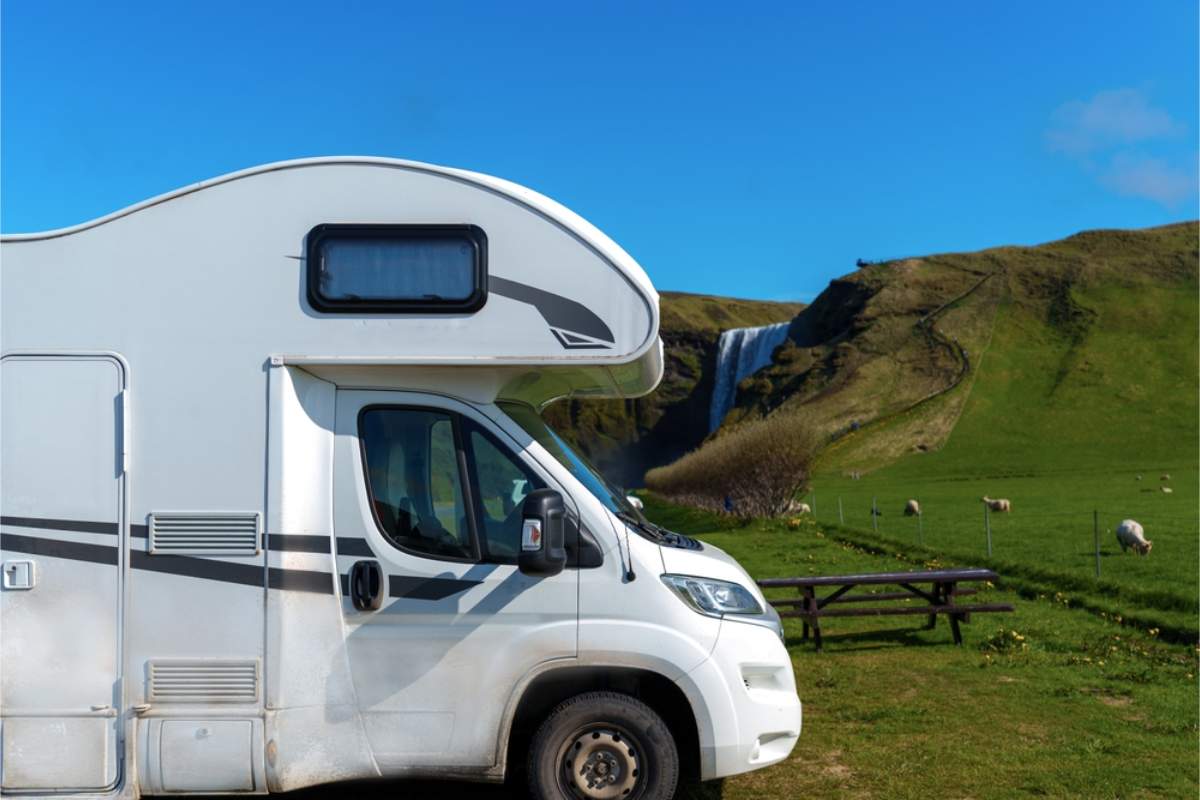
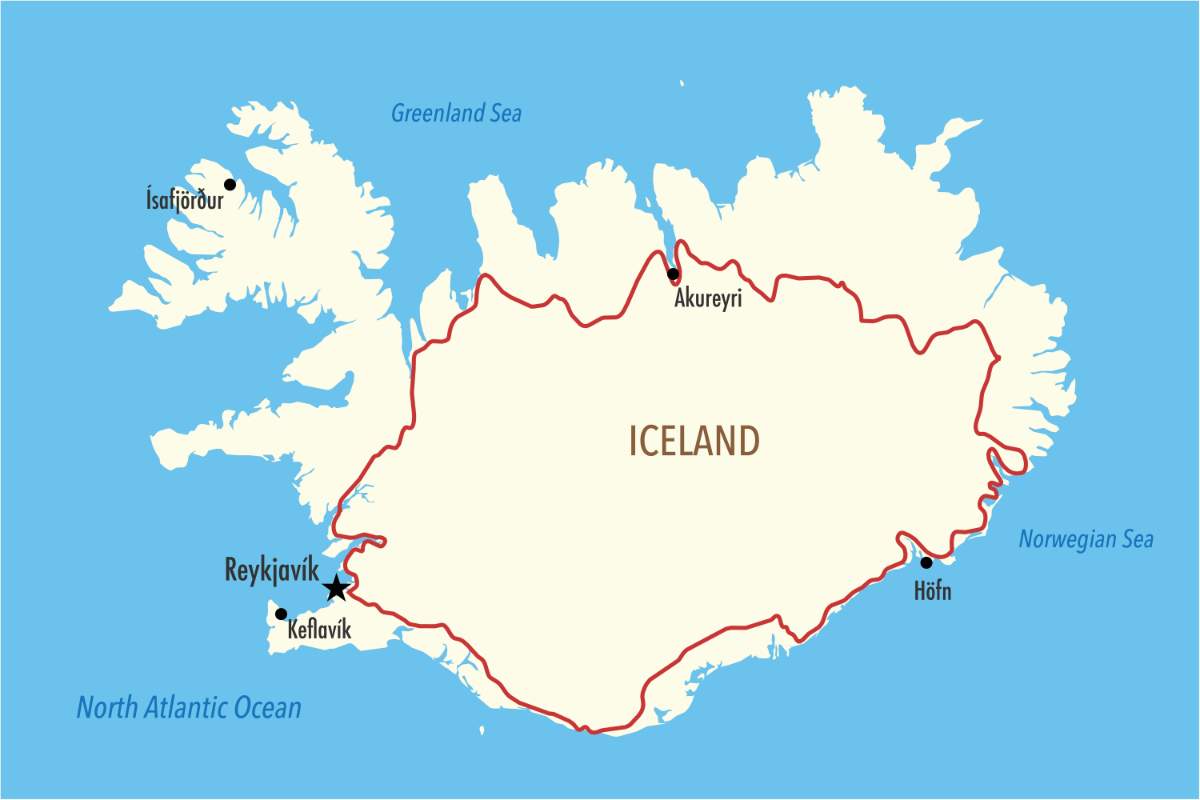
14 days in Iceland gives you more than enough time to take on one of our most famous road trip routes here on the island: the Ring Road. The Ring Road is a loop road that wraps around the island, essentially allowing visitors to get a taste of everything the island has to offer. Therefore, it’s not surprising that an Iceland itinerary for 14 days, exploring the Ring Road route, is considered the ultimate Iceland road trip by many.
And if you decide to road trip the island in a motorhome, even more benefits await you. But if you find yourself at a bit of a loss, you’ve never cruised around in a motorhome before, you don’t know much about the island, and don’t even know where to begin planning a 14-day Iceland itinerary – never fear when the locals are here!
In this article, we will give you all the info you need to plan and prep for the ultimate road trip around the country.
Why a Motorhome is the Best Option for Road-Tripping the Ring Road
There are many benefits to road-tripping the Ring Road in a motorhome, which include the following:
A Motorhome Fits Our Paved Ring Road Like a Glove
Even though there are 4x4 motorhomes, their size makes traversing challenging terrain extremely tricky. The best road to have a motorhome road trip on is a well-maintained paved one, which is precisely what our Ring Road is.
A Motorhome is the Ultimate in Convenience
Ever wondered what it feels like to be a snail and always have your home just a quick dip inside away? Well, with a motorhome you can! You can quite literally make yourself a cup of cocoa while staring at a breathtaking waterfall from your parking spot.
Or, if you’re chilly and you forgot to bring your jacket, you don’t have to derail your plans to go back to your accommodation; your home is just a quick walk away!
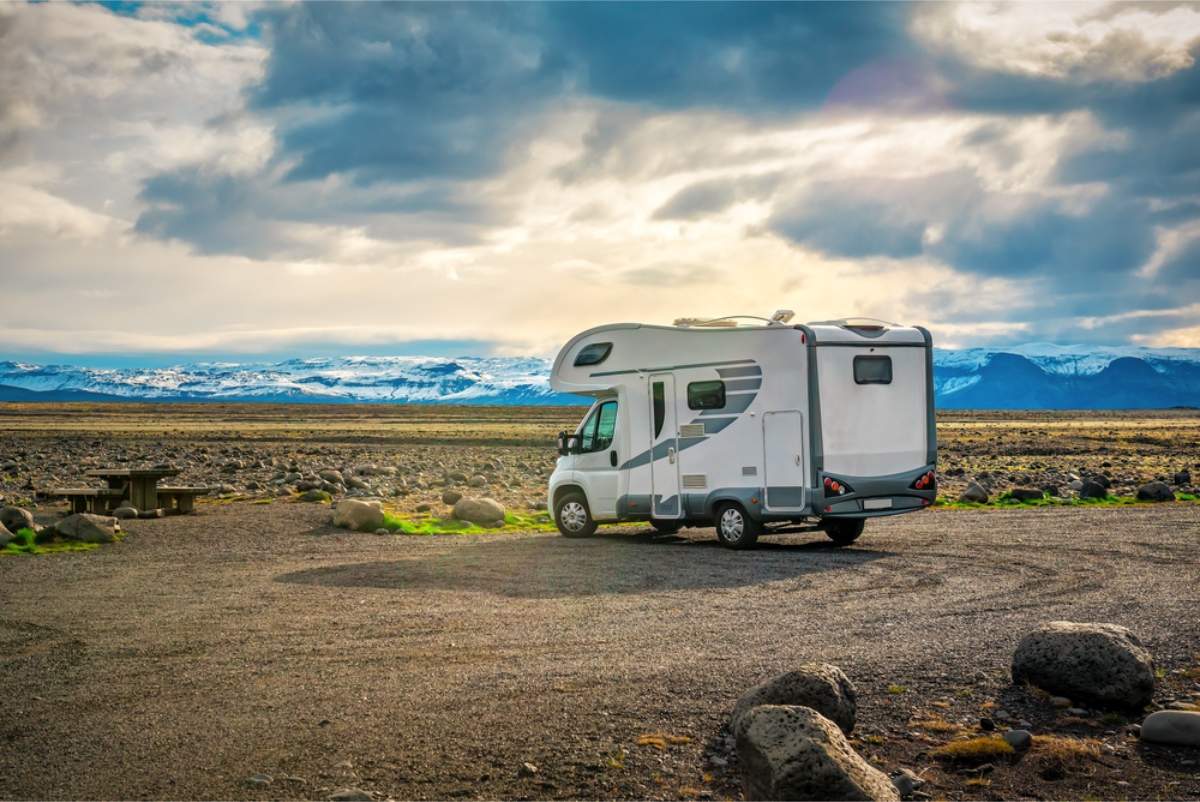
A Motorhome Takes Road Trip Affordability to a Whole New Level
Not only have you taken care of both your transport and accommodation in just one expense, but you also get to take advantage of our super affordable camping sites ($20 per night simply doesn’t compare to the $200 for a hotel). Add on our discount cards, such as the Reykjavik City Card and the Camping Card, and you’ll be saving an absolute ton of money! Just remember that the Camping Card is only valid from May to September.
“Camping” is No Longer a Stress-Inducing Trigger
Survivor, Bear Grylls, Naked and Afraid, old childhood memories… the word “camping” doesn’t always have the most positive connotations. However, a motorhome allows you to leave all those thoughts behind, because you’ll be camping in absolute comfort.
You’ll Extend Camping Season
It goes without saying, but a motorhome provides much better shelter and heat than a traditional tent. Therefore, a motorhome will essentially allow you to extend the camping season, whether it is to camp in your motorhome earlier or later in the season.
A Motorhome Provides the Ultimate Flexibility and Freedom
In a motorhome, you’re not bound to a tour guide’s watch or an official tour schedule; you can go wherever you want, whenever you want. You also don’t need to be placed under any unnecessary pressure due to strict check-in times since you’ll usually find a camping spot at a camping site nearby, and the island is filled with them, making a more spontaneous road trip possible.
Clockwise or Counterclockwise?
This has become a famous question when it comes to road-tripping the Ring Road. But, ultimately, the decision will be based on your personal preferences and other conditions beyond your control, such as road closures and the weather. The only other thing you need to keep in mind is that most prefer the anti-clockwise route, so the flow in that direction tends to be busier than its counterclockwise counterpart.
The biggest difference is that counterclockwise means starting from Reykjavik and hitting the smaller Golden Circle route first, while clockwise means starting with our more remote regions (so you won’t get slapped in the face with a famous attraction every 10 minutes – here it’s more about the scenery).
This is especially true during our busy summer peak season (June to August), which means much more planning and preparation since everything from motorhome rentals to popular activities and camping spots will book up fast.
The Best Time for Your 14-Day Motorhome Road Trip
Once again, the best time for your 14-day motorhome trip will depend on multiple factors, including personal preference, your specific trip itinerary, and your available budget. So, consider the following before you start deciding on dates:
How Do You Deal with the Cold in General?
Try our warmer shoulder months (May and September) or our summer months (June to August). Some simply deal better with the cold than others. So, if you’re already someone schlepping a blanket to the cinema, Iceland’s colder months might not be for you.
How Do You Deal with Crowds?
If you’re someone who generally tries to avoid crowded places, our busy peak season here on the island might not be for you. In this instance, try to avoid traveling between June and August.
What’s Your Budget Looking Like?
It’s not just the crowds that show up during our peak season; it’s also our peak season prices! So, if you’re planning on traveling on a tight budget, we also won’t recommend visiting during our summer peak season or the period between Christmas and New Year.
How Jam-Packed is Your Trip Itinerary?
Daylight hours will play a big part in creating your trip itinerary. There is a good middle ground one can follow, which makes a trip itinerary possible for all seasons here in Iceland. However, if you’d really like to create a pretty ambitiously busy itinerary, you’ll need a lot of daylight hours to do so.
Therefore, a jam-packed itinerary will definitely not work during our wintertime since you’re looking at around 4 hours of daylight each day! Even shoulder months such as October and November might not make sense with just 8 to 5 hours of daylight each day.
Any Seasonal Experiences on Your Iceland Bucket List?
We have plenty of seasonal experiences and sights on the island, which will also dictate the dates of your motorhome road trip. For example, exploring our ice caves can only be done during the colder months (they close during our warmer months). Winter is the best time to spot the Northern Lights, while you can only experience the Midnight Sun if you travel between 20 and 22 June (mid-summer).
Outdoor activities such as kayaking, hiking, etc., are only recommended during our warmer months (May to September), and we have annual road closures during our colder months, of roads such as the F-roads, which could essentially shut off certain parts of the island you’d like to explore.
How Quickly Do You Adjust to Sudden Changes?
Our colder months (anything from October to April) can cause sudden disruption to any trip itinerary. This is because the island experiences much harsher weather, especially in the north, which may impact road conditions or even lead to sudden road closures.
So, how quickly and comfortably can you adjust to these sudden mishaps? If you’re someone who becomes completely anxiety-riddled by the slightest change of plans, we’d recommend sticking to our warmer months that are synonymous with some of our best weather and road conditions.
Are You One for Thorough Research?
The down season and shoulder months are great travel options for a variety of reasons, but they will demand some extra effort on your part. That’s because some campsites will either close or operate at a limited capacity during our colder months.
And other attractions and activities (even public transport such as our ferries) generally operate at different operating hours. Therefore, you’ll need to double-check so you don’t create an itinerary that will merely have you end up at closed doors.
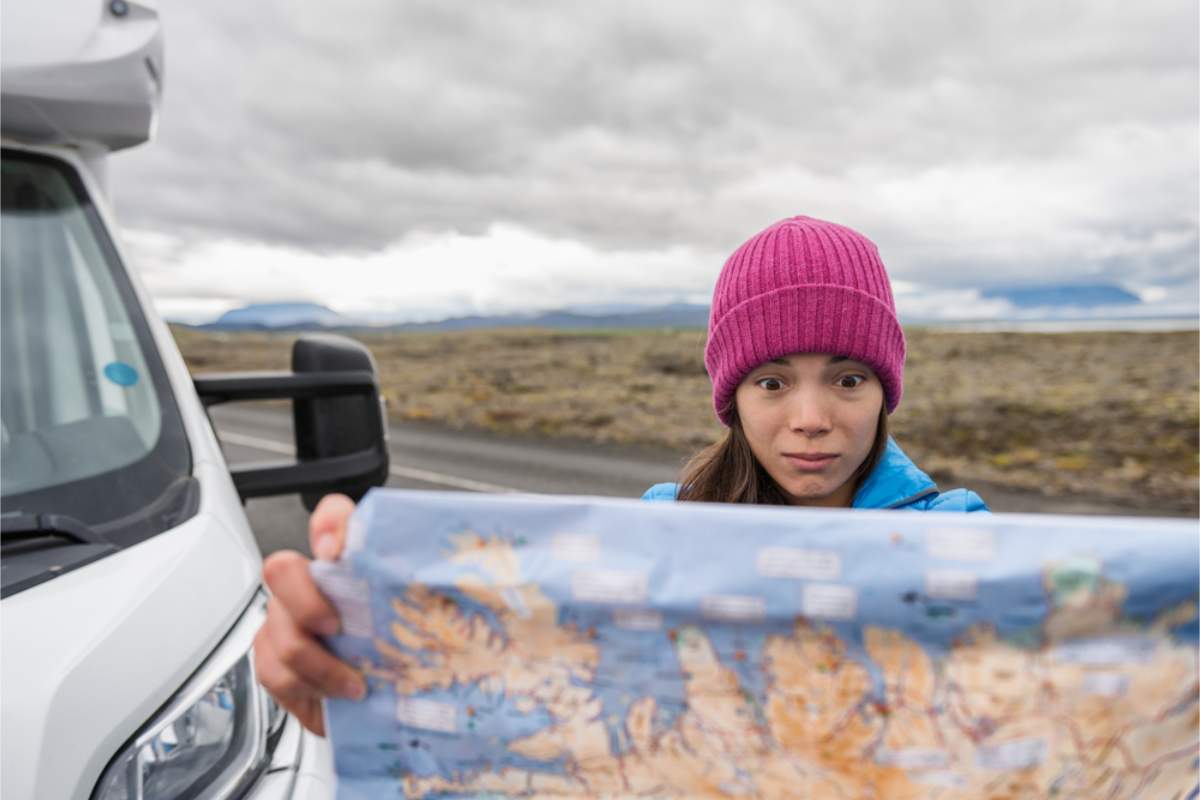
Your 2-Week Iceland Itinerary
Below you’ll find a complete 2-week Iceland itinerary. You can either use the itinerary as is or use it as a starting point and inspiration to customize it into your own. Also, please note that drive times are estimated according to all potential stops on the day. Therefore, if you’re crunched for time or have limited daylight hours, you can amend the drive time by making fewer stops.
Day 1: Arrival and the Capital City
Driving Distance: 52.4 km (32.5 miles)
Driving Time: 51 Minutes
Today, you’ll be arriving on the island and setting your sights firmly on our capital city. Not only will this be your first overnight stay, but it will also mark your first thorough exploration here on the island.
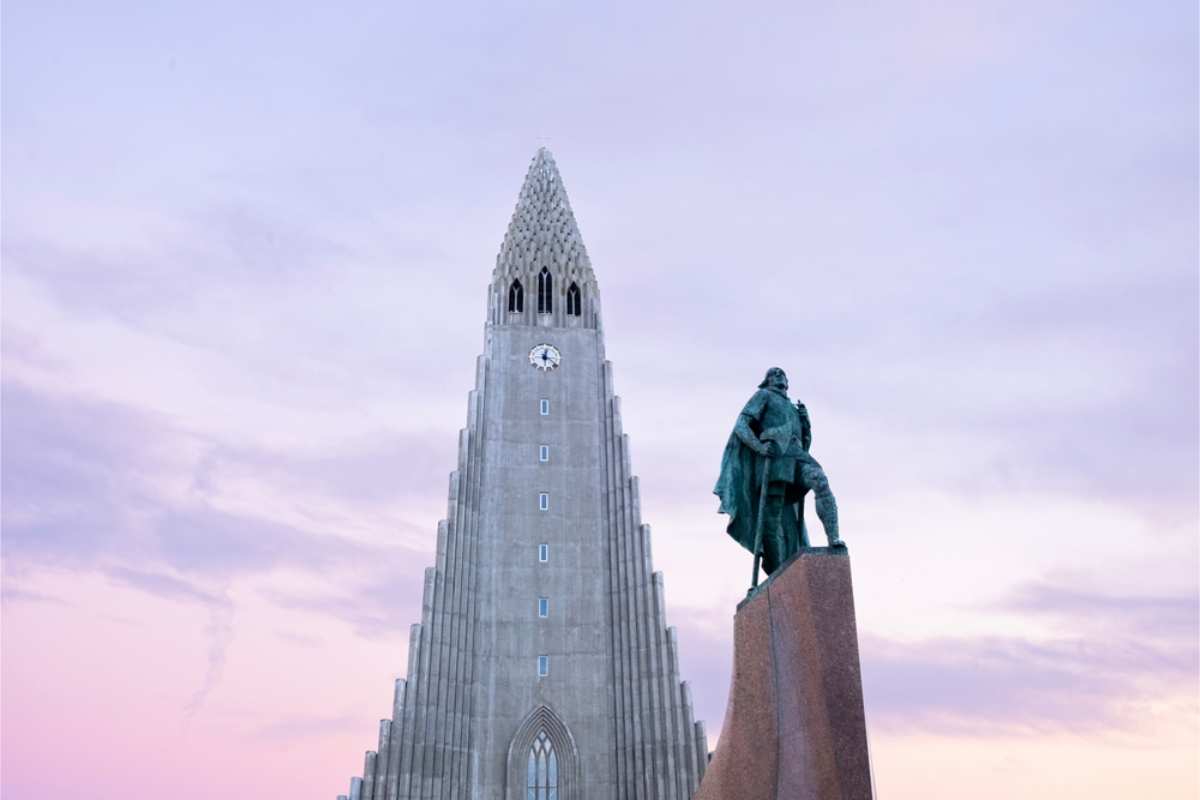
Since it’s quite easy to walk around or use the hop-on-hop-off public transport (check out the Reykjavik Card!), we recommend parking your motorhome at the campsite (also centrally located in the capital) first before venturing out to explore Reykjavik.
A Few Potential Highlights of the Day:
- Hallgrimskirkja.
- Laugavegur Street (our famous shopping street).
- Harpa Concert Hall.
- The Sun Voyager Sculpture at the Old Harbor.
- Perlan.
- The Icelandic Phallalogical Museum (for those with a naughty curiosity).
Overnight at: Reykjavik Eco-Campsite
Day 2: Exploring the Golden Circle
Driving Distance: 186 Km (115.5 miles)
Driving Time: 2 hours, 53 minutes
The Golden Circle is a little loop road of 300 kilometers (186 miles) that’s jam-packed with some of our most famous attractions here on the island.
A Few Potential Highlights of the Day:
- Thingvellir National Park.
- Geysir Geothermal Area.
- Gullfoss Waterfall.
- Kerid Crater.
Overnight at: Camping Selfoss
Day 3: Choices, Choices, Choices
Today, you’ll have three different options of how you’d like to spend the day (irrespective of which you choose, you’ll be spending a second night at your Selfoss campsite):
Option 1: The Icelandic Highlands (4x4 Required)
Driving Distance: 280 km (174 miles)
Driving Time: 5 hours, 32 minutes
The Icelandic Highlands is one of our most remote regions and can only be explored using our F-roads. Legally, you are only allowed to drive on the F-roads with a 4x4. If you opted not to rent a 4x4 motorhome, and you’d still like to explore the Highlands, we’d recommend a Super Jeep tour.
This essentially is a tour in which you cruise the Highlands in what can only be described as a giant monster truck. It’s definitely an experience. Whichever method you decide on, the Highlands promises otherworldly scenery and breathtaking views.
Just keep in mind that the F-roads are only open during the warmer months here in Iceland (only opening from around late May till early September), so this option might not be available to you if you’re visiting any other time of the year.
A Few Potential Highlights of the Day:
- Landmannalaugar Hiking Trails (there are MANY, from easy to extremely challenging and from short hikes to multi-day treks).
- Landmannalaugar Hot Springs.
- Mount Blahnukur (you can either admire it from afar or hike to it).
- Laugahraun Lava Field.
- Frostastadavatn Lake.
Option 2: The Westman Islands
Driving Distance: 162.2 km (101 miles)
Driving Time: 2 hours, 17 minutes
The Westman Islands (also known as Vestmannaejar) are an adventure all on their own. This archipelago of small islands and random rock stacks lies just off Iceland’s south coast. But it’s Heimaey Island that’s the only island that’s actually populated (but with just over 4000 people).
The Westman Islands are steeped in mystery, so it’s well worth a visit if that interests you. And if you’re visiting during our Puffin season (May to August), Heimaey will be a magical experience for you. Take the Landeyjahöfn Ferry to Vestmannaeyjar (you have the option of taking your motorhome on the ferry with you).
A Few Potential Highlights of the Day:
- Whale-watching boat tours.
- Puffin-watching boat tours.
- Hiking to the top of Eldfell Volcano.
- Eldheimar Museum.
- The Beluga Whale Sanctuary.
Option 3: Thjorsardalur Valley
Driving Distance: 310 km (193 miles)
Driving Time: 5 hours, 57 minutes
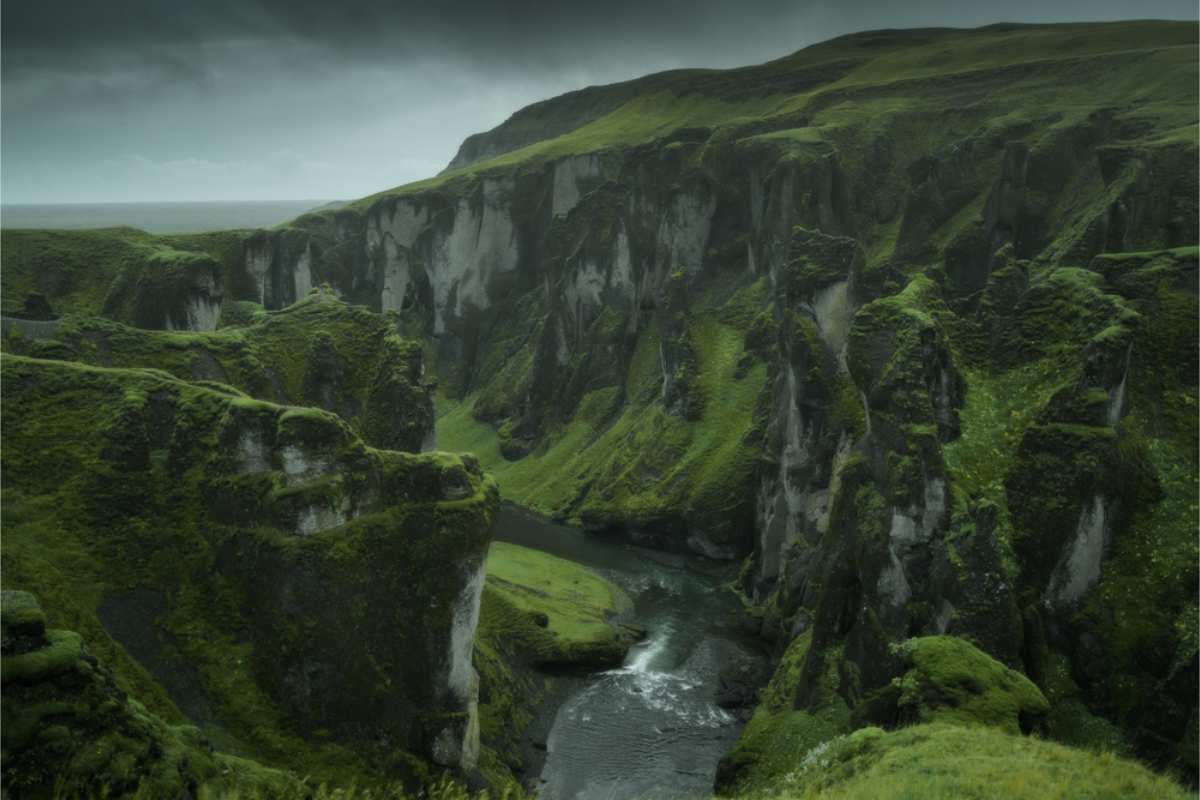
The Thjorsardalur Valley looks like something from a movie like The Hobbit or The Lord of the Rings. It’s an absolutely breathtaking sight of lush, bright green vegetation, and you’ll find it hard to believe what you’re looking at is real and not the CGI creation of a Hollywood movie studio.
Needless to say, the valley is famous for all its natural sights, especially its waterfalls and spectacular landscapes. If you’re done exploring the valley, we highly recommend a final stop at Hekla.
A Few Potential Highlights of the Day:
- Haifoss and Granni Waterfalls (literally next to each other).
- Hike to Bruarfoss Waterfall (short and easy hike at 6.5 kilometers/4 miles back and forth).
- Pjodveldisbærinn Living Museum.
- Hekla Volcano.
Overnight at: Camping Selfoss
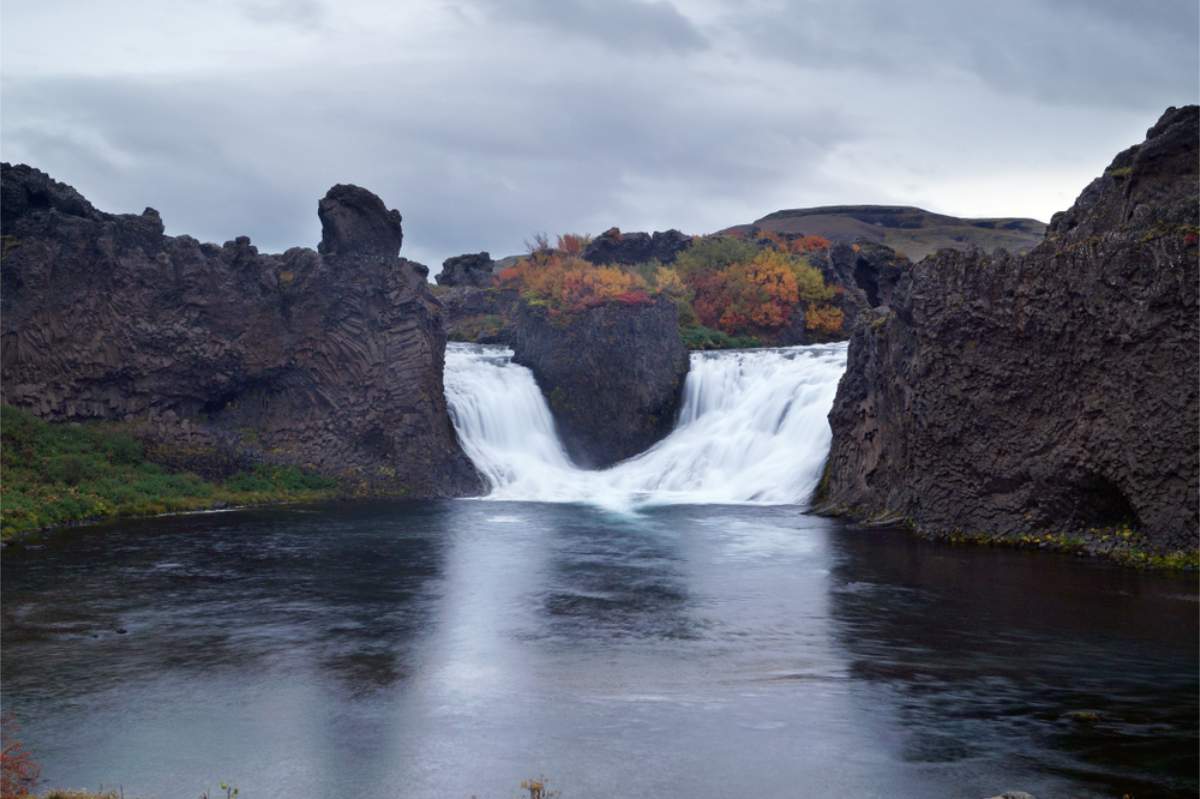
Day 4: Beach Days and Breathtaking Waterfalls
Driving Distance: 232 km (144 miles)
Driving Time: 3 hours, 20 minutes
Today you’ll be cruising along Iceland’s south coast, a route where waterfalls and our infamous black sand beaches abound.
A Few Potential Highlights of the Day:
- Seljalandsfoss Waterfall (also known as “the waterfall you can walk behind”).
- Skogafoss Waterfall.
- Reynisfjara Black Sand Beach.
- Dyrholaey Rock Formation.
- The Village of Vik.
- Fjadrargljufur Canyon.
Overnight at: Kirkjubær Camping Ground
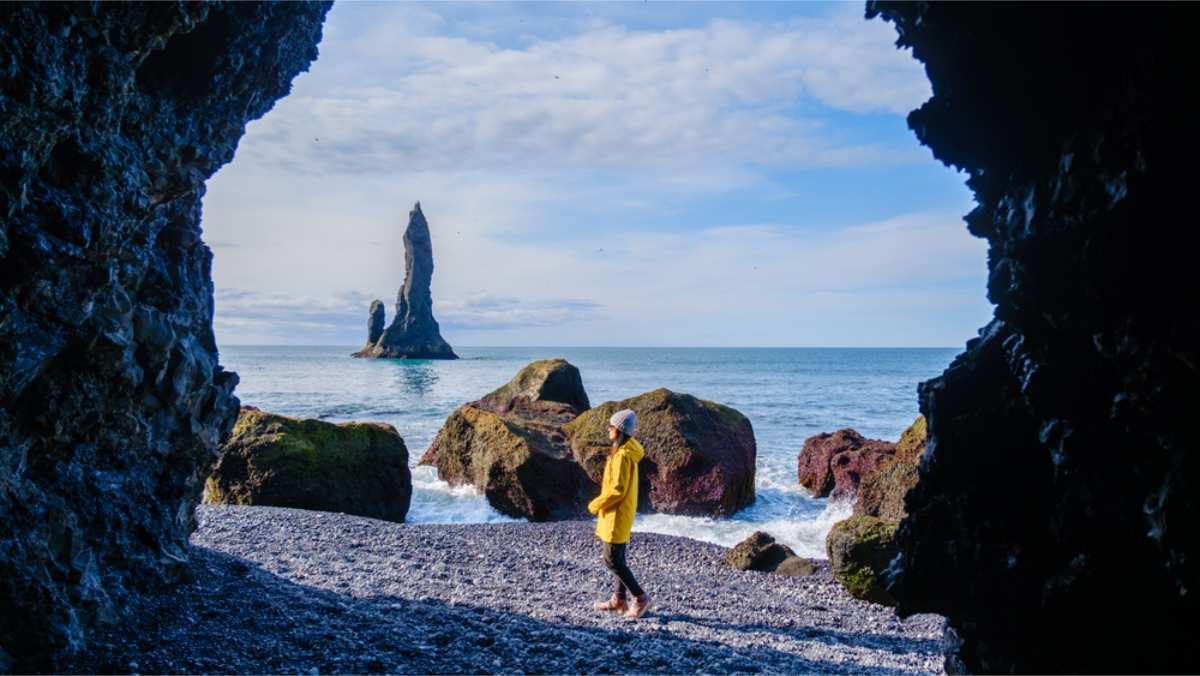
Day 5: Glaciers and Icy Lagoons
Driving Distance: 206 km (128 miles)
Driving Time: 2 hours, 48 minutes
Today, you’re in for quite a few frosty adventures as you explore our greater Vatnajökull National Park, the largest national park in Iceland after having absorbed a number of our smaller national parks in recent years.
A Few Potential Highlights of the Day:
- Go on a Vatnajökull Glacier hike. As the largest glacier in Europe, this promises to be quite the experience. But please note that you can only do this activity via a guided tour due to safety concerns. You’ll also be provided with all the necessary accessories and gear by the tour operator.
- Explore the Vatnajökull ice caves (this is also a guided tour activity and is only available during our colder months).
- Svartifoss Waterfall.
- Jökulsarlon Glacier Lagoon.
- Diamond Beach.
Overnight at: Höfn Camping Ground
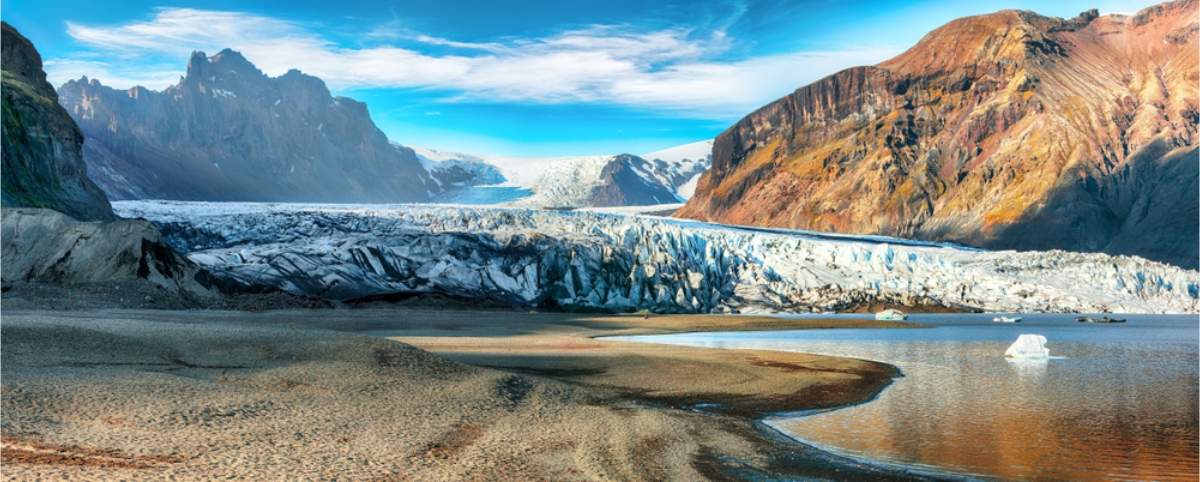
Day 6: Exploring the East Fjords
Driving Distance: 229 km (142 miles)
Driving Time: 3 hours, 32 minutes
Today you’ll be cruising along the beautiful fjords of East Iceland, taking in the breathtaking views and making a few stops along the way.
A Few Potential Highlights of the Day:
- Egilsstadir (the so-called capital city of the east).
- Lagfljot River (here you’ll (potentially) find our version of the Loch Ness Monster).
- Hallormsstadaskogur Forest.
Overnight at: Camp Egilsstadir
Day 7: Your East Fjords Adventures Continue
Driving Distance: 260 km (161.5 miles)
Driving Time: 3 hours, 39 minutes
Today you’ll continue your East Fjord adventures and explore your immediate surroundings before returning to Camp Egilsstadir for a second night.
A Few Potential Highlights of the Day:
- The Village of Seydisfjördur.
- The Village of Bakkagerdi.
- Hengifoss Waterfall.
Overnight at: Camp Egilsstadir
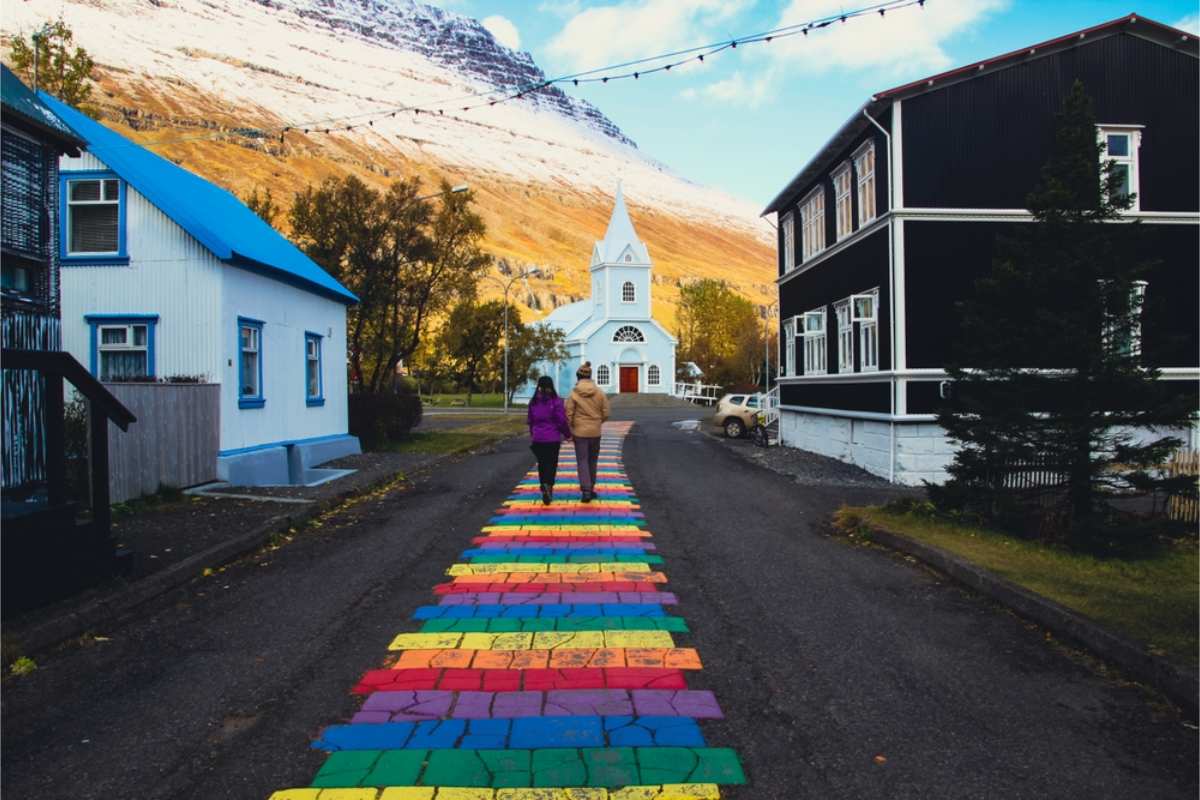
Day 8: Exploring the North
Driving Distance: 300 km (186 miles)
Driving Time: 4 hours, 22 minutes
It’s time to explore the country’s northern regions. This region holds some of our most famous sights and activities. Just remember that our northern regions tend to be colder and experience much harsher weather conditions than the rest of the country.
Therefore, be prepared for more challenging road conditions and sudden closures (whether roads or attractions) when you visit during the colder months of the year.
A Few Potential Highlights of the Day:
- Dettifoss Waterfall.
- Lake Myvatn.
- Namaskard Geothermal Area.
- Dimmoborgir Lava Formations.
- Skutustadagigar Pseudo-craters.
Overnight at: Camping Myvatn
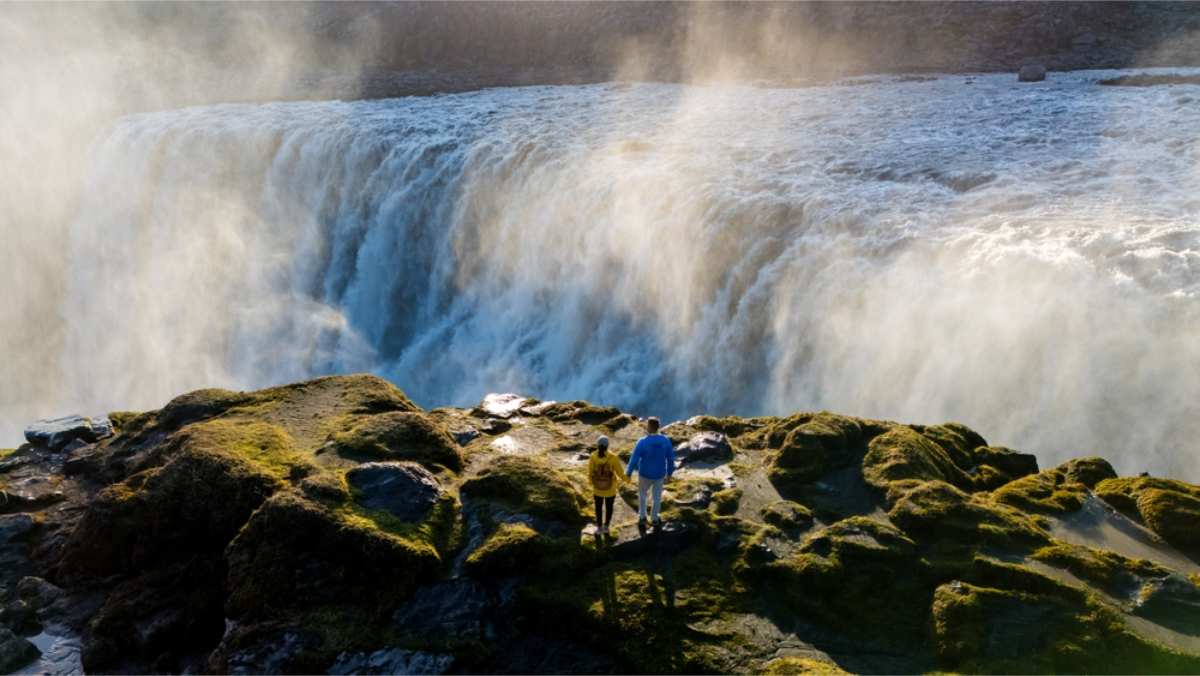
Day 9: Exploring Lake Myvatn’s Surroundings
Driving Distance: 198 km (123 miles)
Driving Time: 2 hours, 36 minutes
Tonight you’ll be spending your second night at Camping Myvatn, so you’ll use today to explore the surrounding area.
A Few Potential Highlights of the Day:
- Husavik (the so-called whale capital of Iceland).
- Jökulsargljufur Caynon.
- Asbyrgi Canyon.
Overnight at: Camping Myvatn
Day 10: Akureyri and Tröllaskagi
Driving Distance: 282 km (175 miles)
Driving Time: 4 hours, 14 minutes
Today, you’ll finish your exploration of our northern regions and move on to Tröllaskagi (aka “The Peninsula of Trolls”).
A Few Potential Highlights of the Day:
- Godafoss Waterfall.
- Akureyri (referred to as the capital of North Iceland).
- The town of Siglufjördur.
- Hofsos Swimming Pool.
- Go horseback riding on our famous Icelandic Horses in the Skagafjördur region.
Overnight at: Lambeyri Campground
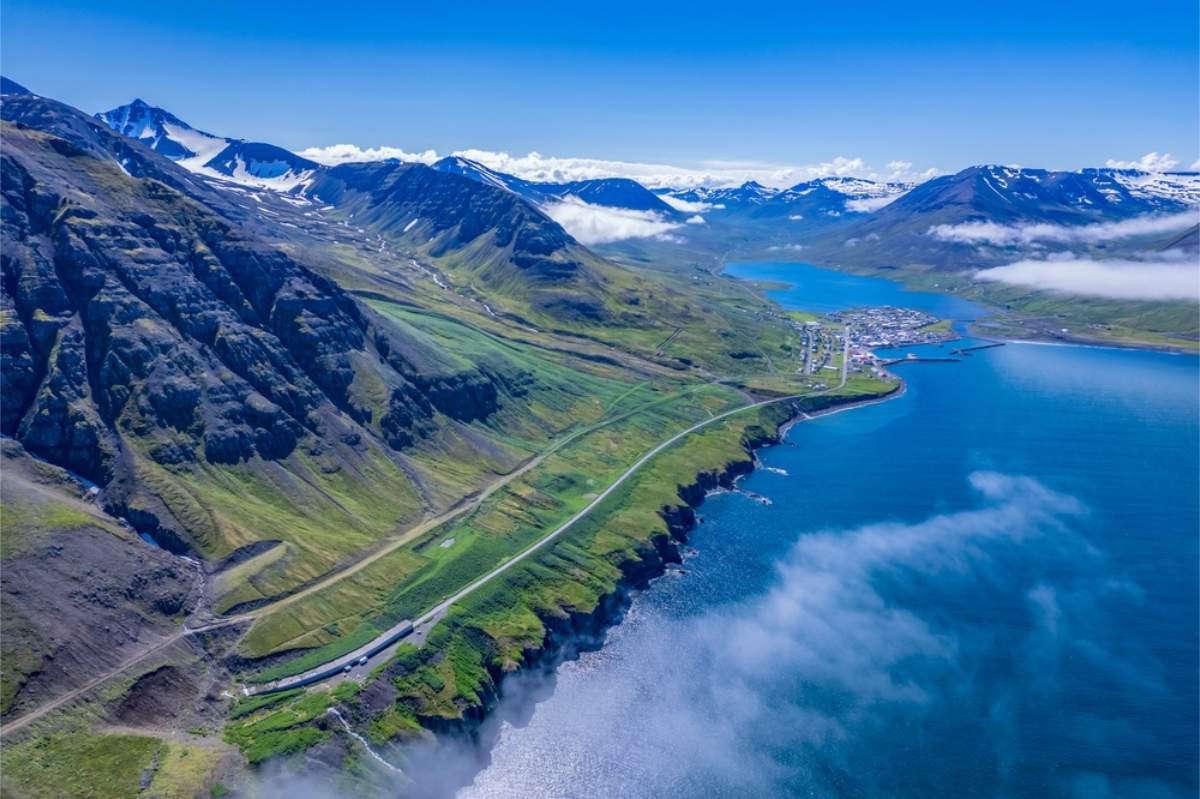
Day 11: Heading Out Toward the Snæfellsnes Peninsula
Driving Distance: 352 km (219 miles)
Driving Time: 4 hours, 44 minutes
Today is all about the journey, rather than the destination. As you head out toward the Snæfellsnes Peninsula, you’ll find all sorts of interesting stops along the way.
A Few Potential Highlights of the Day:
- The Vatnshalsholar Hills (also referred to as the Vatnshalsholar Mounds).
- Pingeyrakirkja.
- Kolugljufur Waterfall.
- Eiriksstadir Museum (if you like Vikings, this is a must).
- Gudrunarlaug Hot Spring.
- The Village of Stykkisholmur.
Overnight at:Stykkisholmur Campsite
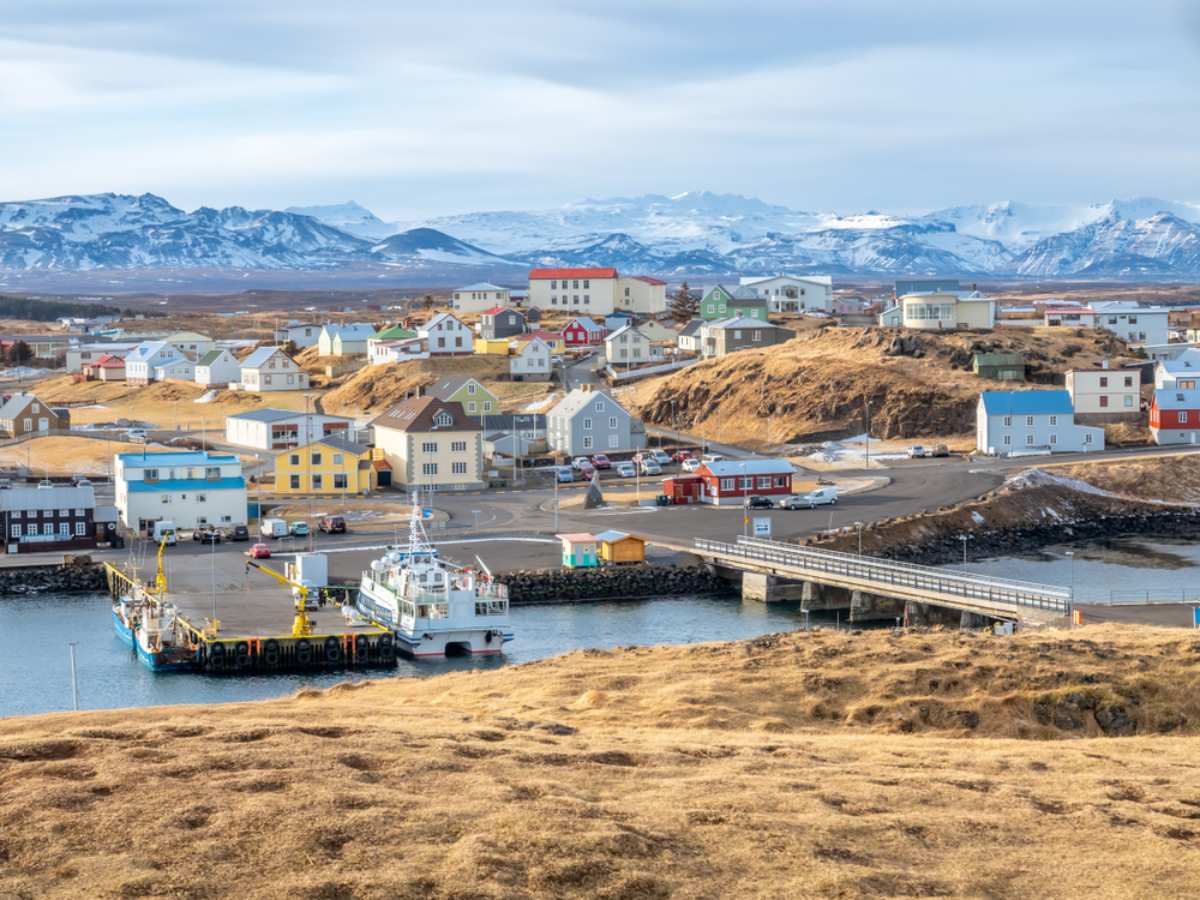
Day 12: Exploring the Snæfellsnes Peninsula
Driving Distance: 226 km (140 miles)
Driving Time: 3 hours, 51 minutes
Tonight will be your second night at Stykkisholmur as you head out to explore Snæfellsnes Peninsula, also known as mini-Iceland, since the region gives visitors a taste of almost everything one can find here on the island.
A Few Potential Highlights of the Day:
- Kirkjufell Mountain.
- Glacier hiking on the Snæfellsjökull Glacier.
- Saxholl Crater.
- Dritvik Cove.
- Djupalonssandur Black Sand Beach.
- Londrangar Cliffs (a favorite amongst birders and a hot spot during Puffin season).
- The Village of Hellnar.
- The Village of Arnarstapi.
Overnight at: Stykkisholmur Campsite
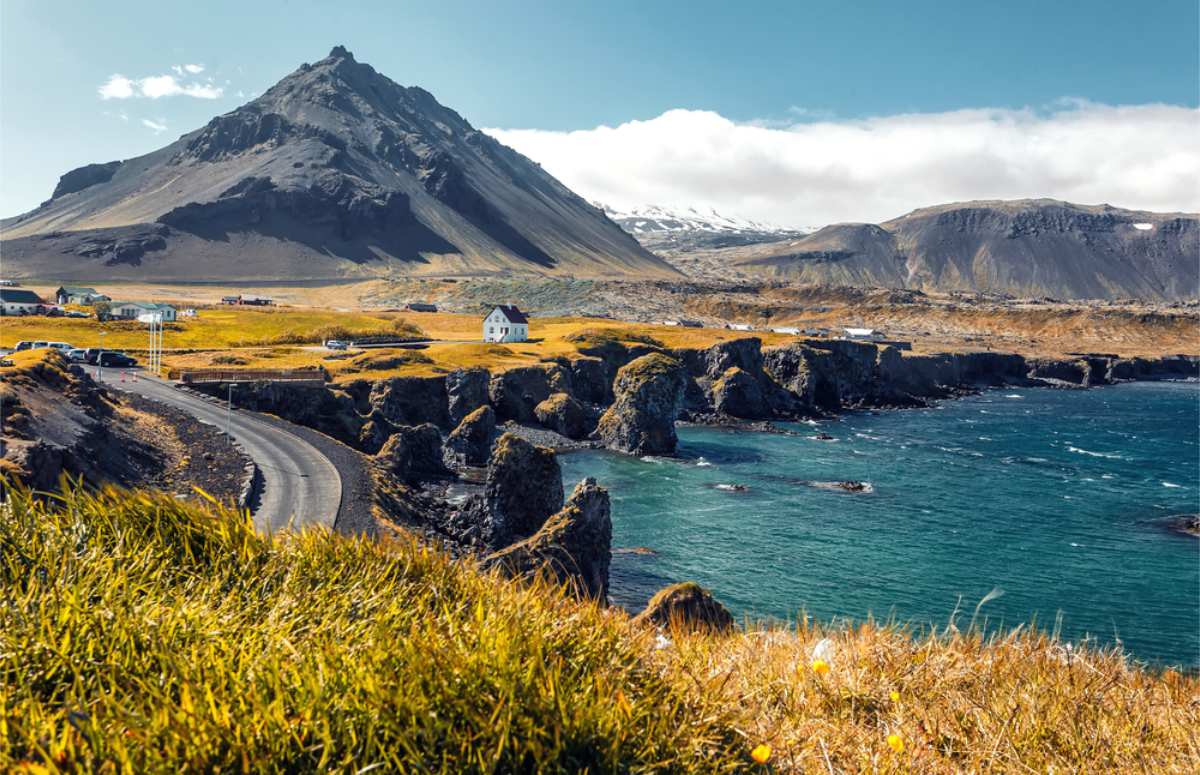
Day 13: Heading Back to Reykjavik
Driving Distance: 313 km (194 miles)
Driving Time: 4 hours, 11 minutes
Today will be the last leg of your epic Iceland road trip. As you cruise back to the capital city in your motorhome, you’ll make a few final stops along the way.
A Few Potential Highlights of the Day:
- Grabrok Crater.
- Deildartunguhver Hot Spring (but VERY important: these are not the type of hot springs you take a dip in!).
- Hraunfossar Waterfall.
- Barnafoss Waterfall.
- Snorrastofa Museum.
- The Settlement Center.
Overnight at: Reykjavik Eco-Campsite
Day 14: Goodbye, Iceland!
Driving Distance: 52.4 km (32.5 miles)
Driving Time: 45 minutes
Today you’ll be leaving our lovely island. Depending on the time of your flight, you can squeeze in some last-minute shopping in Reykjavik or tick off any of the highlights you may have missed during Day 1. Just ensure you head to Keflavik Airport in time, so you have more than enough time to drop off the motorhome and check in for your flight.
Ready for Your Iceland Itinerary of 14 Days?
Whether you end up using our 2-week Iceland itinerary or use it to customize your own, spending 2 weeks cruising the island in a motorhome promises to be absolutely magical.
14 Days gives you enough time to explore Iceland thoroughly and is ample time to road trip the Ring Road route. Just remember to book any attractions and activities well in advance if you’re planning on visiting during our summer peak season (this also counts for renting a motorhome in Iceland!) because things tend to book up fast.
If you have any more questions or would like to hit the road as soon as possible, don’t hesitate to reach out to us here at Motorhome Iceland.