Most people should not drive uninsured in Iceland. That is not a rental company's fear tactics. It is just reality here. Wind damage is common, gravel hits happen even on paved roads, and one bad sandstorm on the South Coast can actually leave you staring at a repair bill that will make your eyes tear up. Iceland is rough on vehicles…that’s a fact.
The confusing part is campervan insurance in Iceland itself. Every company names packages differently; credit card coverage gives people false confidence, and most of you do not fully understand what is not covered until something goes wrong.
This practical guide explains what each insurance actually does, who genuinely needs it, and where you can probably save money on your campervan rental in Iceland.
Insurance Types Explained
Below is what each insurance actually covers, where the gaps are, and how the pricing works here at Motorhome Iceland. Smaller campers cost less to insure than larger motorhomes, so the examples below use starting prices rather than fixed rates. You can see the final price during booking, depending on the vehicle you choose and the level of insurance packages you add.
CDW (Collision Damage Waiver)
CDW is the standard insurance included with every rental at Motorhome Iceland. Think of it as the legal baseline. It covers collision damage to the body of the vehicle, which sounds reassuring at first until people realize one important detail: covered does not mean free.
There is still a deductible, sometimes called an excess by our British readers. In simple terms, that is the amount you may still have to pay yourself before the insurance fully kicks in. Under the Basic plan, the deductible can reach 450,000 ISK (USD 3,585). Suddenly, that ‘free insurance’ feels…basic.
This is also where folks get caught out. A surprising number of people assume CDW means full protection. It does not. Typical exclusions include:
- Tires
- Undercarriage damage
- River crossing damage
- Certain wind-related incidents, including doors blown open by strong gusts
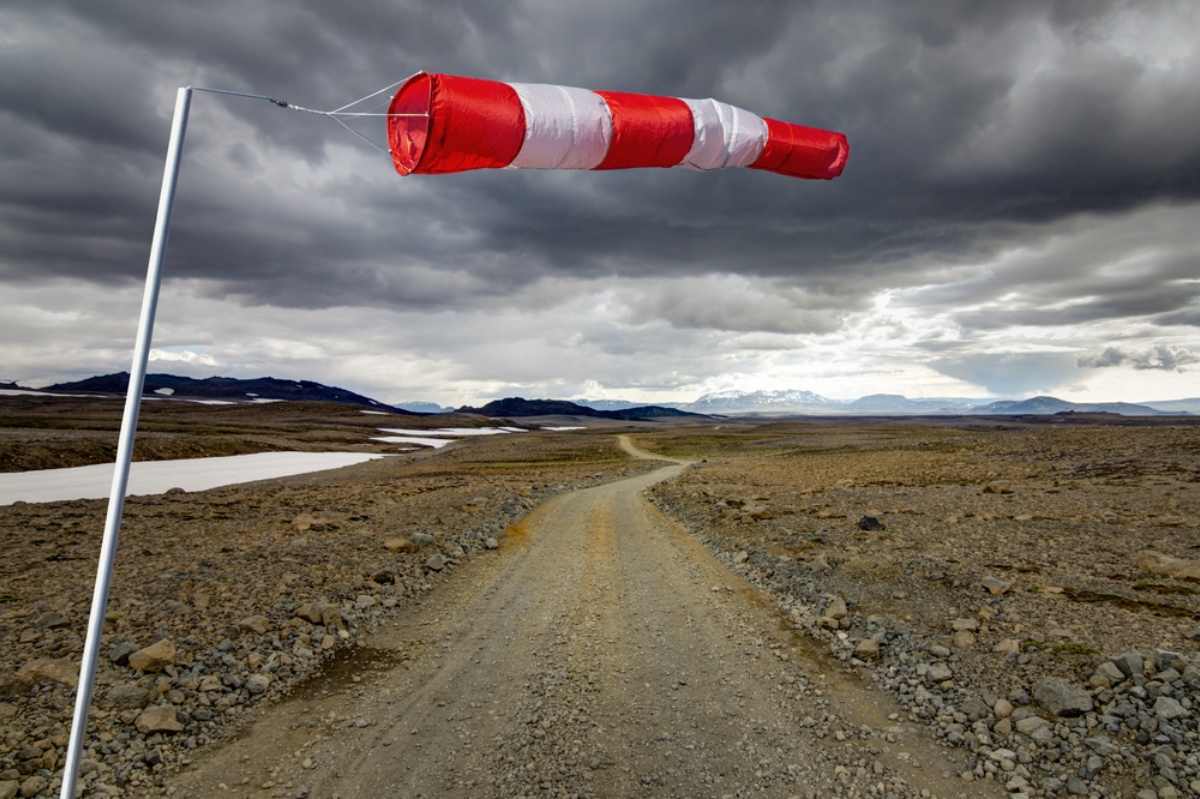
And yes, that last one happens in Iceland more often than rental companies probably wish it did. CDW is technically enough for cautious summer trips around the Ring Road. Plenty of travelers use only the included coverage and never have a problem.
But once you add winter roads, gravel sections, strong crosswinds, or simply lack experience driving larger vehicles, the financial risk climbs quickly. The Basic package itself is free, but it is very much the bare minimum.
SCDW (Super Collision Damage Waiver)
If you want the shortest answer possible, this is probably the insurance most travelers should take. SCDW reduces your deductible significantly compared to standard CDW. Instead of staring at a possible 450,000 ISK excess after an accident, your financial liability can drop to around 50,000 ISK (USD 398) in certain situations, depending on the coverage terms and vehicle category.
That is a very different conversation once real money enters the picture. This is why experienced Iceland travelers tend to land somewhere around SCDW. Not because Iceland is wildly dangerous to drive in. It isn’t. The roads are generally good. The problem is that Icelandic conditions are unpredictable in annoying little ways that slowly wear down your confidence over a long trip.
Strong wind catches a door in a parking lot. Another vehicle fires gravel into the windshield on a paved road. You reverse slightly too far while parking at a crowded campsite. None of these is fatal. But they can and do happen.
At Motorhome Iceland, we included the SCDW in our Premium and Platinum bundles. Premium pricing starts from 4,300 ISK/day (USD 35) for smaller campervans and from 4,900 ISK/day for motorhomes, although exact pricing varies depending on the vehicle.
People coming during winter should strongly consider it. Honestly, anyone driving long distances around the island probably should.
Gravel Protection
Gravel damage is one of the most common campervan insurance claims in Iceland. Usually, it is not serious accidents either. It is either cracked windshields, chipped paint, or damaged headlights caused by loose stones on the road.
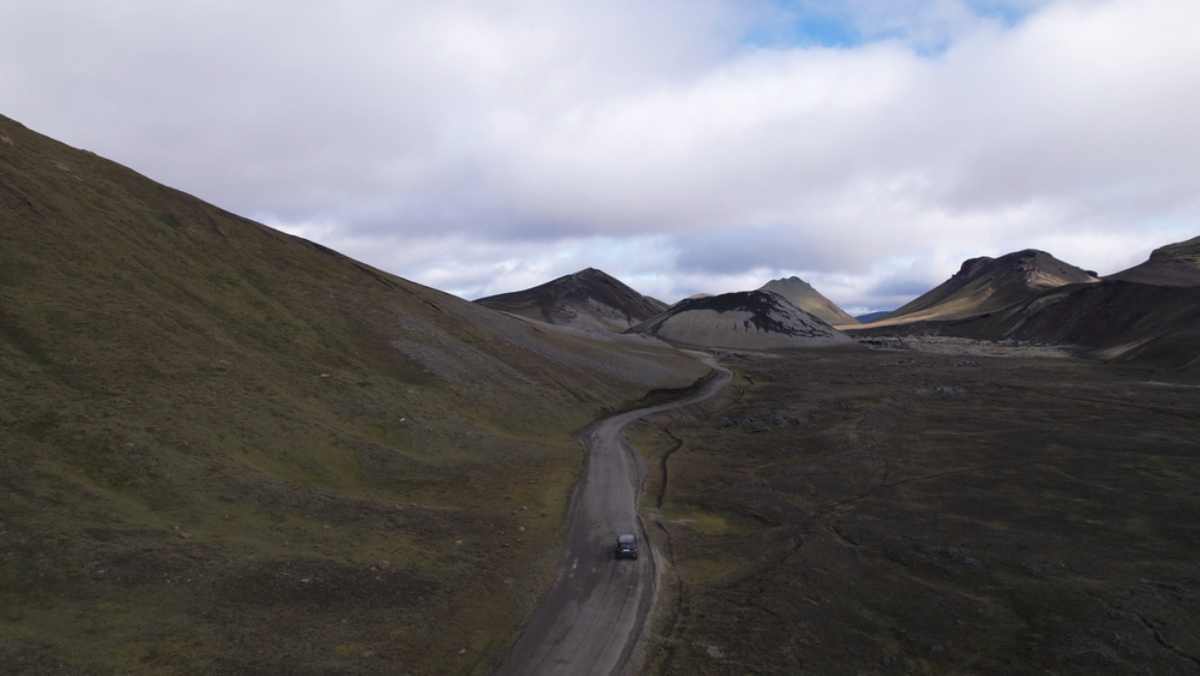
People assume this only matters on Highland routes or remote F-roads. That is not really true. Gravel sections appear all over Iceland, especially in the Westfjords, Eastfjords, construction zones, roadside pull-offs, and smaller rural routes. Even paved roads can become a problem when passing vehicles throw loose stones at speed.
Gravel Protection usually covers:
- Windshield damage
- Headlight damage
- Paint chips caused by gravel impact
The most common causes are:
- Speeding on gravel roads
- Loose road surfaces
- Vehicles driving too close together
If you are planning a full Ring Road trip, driving through the Westfjords, or spending time on Iceland’s gravel roads, this is one of the more practical protections to have. GP is included in both the Premium and Platinum insurance bundles at Motorhome Iceland, with no separate standalone price listed.
Sand and Ash Protection
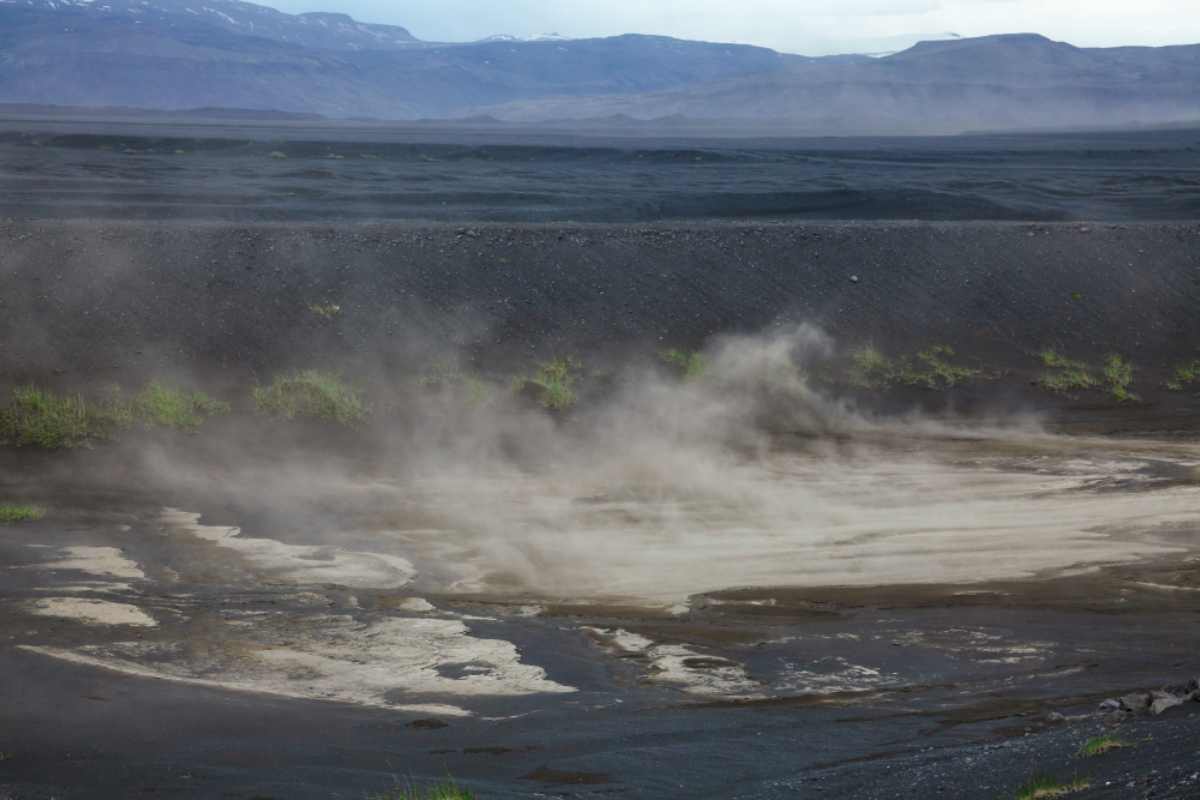
Sand and ash damage is one of those Iceland-specific problems that sounds exaggerated until you see the weather turn along the South Coast. Strong winds can lift volcanic ash and fine black sand off the ground and push it directly into a vehicle’s paintwork and windows. The result is not usually catastrophic damage, but it can be extremely expensive to repair.
This matters mostly in:
- The South Coast
- Black sand regions
- Exposed coastal areas during windy conditions
SAAP mainly protects against surface damage caused by windblown sand and ash. It is not general collision coverage, and it does not replace the need for CDW or SCDW. Think of it as protection for very specific Icelandic conditions.
Not everyone needs it. Summer visitors staying mostly around Reykjavík or driving shorter inland routes may never encounter conditions where sand and ash become a serious concern. But if your itinerary includes Vík, long South Coast drives, or travel during stormier months, it becomes much more relevant very quickly.
SAAP is included in both the Premium and Platinum insurance bundles at Motorhome Iceland. Platinum pricing starts from 5,950 ISK/day for smaller campervans and from 6,900 ISK/day for motorhomes, depending on the vehicle category. There is already a full guide covering sand & ash protection in more detail, including where these storms are most common and how travelers can avoid the worst conditions.
Theft Protection
Theft Protection is probably the least important part of campervan insurance in Iceland, and most experienced travelers know it. Iceland consistently ranks as one of the safest countries in the world, with extremely low violent crime and vehicle theft rates compared to most tourist destinations.
According to the 2025 Iceland Country Security Report published by the U.S. Department of State’s Overseas Security Advisory Council (OSAC), crime levels in Reykjavík remain low overall, and Iceland continues to have lower crime rates than most developed countries.
That does not mean theft never happens. Petty crime and vehicle-related incidents do exist, particularly in Reykjavík and other busier tourist areas. But realistically, most campervan travelers are far more likely to deal with gravel damage or weather-related issues than an actual theft claim.
Theft Protection mainly becomes relevant if:
- Valuables are left visible inside the campervan
- You are parking overnight in urban areas
- You are traveling with an expensive camera or outdoor gear
Many don’t even bother about this. Still, because Theft Protection is already included in Premium and Platinum bundles at Motorhome Iceland, most people end up having it anyway without specifically choosing it.
Insurance Package Pricing Comparison
Insurance pricing in Iceland depends heavily on the vehicle you rent. A small campervan simply costs less to insure than a larger motorhome, especially once wind exposure, repair costs, and overall vehicle size enter the equation. So rather than pretending there is one universal price, we used starting rates for transparency.
The figures below are based on Motorhome Iceland’s lowest-priced campervan and motorhome categories. Final pricing updates during booking depending on the specific model and the level of coverage you choose.
Also worth noting: Premium and Platinum include many of the same protections. The real difference is that Platinum reduces the deductible to 0 ISK on covered damage claims.
|
Vehicle Type |
Package |
From Price |
|
Campervan (Fiat Doblo Maxi Camper) |
Premium |
4,300 ISK/day |
|
Campervan (Fiat Doblo Maxi Camper) |
Platinum |
5,950 ISK/day |
|
Motorhome (Fiat Benivan B160) |
Premium |
4,900 ISK/day |
|
Motorhome (Fiat Benivan B160) |
Platinum |
6,900 ISK/day |
Which Insurance Do You Really Need?
This is the part people actually care about after reading all the insurance terms. Not the theory. The decision.
Here’s the short version:
- Summer Ring Road only? CDW is usually enough
- Winter trip? SCDW is strongly recommended
- Driving F-roads? Add Gravel Protection
- South Coast during windy months? Consider Sand & Ash Protection
- Want minimum stress? Premium or Platinum package
A lot of this comes down to personality, honestly. Some are comfortable taking more risks to save money. Others would rather pay up front and not think about deductibles again for the rest of the trip. Neither approach is wrong.
What catches people off guard in Iceland is the repair cost. Even small damage can become expensive surprisingly fast, especially on larger campers and motorhomes. Add weather into the mix, and things get unpredictable. Tourists consistently underestimate the wind here. Every year, people damage doors because they open them casually during strong gusts.
For a budget traveler doing a careful summer Ring Road trip, the included CDW may honestly be enough. A cautious family traveling long distances will probably sleep better with SCDW and Gravel Protection. Highlands itineraries should absolutely include Gravel Protection, especially if you are still choosing your campervan and considering a 4x4 route. Winter road trips are where higher coverage starts making far more sense.
Personally? We would probably take SCDW and Gravel Protection at a minimum.
What Is Already Included in Your Rental
Every campervan rental at Motorhome Iceland already includes basic CDW coverage as part of the legally required foundation for driving the vehicle. That is the standard starting point for campervan insurance in Iceland, not an optional extra. The important distinction is that included coverage and full coverage are not the same thing.
Basic insurance helps cover collision damage to the vehicle body, but there is still financial liability through the deductible, and optional upgrades exist to reduce that risk further. That is where packages like Premium and Platinum enter the picture.
This is also where clients sometimes get confused during booking. Seeing ‘insurance included’ creates the impression that everything is covered automatically. Usually, it is not. The safest approach is simple. Always check the deductible carefully and understand exactly what level of financial responsibility still sits with you if damage occurs.

Does Your Credit Card Cover Campervan Insurance?
Yes, but usually only in a limited way. A lot of credit cards advertise rental car insurance, but most of those benefits were designed for standard passenger vehicles, not campervans or motorhomes driving around Iceland in heavy rain and gravel. That distinction matters more than people realise.
Most cards that offer rental coverage focus mainly on collision and theft protection. Even then, the coverage is often secondary, meaning you still claim through your own insurer first before requesting reimbursement from the card provider. Some premium cards offer primary coverage, but campervans, RVs, and converted vehicles are frequently excluded entirely under the fine print.
And this is where Iceland becomes a problem. The most common types of vehicle damage here are often things credit cards do not cover well at all:
- Gravel damage
- Sand and ash damage
- Wind-related damage
- Underbody damage
- River crossing incidents
Even when a card technically covers rental vehicles, Iceland-specific risks often fall outside normal policy terms. Personal belongings inside the campervan are also commonly excluded.
Treat your credit card coverage as a possible backup layer, not as your main campervan insurance policy in Iceland. If your card provider specifically confirms that campervans are covered in writing, great. But most likely it won’t.
How to Avoid Damage in the First Place
A surprising number of campervan insurance claims in Iceland are avoidable, believe it or not. Slow down on gravel roads, especially when another vehicle approaches. Keep more distance than you think you need because loose stones travel fast.
Never fling open camper doors during strong winds. Icelandic gusts are stronger than people expect, and rental companies see damaged doors constantly. Check Vedur.is before driving exposed coastal routes, avoid river crossings unless your vehicle is specifically allowed there.
Park facing into the wind when possible, and do not keep driving just because the summer daylight tricks you into feeling less tired than you actually are.
What Happens If Something Goes Wrong
Do not panic. Minor vehicle damage is extremely common in Iceland, and we deal with it every single day. Take clear photos immediately, document the location, and contact us as soon as possible. Do not try to hide damage or hope nobody notices it later.
That usually creates a more frustrating situation for everyone involved. If roadside assistance is needed, we will guide you through the next steps, although severe weather and road closures can sometimes delay response times outside larger towns.
Insurance claims are also much easier when everything is documented properly from the start.
Frequently Asked Questions
Is full insurance worth it in Iceland?
Yes. Repairs in Iceland are expensive, weather changes fast, and even small damage can cost far more than people expect.
Does insurance cover wind damage to doors?
Sometimes, sometimes not. It depends on the policy and how the damage happened. Icelandic wind is strong enough to rip doors open violently, which is why rental companies mention this so often.
Can I use my own car insurance from home?
Usually not for campervans in Iceland. Many policies only apply to standard passenger vehicles and often exclude motorhomes, converted vans, or Iceland-specific damage risks.
Do I need Gravel Protection if I stay on paved roads?
Honestly, it still helps. Gravel damage happens on paved roads more often than people realize because loose stones get thrown up by passing traffic and construction sections.
Is Sand and Ash Protection necessary in summer?
Not always. If you are staying mostly around Reykjavík or avoiding exposed South Coast routes, you may never need it. Windy conditions change that calculation quickly.
What damage are tourists most commonly charged for?
Wind-damaged doors, cracked windshields, paint chips, parking scrapes, and underbody damage are all very common.
Does insurance cover river crossings?
No. River crossing damage is one of the most commonly excluded situations in Iceland rental agreements.
Can I add insurance after booking?
Yes, in most cases, you can upgrade your coverage before pickup or at the rental desk.