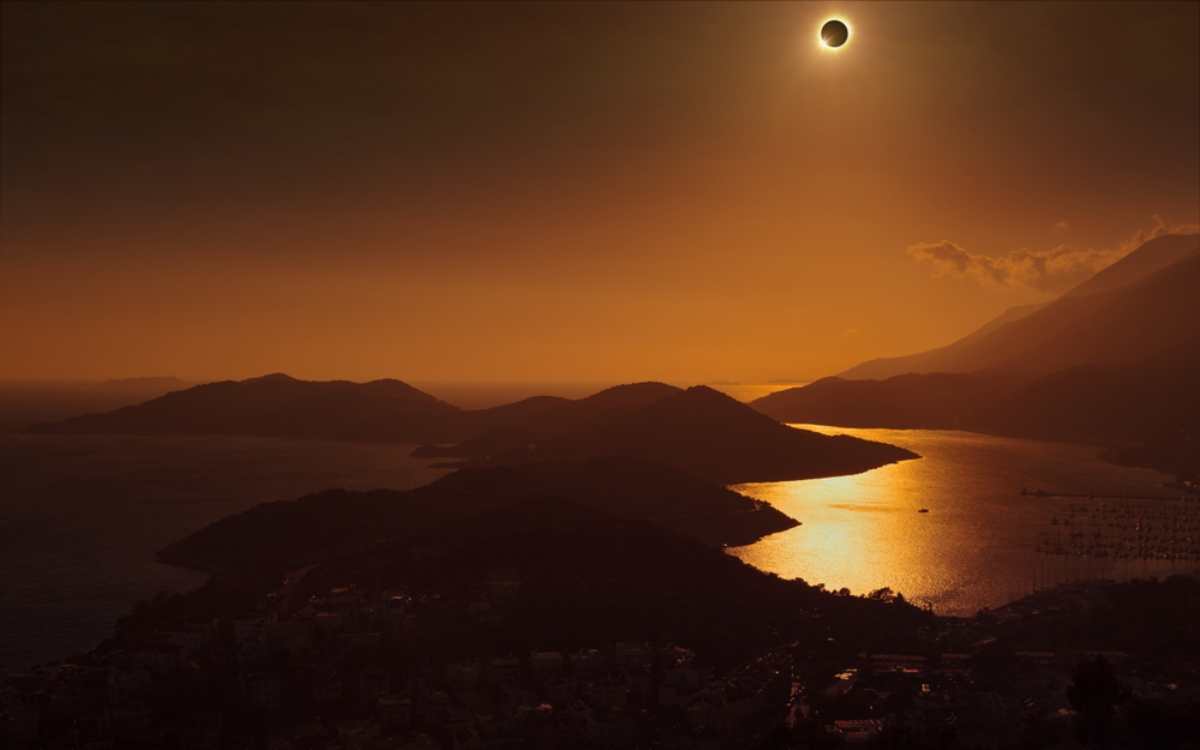
As if the Land of Fire and Ice couldn’t get more impressive, Mother Nature hands us this gem in 2026: a total solar eclipse. The eclipse may not be restricted to Iceland, but it does offer visitors views that are not seen in other regions. In our guide to the total solar eclipse Iceland 2026, we tell you all there is to know about this natural phenomenon and give you an inside scoop on the questions of “when?”, “where?”, and “what?”
So, if you’re planning on adding the solar eclipse to your 2026 bingo card, read on. Iceland has the experience of a lifetime waiting for you.
Understanding the 2026 Total Solar Eclipse and Why It Matters
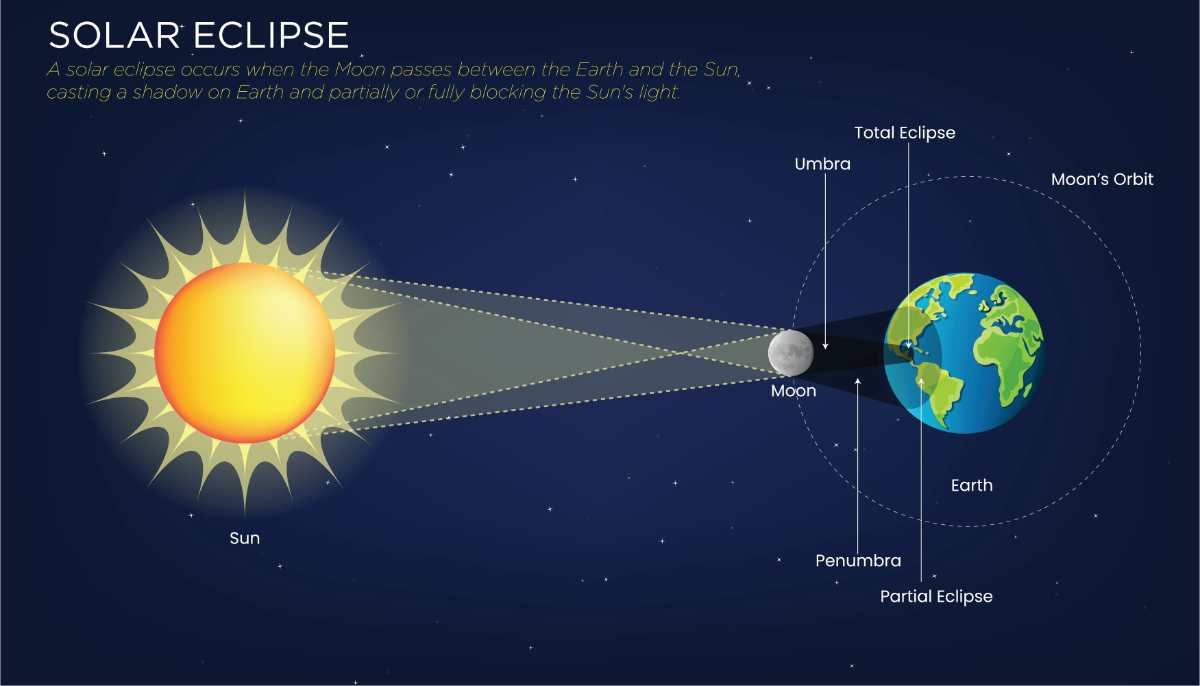
The solar eclipse is set to occur on the 12th of August 2026. A solar eclipse happens when the moon moves between the sun and the Earth, essentially obscuring the Earth’s view of the sun. This year’s event in Iceland is incredibly special for a variety of reasons.
Solar eclipses, as a concept, aren’t such a rare occurrence. In fact, there’s a solar eclipse occurring roughly every 18 months, with some countries getting a front-row seat to the event. But as concerts, unless you’ve got those prime seats in the middle, you’re bound to have an obstructed or skewed view of the action.
Solar eclipses work in a very similar way, and the privilege of that coveted front-row seat, guaranteeing an unspoilt view of a total eclipse, only gets bestowed on one specific location every 360 to 410 years! And to emphasize just how prime those prime seats are: an eclipse’s path of totality (aka unobscured view of total eclipse) is just between 100 and 200 kilometers (60 and 120 miles) wide.
While it may sound pretty big, that’s a minute distance on a larger geographical scale. In Iceland, the eclipse will take about 7 minutes from beginning to end, and, depending on where you find yourself on the island, of course, total darkness will reign for 1 to 2 minutes. The experience is truly unique.
Except for the obvious visual factor of the sun temporarily disappearing, there is also a strange apocalyptic feeling one gets as an eerie silence falls across the land – even the birds will suddenly stop chattering! Luckily, it’s just an odd feeling, and not an actual safety issue.
Solar Eclipse Visibility in Iceland: Dates, Timing, and Locations
As we already touched on, where you find yourself on the island is going to matter, so here’s what you need to know and what you should expect:
Eclipse Date and Viewing Schedule in Iceland
As we’ve mentioned, the eclipse will take place on the 12th of August, but it will travel across the country (there’s a path, remember?) The event will officially kick off at 16:47 when the moon starts making its way between the Earth and the sun.
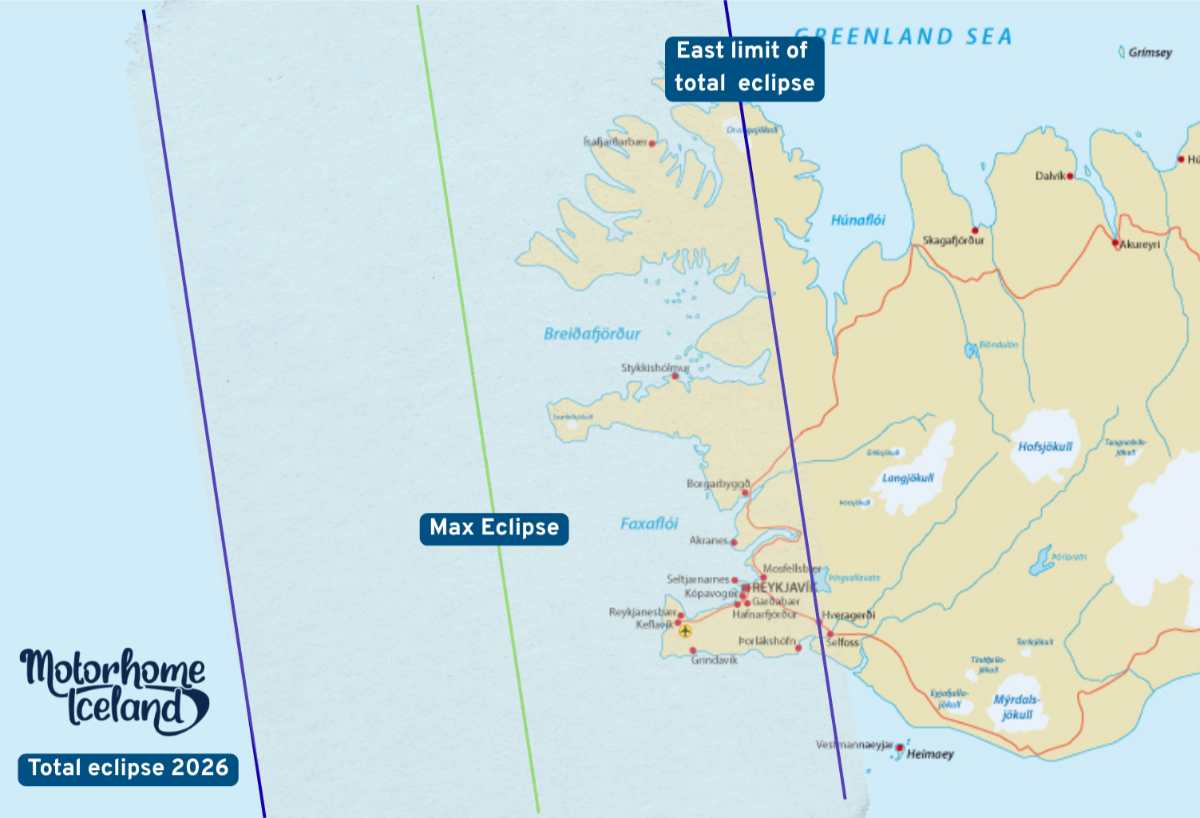
The moment of totality (complete obstruction) can be seen in the Westfjords at 17:43, then over the Snæfellsnes Peninsula and Reykjavik at 17:48, passing over the Reykjanes Peninsula, the entire show will come to an end at 18:47. Once again, where you find yourself on the island matters; if you’re not in these areas and the direct path of totality, you will only get to see a partial eclipse.
Totality Zone and How It Crosses the Country
This 2026 eclipse has a fairly limited path of totality. So, except for Iceland, the only other major countries/regions it covers are Greenland and Northern Spain. And, as already mentioned, even on the island, the total eclipse can only be seen in a few locations: the Westfjords, Snæfellsnes Peninsula, Reykjavik, and the greater Reykjanes Peninsula.
What Makes Iceland a Prime Destination for Eclipse Chasers?
As you might have already picked up on, numerous factors make Iceland a prime destination for viewing the 2026 solar eclipse:
Length of Totality and Viewing Quality
We already named the specific regions here on the island where you can get those prime front row seats to view a total eclipse (complete obstruction), and we also mentioned that the entire eclipse takes roughly 7 minutes, with totality lasting between 1 and 2 minutes. But did you know that it’s the longest you’ll be able to see totality anywhere on earth?! This alone should have you rushing to book a flight to Iceland.
Natural Scenery, Darkness Levels, and Visual Experience
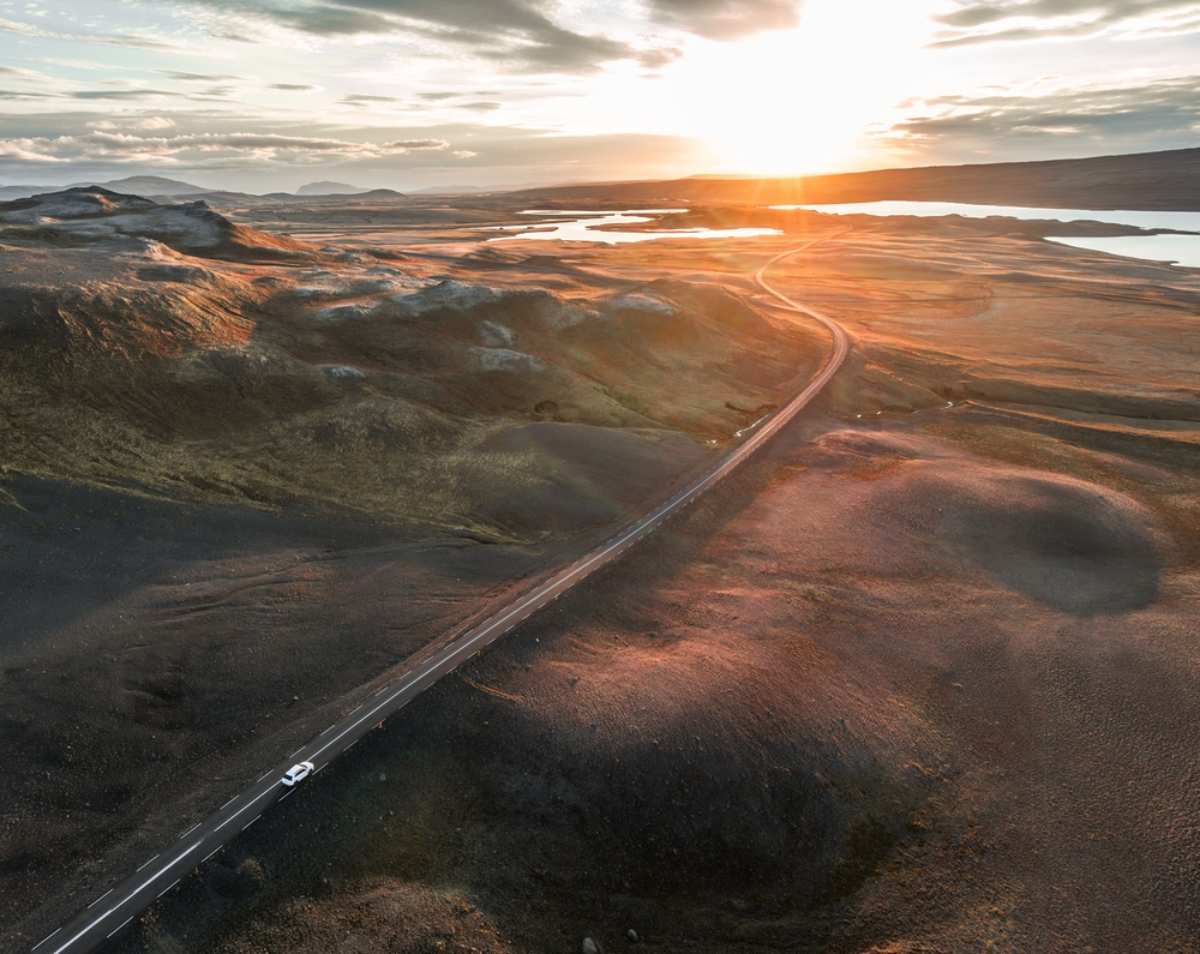
The Land of Fire and Ice is an experience, with or without an eclipse. The incredible landscape with its contrasting terrain and breathtaking natural wonders is something you’ll only understand once you’re cruising the country behind the wheel of a camper, completely immersing yourself in the surroundings.
So, can you even imagine standing at our cone-shaped mountain, Kirkjufell (also known as Arrowhead Mountain in the famous series, Game of Thrones), watching a total solar eclipse?! Or at Jokulsarlon Glacier Lagoon, with the glacier on one side and seals floating on sheets of ice, while the shadow of the eclipse slowly begins to fall across the land?! These are all once-in-a-lifetime experiences!
August in Iceland is also when the island boasts staggering amounts of daylight hours each day (up to 18!), you won’t be looking at the eclipse of a setting sun – you’ll be getting the full HD experience in real-time: complete darkness in what feels like the middle of the day!
Icelandic Weather in August: Risks and Opportunities
You’re in luck: August in Iceland is known for some of the best weather we’ve got all year. That being said, we also have a local saying: “You can experience all four seasons in a day in Iceland.” This is because, as an island, the weather can turn quickly. Still, you won’t be battling blizzards, so when we say the weather might turn in August, it’s not turning into our harsher weather conditions.
Weatherwise, the only real “risks” you’ll need to deal with are a potentially cloudy day and the possibility of some rainfall (August is one of our wetter months with an average of 64.6 mm spread across the month). On the bright side (pun intended), you’ve got plenty of daylight hours, allowing visitors to have a jam-packed trip itinerary.
Our legendary winds have also still not returned from their summer holiday, so you can expect much milder windspeeds at an average of 13.5 kilometers an hour (8.4 miles an hour). Temperatures are also still nice and high, with lows of between 6 – 9 degrees Celsius (43 – 48 degrees Fahrenheit) and highs of between 10 and 20 degrees Celsius (50 – 70 degrees Fahrenheit).
Top Locations to Watch the Solar Eclipse in Iceland
Here’s the lowdown on those prime front row seats we’ve been talking about:
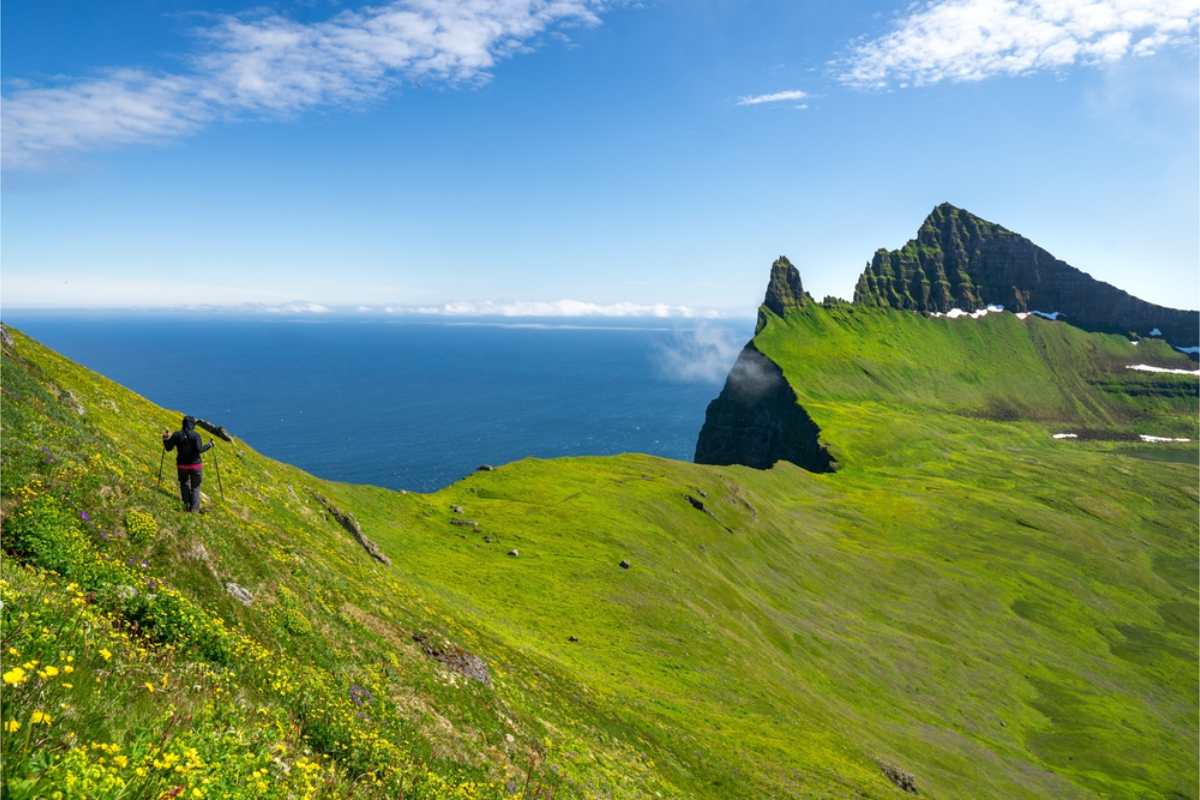
Westfjords: Remote Viewing and Longest Totality
The Westfjords are known as one of our most remote regions in Iceland, so if unspoilt nature is your thing, the Westfjords is the place for you. This is also the first location to be hit by the solar eclipse experience here on the island, and offers viewers the longest totality views (+/-2 minutes, 13 seconds if you find yourself at Latrabjarg Cliffs). Some of the must-see solar eclipse spots in the Westfjords include:
- Latrabjarg Cliffs – As mentioned, this is the spot where you’ll experience totality the longest, but it’s also a birders' mecca. Not only are the cliffs filled with a wide variety of bird species, but you can also spot our famous Puffins here in August. A solar eclipse and our so-called “clowns of the sea” make for an extremely memorable experience.
- Isafjördur – As the largest settlement, it’s seen as the unofficial capital of the Westfjords. Here, you can expect a totality viewing time of roughly 1.5 minutes.
- Bolafjall Mountain – Here you’ll find an observation platform overlooking the fjords, so add on the views of the solar eclipse, and you’re in the natural wonder pound seats!
- Straumnes Lighthouse, Hornstrandir – This is the first point of contact for the solar eclipse. Just keep in mind this is an extremely remote area, and getting there can be tricky (for example, a 4x4 is a non-negotiable). But if you’re not someone for crowds and want to experience the eclipse peacefully out in nature, this might be the spot for you.
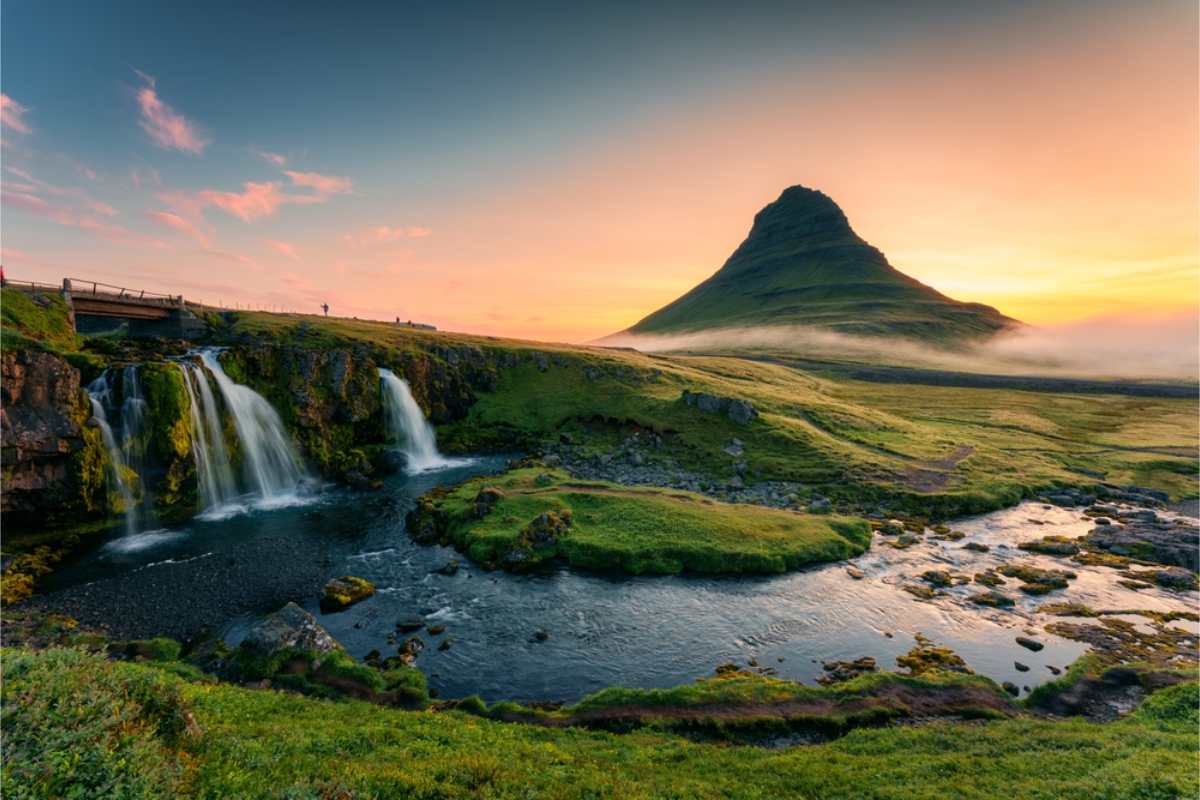
Snæfellsnes: Scenic Spots with Easy Road Access
Snæfellsnes is a truly unique region in Iceland. It is also known as “mini Iceland” since the region gives visitors a taster of almost everything one can see and experience here on the island. When it comes to totality viewing times, Snæfellsnes is a close second to the Westfjords, clocking in at 2 minutes, 7 seconds. Some of the best spots to view the 2026 solar eclipse in Snæfellsnes are:
- The towns of Hellissandur & Rif – These are some of the northernmost towns in Snæfellsnes, where you’ll be privy to the longest totality viewings in the region. These are good options if you’d like to share the eclipse experience with a community.
- Kirkjufell Mountain – We already mentioned this impressive solar eclipse destination earlier, but it clocks in as the second-longest totality viewing spot in the Snæfellsnes Peninsula (1 minute, 50 seconds).
- Svodufoss Waterfall – This waterfall offers a unique vantage point and is the go-to for those who’d like a more secluded and aux natural eclipse experience.
- Snæfellsjökull Glacier – This glacier is not just an iconic landmark here in the Land of Fire and Ice, but it’s also featured in the famous novel by Jules Verne: Journey to the Center of the Earth. Watching the eclipse from a glacier-capped volcano is definitely an experience you won’t soon forget.
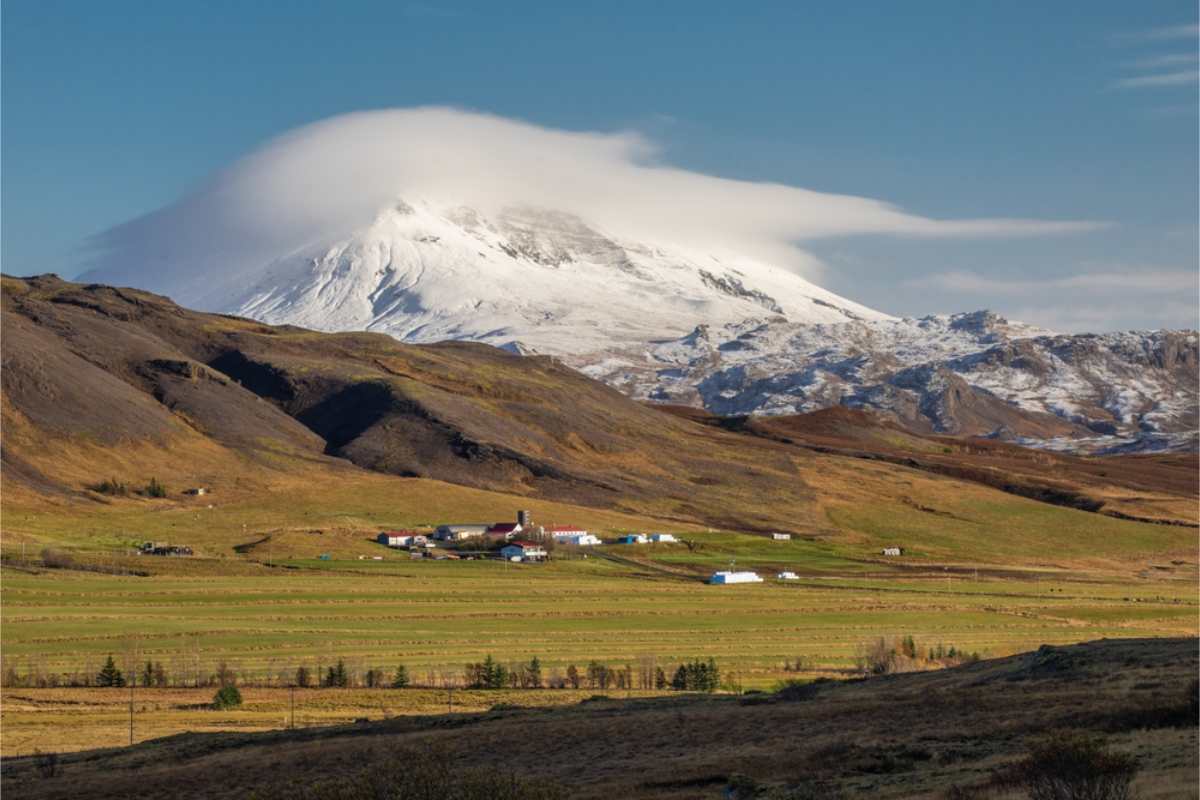
Reykjanes Peninsula: Strategic Viewing Near Keflavik
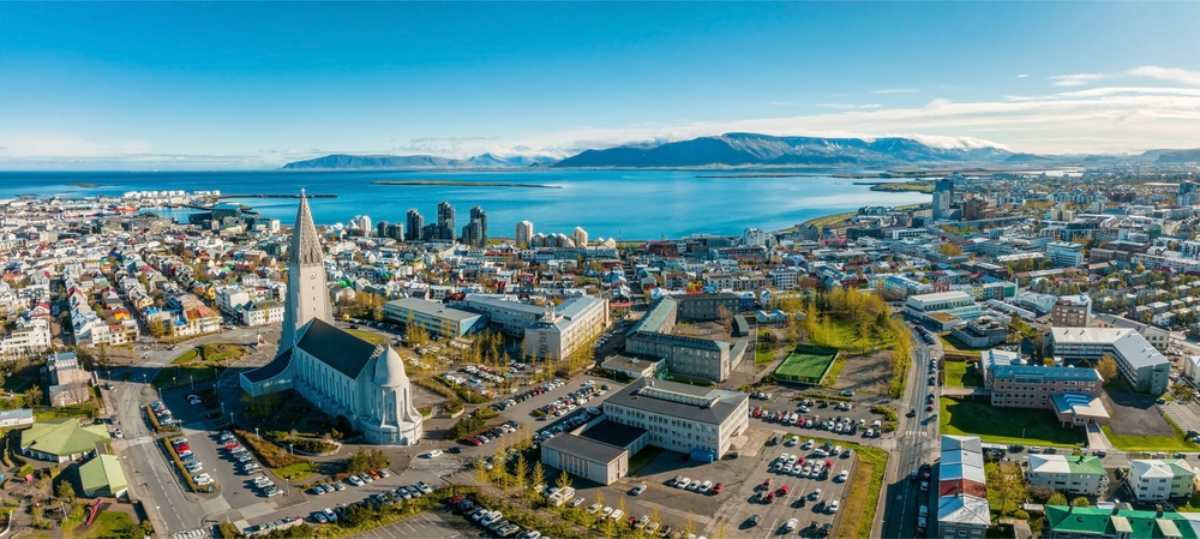
It should come as no surprise that the capital city and its surrounding area are also among the favorites for watching the 2026 solar eclipse. However, you will have to take a little con along with all the pros of watching the eclipse in this vibrant city. Since the city lies on the eastern edge of the eclipse’s path of totality, you’ll only get to experience partial totality. Some of the go-to places in the capital and its surroundings are:
- Akranes – This is a town just north of the capital city and boasts some of the longest totality viewing times (up to 1 minute, 4 seconds).
- Grotta Nature Reserve, Seltjarnes – This is a good option if you’re looking for a peaceful experience in nature. It also boasts the second-longest totality viewing time (1 minute, 3 seconds).
- Oskjuhlid Hill -This is yet another spot that’s a good idea for nature-lovers out there. Here, you can look forward to peace and quiet and nothing to obstruct your views.
- Mosfellsbær – This is a good compromise if you’re looking for fewer crowds and some peace and quiet, but still, technically, want to be in civilization. Mosfellsbær is a small town just outside of Reykjavik that can provide you with just that experience.
Greater Reykjavik Area: Pros, Cons, and Crowd Management
Watching the solar eclipse from the greater Reykjavik area has its pros and its cons:
Pros
- You’re near the city and everything that goes along with it.
- There are many spots outside of the city (check the locations mentioned above) where you can experience the solar eclipse out in nature, while having the luxury of being close to all the city facilities and amenities.
- In the countryside of the greater Reykjavik area, you won’t find as many crowds as inside the capital itself.
- The city has an abundance of parking spots where you’ll be able to park your campervan.
- If you’re looking for a few solar eclipse-themed events and parties, you’re definitely going to find these in Reykjavik.
- Your camper is an absolute budget-saver if you’re planning on watching the eclipse in Reykjavik and its surroundings. As you can imagine, prices are bound to soar, especially accommodation, and everything is bound to book up fast. With your camper, you can conveniently book an affordable camping spot, practically in the middle of the city (Reykjavik Eco Campsite).
Cons
- If you find yourself too close to the city and its infrastructure, there may be some obstruction issues.
- If you watch the eclipse from inside the city, you must brace yourself for potentially crowded eclipse viewing.
- If you’re going to view the eclipse from the countryside on the outskirts of the city, parking your camper may be a bit of a problem (remember, it is illegal to park anywhere in Iceland that isn’t clearly marked as a dedicated parking spot).
Why a Campervan is the Smartest Way to Follow the Eclipse
As you can see from the abovementioned pros, a campervan brings a lot of perks and opportunities to your solar eclipse experience. Here’s why:
Mobility and Cloud-Chasing Advantages
In a camper, you are the captain of your own solar eclipse adventure. You can say where you want to go and when, and you’re under no strict check-in obligations. This gives you the freedom and flexibility to go wherever the perfect solar situation beckons. Have the clouds derailed your current location plans? No problem; just move it along to the next prime viewing spot.
High Demand for Hotels and Early Campervan Bookings
As we already mentioned, a campervan is the best solution to the busy and expensive accommodation problem many visitors will be facing during the 2026 solar eclipse. Just keep in mind that, even though getting a camping spot during our busier times on the island is easier than trying to score a room somewhere, it’s still a good idea to do some planning and booking in advance (especially when it comes to a campervan!).
You’re not the only one who’s figured out the secret to flexibility, freedom, convenience, and affordability. So, you’ll need to ensure well in advance that you’ll have the wheels you need upon arrival in Iceland.
Overnight Planning: Campsites and Flexible Stops
With so many campsites to pick and choose from all across the country, you can rest assured that you’ll find a spot to rest somewhere along your solar eclipse journey – even in our more remote regions. This also makes driving after the perfect solar eclipse experience super easy, since you know you’ll always have overnight options available somewhere in the area.
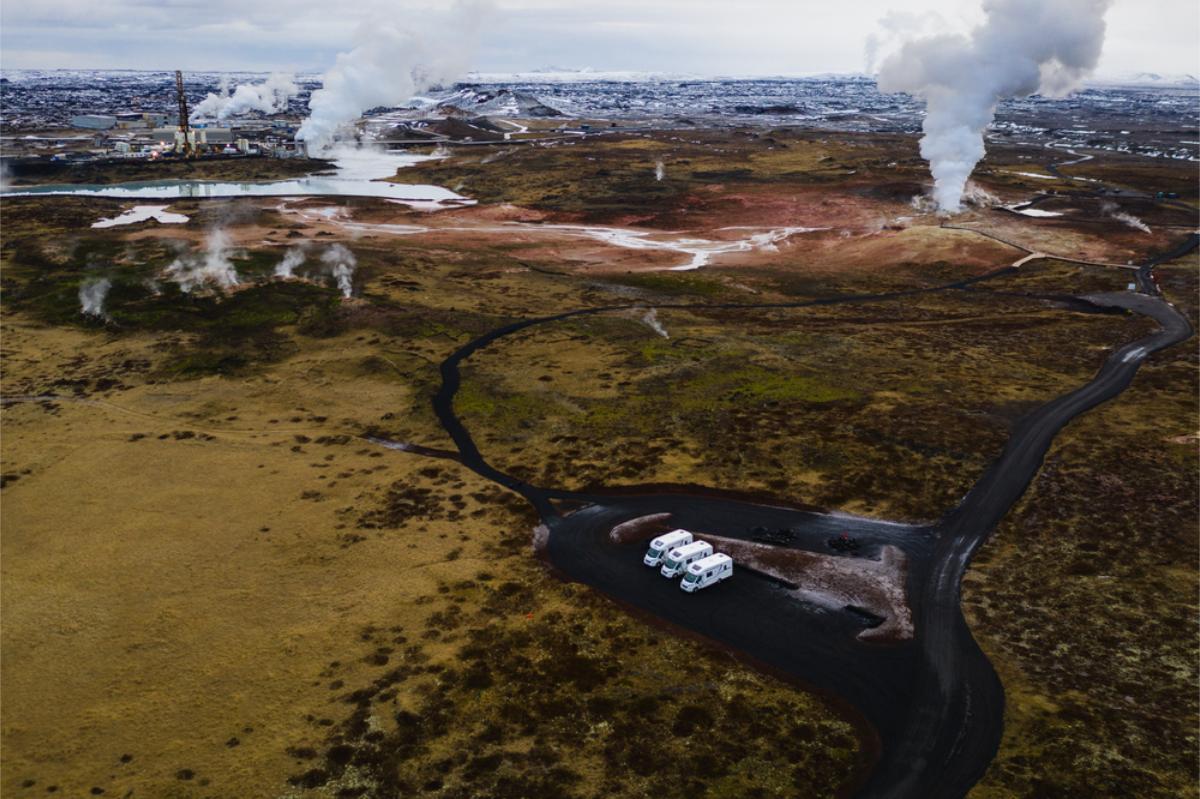
Planning an Iceland Solar Eclipse Road Trip
Take special note of the following when planning your solar eclipse road trip through Iceland:
Best Time to Secure Your Campervan for Summer 2026
As we already mentioned, campervans are going to be in high demand when it comes to cruising the island after that perfect solar eclipse viewing spot. Therefore, it’s a good idea to book your camper as soon as possible. Also, ensure that the camper you book suits your party’s needs and requirements as well as your trip itineraries.
For example, you’re not going to need a beast of a campervan if you’re only going to be zipping in and out of Reykjavik parking spots. You also won't be able to travel the remote areas in a 2-wheel-drive camper comfortably. So, choose your camper wisely (it won’t help much booking a campervan well in advance when it ends up being the wrong one).
Route Planning Based on Cloud Cover Scenarios
A campervan gives you the best opportunity to dodge sudden circumstances that may impede your solar eclipse experience. Our advice would be to choose a primary route/solar eclipse viewing spot, but to keep a few backup options up your sleeve in case the weather turns, or other circumstances cause a diversion.
To ensure you always stay one step ahead of any potential derailment to your plans, please keep a close eye on our weather forecasts via the Vedur website and the current road conditions via the Umferdin website.
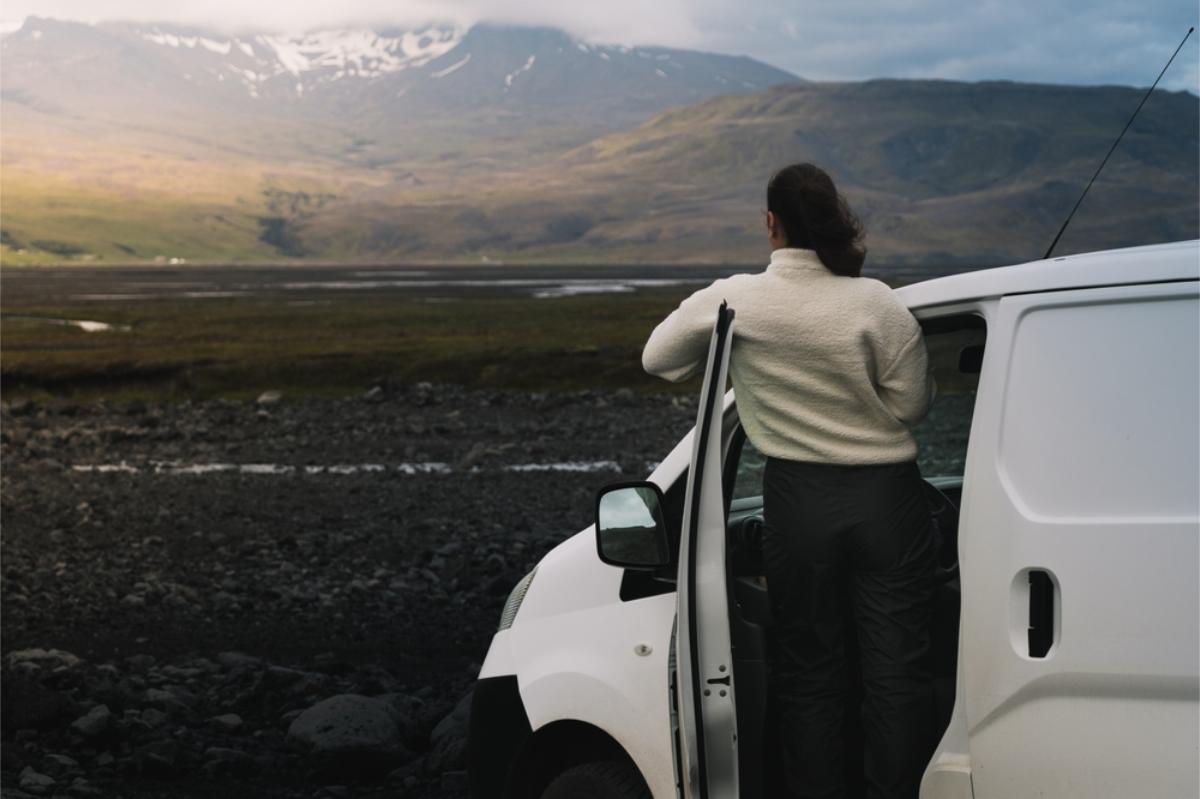
Travel Times and Driving Conditions Along the Eclipse Path
There’s a lot more to consider than just distance when it comes to adequately calculating driving times here in Iceland. So, to ensure you don’t end up missing your own eclipse experience, please keep the following in mind:
- Road conditions will impact driving time. For example, you’ll drive much faster (within the Icelandic speed limits, of course!) on a paved main road than you will on one of our gravel roads out in the countryside.
- Weather conditions will impact your driving time. Even though you won’t need to worry about harsher weather conditions, such as blizzards, rainfall, and some wind, these conditions are still possibilities. Needless to say, these types of conditions will require you to drive at a slower and more cautious pace.
- Interesting and exciting stops will impact your driving time. Many completely forget that they’ll be cruising in a camper in the Land of Fire and Ice – one of the most beautiful and interesting countries in the world! You will come across many breathtaking and intriguing stops along the way, and you’ll need to allocate some time to stop and appreciate them.
Packing List for an August Solar Eclipse in Iceland
If this will be your first time visiting the island or just the first time chasing a solar eclipse experience, be sure to pack the following:
Viewing Equipment, Cameras, and Protective Gear
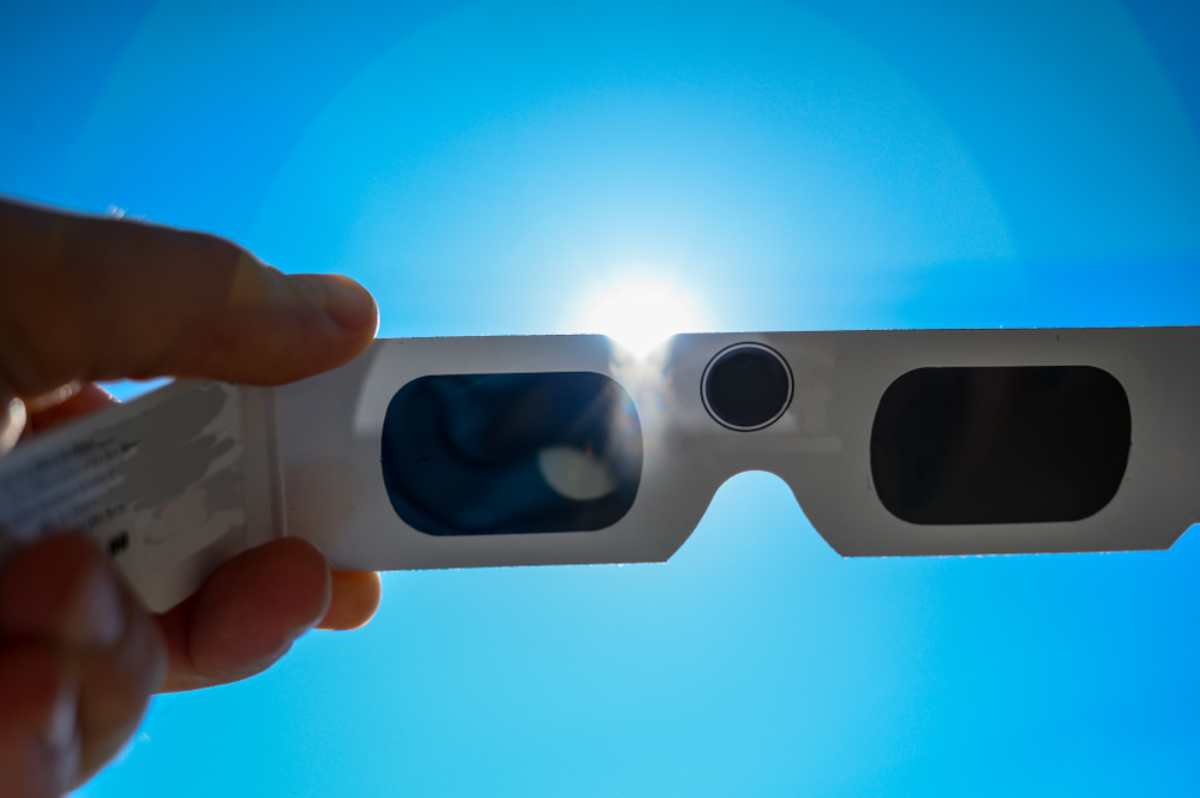
- You’ll need a solar eclipse viewer or glasses. It’s actually quite easy to make a DIY solar eclipse viewer if you don’t want to fork out a lot of money for an event that won’t even be 10 minutes long.
- It’s not just your direct eyes you need to worry about; if you’re planning on doing some solar photography, please ensure that you have a protective filter on the lenses.
- A tripod is also a must to ensure stability throughout the “shoot.”
- A comfortable and lightweight camping chair (but this is always a good idea on a campervan road trip, whether you’re planning on photographing an eclipse or not).
- Double-check that you’ve packed all essential cables, batteries, chargers, adaptors, and power banks. It’s not going to help much having all your gear and equipment there, but no power to use them.
- A rain cover is also a good idea, just in case there’s some light drizzling.
Weather-Ready Clothing and Campervan Must-Haves
- Layering is the name of the game on an island where the saying is “you can experience all four seasons in a day in Iceland.” T-shirts, long-sleeved shirts, sweaters, and jackets are essentials irrespective of the season. This way, you’ll always be able to take something off or put something on, depending on the conditions.
- Waterproofing is another must here on the island, and not just because of potential rainfall. You’re looking at wet and muddy hiking trails, hot spring surroundings, and, of course, the incredible amount of mist and spray generated by our powerful waterfalls. So, waterproof jackets, pants, hiking boots, and a raincoat are all must-pack items.
- Warm accessories such as a beanie, scarf, gloves, and socks are also important to bring along, irrespective of the season.
- If you’re someone who gets chilly easily, a blanket might also be a good idea while sitting outside, waiting for the eclipse to take place.
- On any campervan road trip, it’s always a good idea to pack some extra rations of water and non-perishable snacks like nuts and dried fruit. These can come in very handy in times of emergency or when you simply forgot to stock up in town. During an eclipse, it can be the perfect viewing treat.
Safety Considerations During Totality
A solar eclipse has a few safety concerns that most might not be aware of:
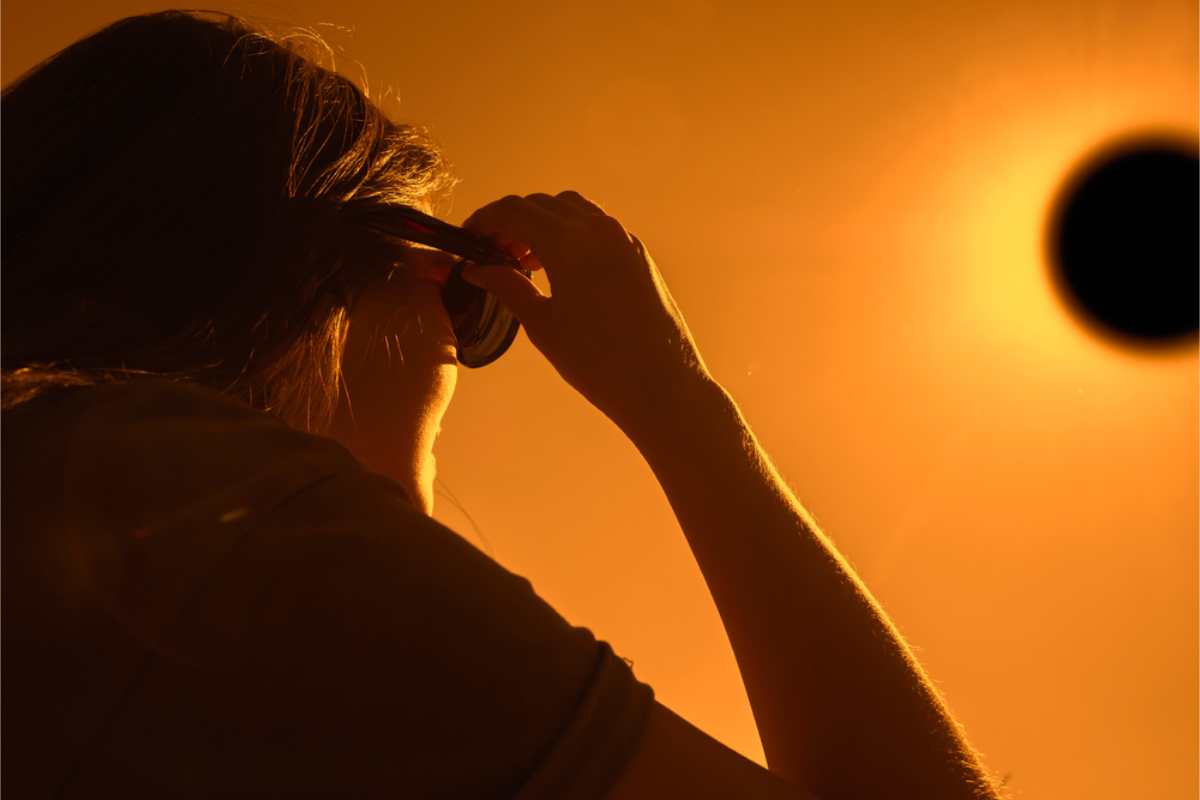
- Never look directly at the eclipse; it will damage your eyes. That’s what the eclipse viewers and glasses are for.
- It’s going to be dark, so please keep a safe distance from cliff edges, safety railings, etc., to avoid an accident.
- Also, don’t start venturing out in the dark. Not only is it illegal to DIY your own pathways and trails here in Iceland, but it can also be extremely dangerous (just ask Ed Sheeran about how one wrong step can literally get you into hot water).
- Another safety consideration that’s valid for any campervan road trip and adventurous outings is always having a first aid kit nearby. Also, ensure that you have our emergency number, 112, as well as other important numbers, such as your insurance company, rental agent, etc., saved on your phone.
- If you bring a flashlight, please bring a headlamp; this way, you’ll always have your hands free.
Combining the Eclipse with a Campervan Adventure in Iceland
One can’t visit the Land of Fire and Ice and not explore the rest of the country and its incredible sights during your eclipse visit. Here’s what you can look forward to:
Natural Attractions Near the Path of Totality
These are some of the interesting stops and places you’ll find along the path of totality:
Reykjavik (On the Edge of the Path of Totality)
As the capital city, you already know there’s a ton of interesting things to see and do. These include:
- Hallgrimskirkja
- Harpa Concert Hall
- The Sun Voyager Sculpture
- Bæjarins Beztu Pylsur (our famous hot dog stand – be sure to ask for one “with everything on”)
The Greater Reykjanes Peninsula
Some of the main attractions here include:
The Snæfellsnes Peninsula
The peninsula’s biggest claim to fame is, of course, Snæfellsjökull National Park.
The Westfjords
Out here in the wilderness, nature and the peaceful quiet are what most look forward to. In fact, this is one of the regions you’re most likely to catch a glimpse of our elusive Arctic Fox! But this is also where birdwatchers flock to (pun intended). The Latrabjarg Cliffs are a haven to many bird species, including our “clowns of the sea,” the Puffins.
Post-Eclipse Travel: Northern Lights and Late Summer Travel
The solar eclipse also doesn’t have to mean the end of your Iceland adventure. Late August offers plenty of last-minute summer opportunities. This includes exploring the Highlands since the F-roads are still open, many hiking trails such as the Laugavegur and Fimmvörduhals Trails, all sorts of whale watching and Puffin watching boat tours, and much more.
If you are able to stay longer than August, there are other perks waiting for you. September still has a lot of the summer weather perks, even though daylight hours are slowly decreasing. But September is a shoulder month, so you can almost immediately look forward to fewer crowds and lower prices with the busy peak season in the rearview mirror.
If you’re lucky enough to stay till early October, you’ll find that daylight hours have dwindled to such an extent that there’s enough darkness along with colder conditions, especially in the north, that you could already get the chance to spot the Northern Lights.
Planning Ahead: Key Takeaways for the 2026 Eclipse
To summarise the essentials when planning your 2026 solar eclipse road trip:
- Book your campervan well in advance. If you’re planning on staying at our popular sites, such as Reykjavik’s Eco Campsite, we also recommend you book your camping spot there ahead of time.
- Plan your primary road trip route, but always have a few backup routes on standby just in case circumstances change. A flexible itinerary is key to a solar eclipse campervan road trip.
- Prioritize your safety when viewing the eclipse; not just in terms of safeguarding your sight when watching the eclipse, but also safeguarding yourself in your immediate surroundings.
- Be as prepared for the unexpected as possible, and always check on our weather forecasts and the state of the roads.
- Be sure to pack according to our packing advice; these are essential items on a campervan road trip and a solar eclipse viewing.
Solar Eclipse Iceland 2026: Common Questions Answered
Below are the answers to some of the most common questions we receive about the solar eclipse in Iceland in 2026:
When is the Eclipse?
The eclipse will take place on the 12th of August 2026, and you’ll need to ensure you’re in the path of totality and at very specific locations to experience the full eclipse for the longest period of time.
Where is the Best Place to View the Solar Eclipse in Iceland?
Many say the prime solar eclipse spots in Iceland are the Westfjords and the Snæfellsnes Peninsula, where you get the longest totality viewing times.
Should I Book my Campervan Before Arriving in Iceland?
Yes, booking a campervan well in advance for the 2026 solar eclipse is an absolute must. Many have the same idea, so campervans will be booked up fast. If you want to avoid disappointment, please give us at Motorhome Iceland a call as soon as possible.
How Will the Weather Impact the Solar Eclipse in Iceland?
Needless to say, you won’t see much if it turns into an overcast day (you’ll only realize that darkness has fallen without really seeing any action). However, no one has any control over the weather, so if it becomes too cloudy, you’ll be in the best possible position to get in your camper and chase a better spot. This is also why it’s imperative for you to keep checking the weather updates.