Iceland on a budget sounds like a contradiction, and in many ways it is. Iceland is expensive. Anyone promising a cheap fairy tale is lying straight to your face. The whole point of this article is not to make Iceland sound cheap. Instead, it is to help you save money on unnecessary spending.
That is where campervans come in. One vehicle covers transport and accommodation in a single move. At Motorhome Iceland, this is how trips are planned in the real world. Fewer hotel nights without a separate car rental. That means that less money is spent on restaurants.
Flexible routes that bend with the weather, and not bookings. That is where the savings actually happen.
Why a Campervan Is the Smartest Way to Save Money in Iceland
If your goal is a cheap trip to Iceland, then renting a campervan in Iceland is not optional. They are the difference between a controlled budget and death by nightly invoices.
Compared to hotels plus a rental car, campervans cut daily costs by roughly 30 to 50 percent. Couples typically land around $250 to $300 per day total. The hotel and car combo pushes that to $400 or more without trying.
Cutting Costs on Hotels and Getting Around
Hotels average $203 to $325 per night. Campsites cost roughly $16 to $41 per person. That gap alone covers fuel. Efficient campervans also use about 20 to 30 percent less fuel than bulky 4x4 SUVs.
Food is where most budgets collapse. Self-catering turns $25 restaurant burgers into $5 to $10 meals from Bónus. Over ten days, that saves well over $500. Even toll roads add up. The Vaðlaheiðargöng tunnel costs about $17.50 per car, but Route 83 and 84 bypass it with an extra 16 km (4 mi) of scenery.
Sure, it is a bit slower. But it is also cheaper with much better views. That is Iceland on a budget done properly.
Freedom to Reach Iceland’s Most Remote Landscapes
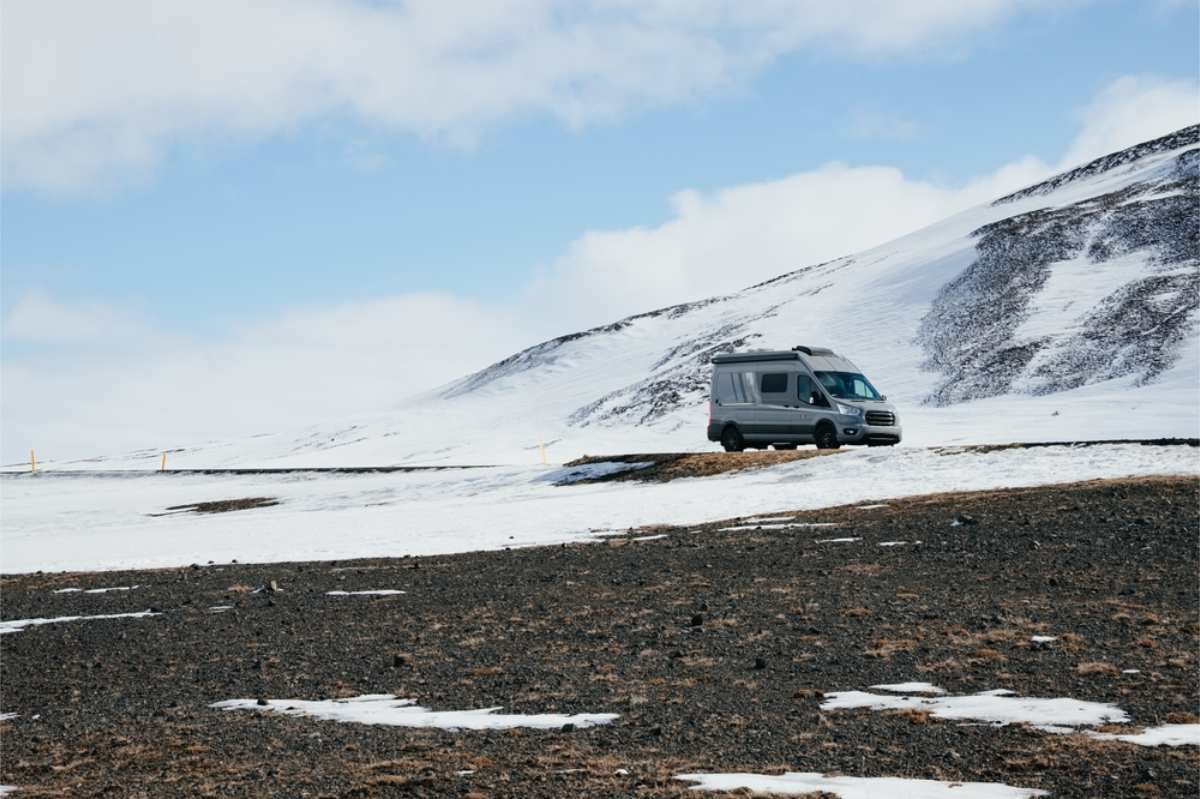
Campervans open up areas that buses and base hotels simply cannot reach. East Fjords stops like Studlagil Canyon have no nearby hotels. Guesthouses run $200 a night when they exist at all. Campervans remove that problem entirely.
In winter and shoulder seasons, 4x4 campers from around $215 per day handle ice and gravel routes to places like Askja, where standard rentals are banned. Most of Iceland’s highlands and interior routes are only accessible with a 4×4, not standard rentals.
Add free hot pot hikes near Reykjadalur or Mývatn alternatives, and you get geothermal heat, remote access, and no accommodation bill.
How to Organize a Low-Cost Campervan Trip in Iceland
If you are serious about doing Iceland on the cheap, start by booking locally instead of chasing aggregator deals. At Motorhome Iceland, low-season campervan rates range from about $56 to $122 per day, with pricing that stays transparent from booking to pickup.
Gravel and sand insurance costs roughly $33 to $65 per day, and it is not optional if you plan to drive unpaved roads. One bad pothole or a blast of volcanic ash can turn into a $1,000+ repair bill fast.
Finding Budget-Friendly Campervan Rentals
If you are trying to figure out how to travel to Iceland on a budget, this is where most people mess it up. Not by underbooking. By overbooking. Basic campers like the Renault Kangoo Plus or Kangoo Maxi rent for $95 to $120 per day in low season. They sleep two, have a minimal kitchen, and do exactly what they need to do on the Ring Road.
Motorhomes like the Carabus 600 MQ jump to around $300 per day. You get a shower and toilet, sure, but you also burn about 20 percent more diesel, at roughly 1,800 ISK per liter. That adds up fast.
4x4 Campers like the Dacia Duster with a roof tent start around $122 per day and are only worth it if you are heading into the Highlands. Most budget travelers are not. About 90 percent of Iceland’s top sights, including the Golden Circle and South Coast, sit on paved roads.
The non-negotiable part is transparent pricing. We give you unlimited kilometers, plus the 24% VAT is already included. We also throw in CDW for free. If those are missing, walk away.
When to Book to Get the Lowest Prices
If you are serious about Iceland on a budget, timing matters more than anything. Book 4 to 6 months ahead for summer if you want control. June to August prices spike fast once fleets sell out by roughly 80 percent, pushing even basic campers past $810 per day.
Shoulder season is when things calm down. February to May and September to October regularly deliver 30 to 83 percent discounts, with models like Kangoo Maxi dropping to about $88 per day while summer pricing doubles. Last-minute deals only work off-peak. February is a good example, when returns flood the market.
Try that in summer, and budget options disappear under 200,000 tourists per month. One more reality check. Fleets shrink after winter closures from November to January, pushing base prices up about 20 percent. Align your dates with low season windows from October to May and avoid Easter spikes.
Selecting a Campervan That Fits Your Budget and Needs
Solo travelers or couples sticking to the paved Ring Road are best served by compact campers like the Renault Kangoo Plus at about $95 per day or the Fiat Doblo Camper at about $97 per day. Both seat and sleep two and stay around 4.3 to 4.4 m (14 to 14.4 ft) long, which makes a real difference on narrow bridges and cramped campsites in places like Vík or Selfoss.
Groups of three doing the South Coast or Golden Circle usually land in the Fiat Scudo at about $164 per day. It sleeps three, stretches to 5 m (16.4 ft), and adds space without tipping into oversized territory. Families of five who skip F-roads fit comfortably in the Renault Master Plus at about $259 per day and 6.5 m (21.3 ft) long, which still works at standard campsites.
Highland routes change the math. The Toyota Hilux 4x4 Camper at about $272 per day earns its keep with clearance and traction. Go bigger than that, and costs climb fast. Large motorhomes like the Giottiline Siena 440 at about $478 per day burn 16 to 20 L per 100 km (4.2 to 5.3 US gal per 62 mi) and often trigger campsite surcharges of about $4 to $12 per night. Built-in kitchen gear and unlimited diesel heating quietly cut extras, even when February temperatures drop to -10°C (14°F).
Camping Options for Travelers on a Tight Budget
If you want to travel to Iceland on a budget, you need to respect how camping actually works here. Wild camping outside official sites has been banned since 2021 under the Nature Conservation Act.
Fines range from about $325 to $650, and they are enforced. The workaround is simple. Stick to Iceland’s 170-plus licensed campsites. Facilities are predictable and practical. Toilets and hot showers are standard, with showers costing roughly $2 to $6 for five minutes. Most sites also include cooking shelters and WiFi.
Free and Affordable Campgrounds You Can Use Across Iceland
If you are hunting for the cheapest way to visit Iceland, forget the idea of hidden free camps. True free spots barely exist and are limited to hikers in the highlands, with no vehicles allowed. Most roadside ‘free’ areas simply push you toward paid services nearby. The real savings come from municipal campsites along the Ring Road.
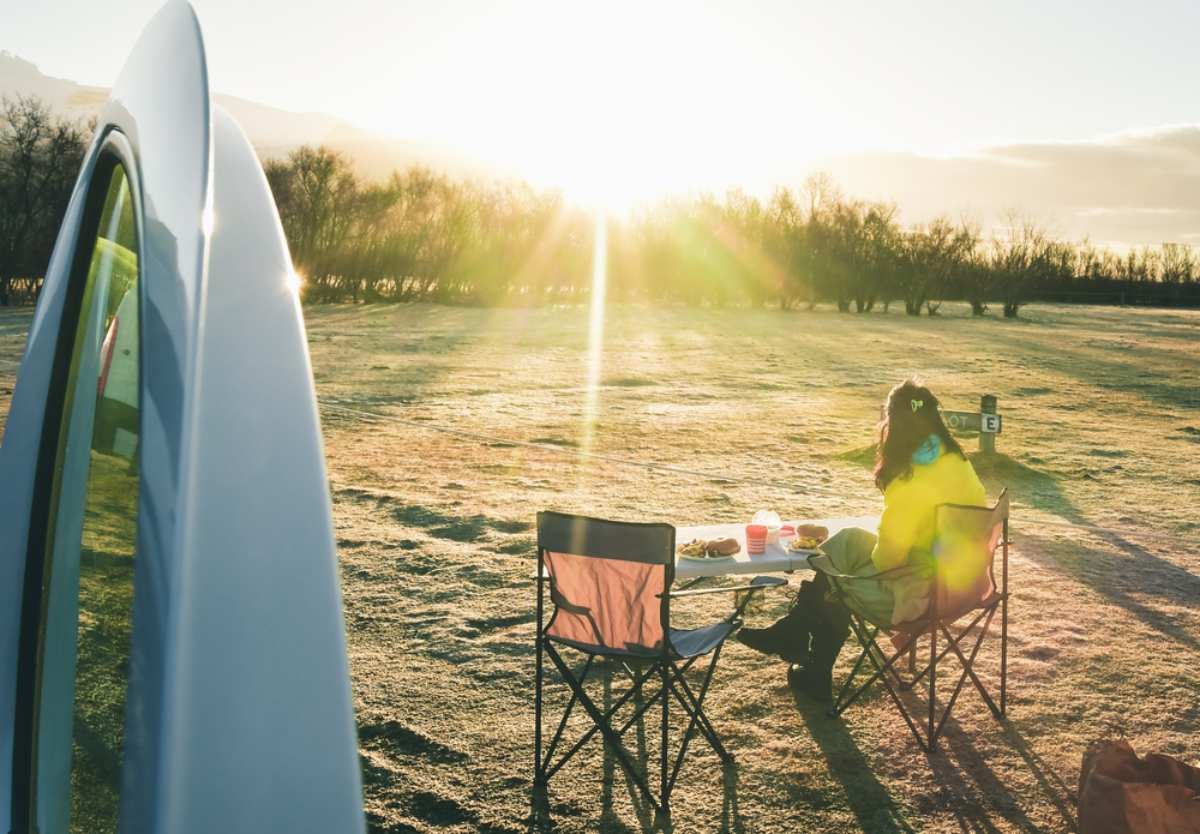
On the South Coast, places like Vík charge about $14 per adult, with hot showers around $2.50 and electricity close to $6.50. Around the Golden Circle, Hveragerði sits nearer $11 per person, shower included. Up north and east, Mývatn runs about $12 per adult plus $4 per van, while Egilsstaðir lands closer to $16 per adult, with small add-ons for tents or vans. Stay multiple nights, and discounts of 10 to 15 percent are common.
Facilities are basic but useful. Shared hot showers, picnic tables, laundry for $4 to $6, and dump stations make self-catering easy after a Bónus run. The Camping Card costs about $195 for the season and covers 40-plus sites, effectively capping stays at roughly $16 per person per night. Chain campsites with fuel stops and daily costs stay controlled at $10 to $15. One overlooked option is golf club campsites like Selfoss, charging around $12, sometimes with small perks like food discounts.
Practical Money-Saving Tips for Campervan Travel in Iceland
Saving money in Iceland does not come from one big decision. It comes from small, repeatable choices you make every day on the road. Get these right, and your campervan stops being an expense and starts doing what it is meant to do.
Reducing Food Expenses by Cooking on the Road
Grocery shopping in Iceland looks painful at first glance. Lamb sits around $28 per kg ($12.90 per lb), and a single avocado runs about $3.25. This is where knowing how to plan a trip to Iceland on a budget actually matters. Cooking flips the math fast if you shop at Bónus or Krónan and stick to food that works in a camper kitchen.
Skyr comes in large tubs for about $3.65 for 750 g (1.65 lb). Rye bread lands near $4 a loaf. Frozen cod sits around $18 per kg ($8 per lb). Oats cost roughly $4.85 for a 1 kg (2.2 lb) bag.
Add potatoes at $1.60 per kg ($0.73 per lb) and a cabbage for $2.40, and you have meals that last two to three days without waste. A built-in kitchen also kills impulse spending. That means skipping $6.50 hot dogs and $16 café soups at fuel stops.
Enjoying Iceland’s Top Attractions Without Paying Entry Fees
Tour operators love pushing ‘premium’ add-ons like helicopter flyovers or VIP viewpoints. They sound exclusive. They are not. You pay $160 to $405 per person for views that sit a short walk from public parking areas.
A self-drive campervan cuts that noise out completely. You skip daily tour fees that hover around $200 per day, keep full control of timing, and stop where the light actually works instead of when a guide says so. You get the same scenery with the same access, and a lot less money is spent for the privilege of being rushed.
Natural Sights You Can Visit for Free: Waterfalls, Ice, and Views
Iceland does not charge admission for its best scenery, which is why the smartest, cheapest things to do in Iceland involve showing up, parking legally, and walking the last few meters yourself.
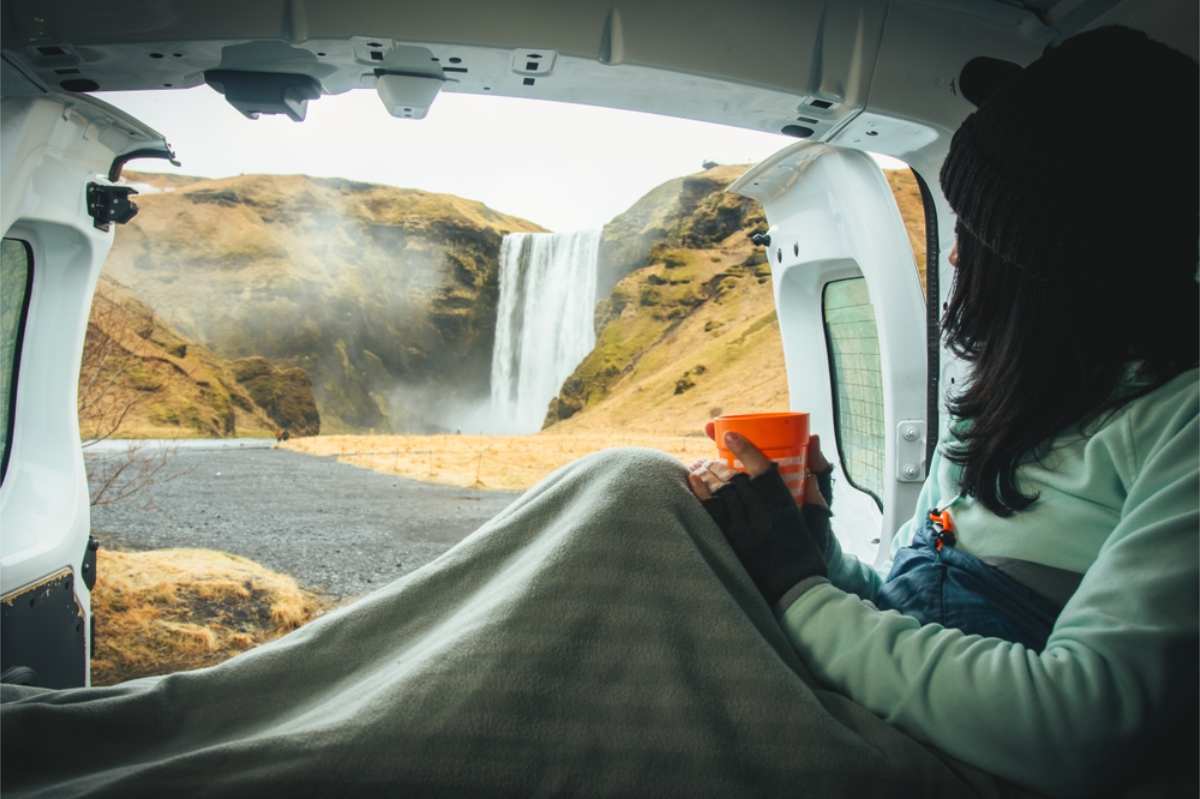
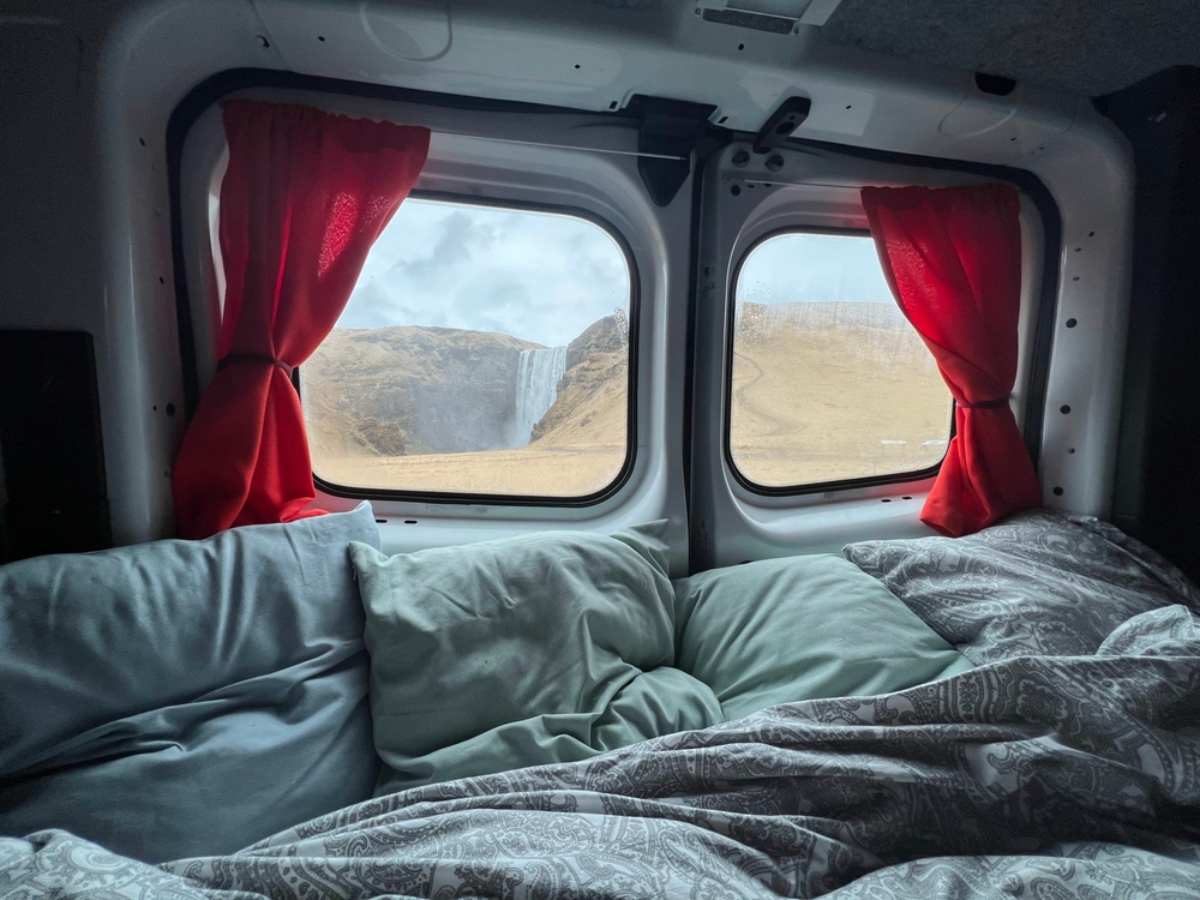
- Waterfalls: Skógafoss, Seljalandsfoss, where you can walk behind the falls, Gullfoss, and Godafoss. Entry is free. Parking usually is not.
- Glaciers and lagoons: Jökulsárlón glacier lagoon is open, exposed, and spectacular with no admission fee.
- Beaches and coastal views: Reynisfjara’s black sand near Vík and the rugged Reykjanes Peninsula coastline cost nothing but wind tolerance.
- Geothermal areas: Haukadalur with Geysir and Strokkur is free to enter, as are undeveloped hot springs if you respect access rules.
- National parks: Thingvellir, Vatnajökull, and Snaefellsjökull do not charge entry fees.
- Landmarks: Kirkjufell, Lake Mývatn, and Grjótagjá lava cave stay firmly on the free list.
Note: Entry to natural sites is usually free, but parking fees are common at popular stops like Seljalandsfoss and Þingvellir. Budget for them so “free” does not catch you off guard.
Managing Fuel Costs and Daily Travel Expenses
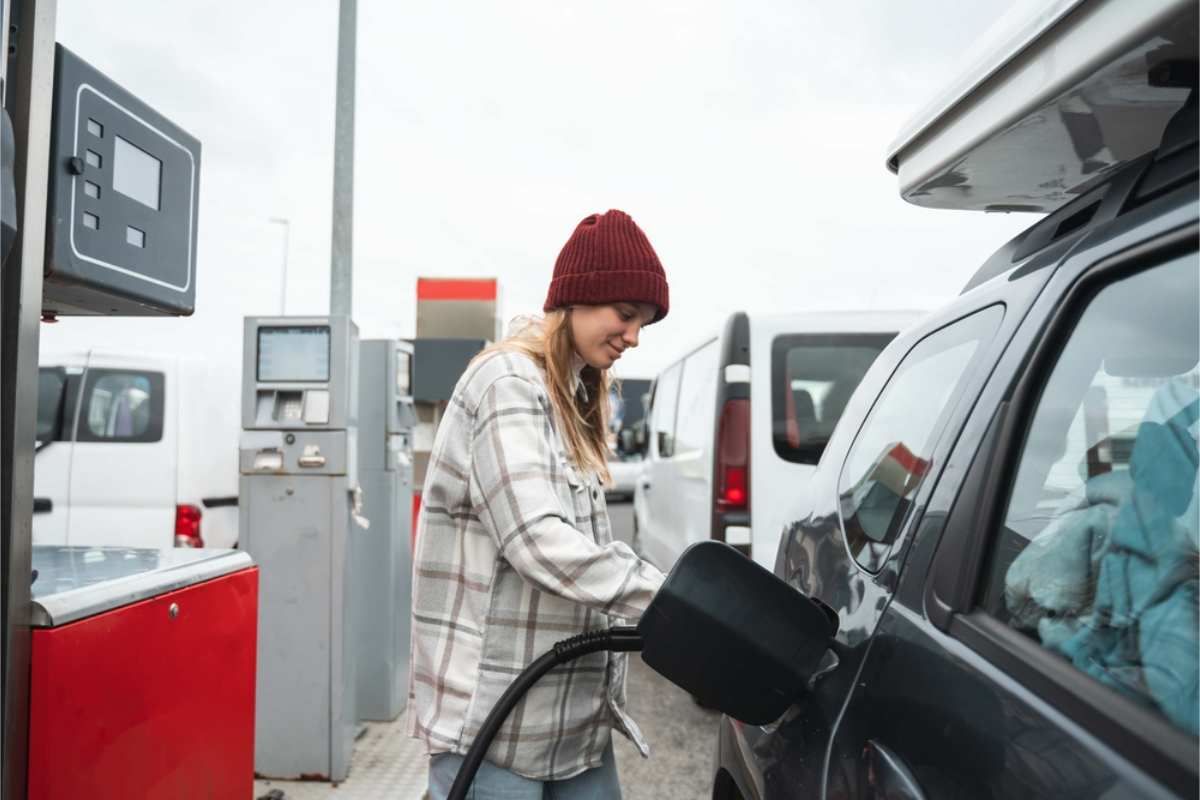
Fuel is one of the few variables that can quietly wreck an Iceland budget trip, but only if you let it. With a bit of planning, it stays predictable. Motorhome Iceland includes a fuel discount card that trims roughly $0.02 to $0.04 per liter at major stations, which adds up faster than people expect over a full loop.
Budget-friendly itineraries work best at 200 to 350 km per day (124 to 217 miles). That pace covers the Golden Circle and South Coast comfortably in 7 to 10 days without burning fuel or energy. Push past 400 km (248 miles) and diesel spend can jump to $80 plus per day, especially when prices sit around $14.60 per liter.
Efficiency comes from boring habits. Plan routes offline to avoid detours. Pack light and keep extra gear under 100 kg (220 lb). Loop regions instead of backtracking. Wind matters more than speed. Winter gusts of 33 to 67 mph (15 to 30 m/s) can add 20 to 30 percent to fuel use.
Best Times of Year to Visit Iceland on a Budget
Pick the right season, and the same campervan, campsites, and groceries suddenly cost a lot less. Let’s show you why:
Comparing Costs: Summer vs Off-Season Campervan Travel
|
Season |
Campervan Cost (USD/day) |
Campsite Cost (USD/person/night) |
|
Summer (Jun-Aug) |
$285-$405 |
$12-$24+ at hotspots |
|
Shoulder (Feb-May / Sep-Oct) |
$95-$200 |
$12-$20 |
|
Winter (Nov-Jan) |
$90-$160 |
$12-$20 |
The takeaway is simple. Summer costs more because demand is out of control. Shoulder season is when prices drop without killing access, which is why it works best for most budget trips. Winter wins on price alone, but only if you are comfortable trading route flexibility and daylight for savings.
Pros and Cons of Each Season for Budget Travelers
|
Season |
Pros |
Cons |
Vehicle Reality |
|
Summer |
Long days, full road access, easiest driving |
Highest prices, crowded sites, limited flexibility |
Basic camper is enough on paved routes |
|
Shoulder seasons |
Cheaper rentals, fewer crowds, services mostly open |
Mixed weather, occasional closures |
Compact camper with heating is ideal |
|
Winter |
Lowest prices, quiet roads, Northern Lights |
Short days, closed routes, weather risk |
Heating and traction matter more than size |
What to Pack to Avoid Extra Expenses in Any Season
Skip clothing rentals entirely. A woman’s or a man’s parka rents for about $5.74 per day. Outdoor pants add $4.86 per day. Hiking boots cost $8.22 per day, per person. City crampons run $1.63 per day, hiking crampons $3.22 per day, and even a child’s coat costs $5.74 per day. Multiply that by days and people, and it stops being cheap. Here’s what we recommend you actually pack:
- Bring proper layers instead: Merino base layers weighing 200 to 400 g (7 to 14 oz), a Gore-Tex jacket and pants at 500 g (1.1 lb) combined, and a fleece mid-layer handle Iceland year-round.
- Clothing replaces paid activities: Three pairs of wool socks, a buff or neck gaiter, and windproof gloves rated to -10°C (14°F) make free hikes realistic in any season. Add a hat and polarized sunglasses for long summer days.
- Bedding saves extras: A silk sleeping liner at 200 g (7 oz) boosts warmth in unheated vans and avoids paying for add-ons later.
- Reusables cut daily spend: A collapsible 1 L (34 oz) water bottle, a 100 g (3.5 oz) titanium mug, a spork, and wet wipes replace constant café stops.
- Basic tools prevent expensive fixes: A tire pressure gauge, 5 m (16 ft) tow strap, headlamp, and multi-tool handle small problems before they become paid ones.
Common Questions About Budget Campervan Travel in Iceland
Is traveling by campervan really cheaper than other options?
Yes, if you replace hotels and tours and cook most meals. It is not cheaper if you overdrive, upgrade vehicles unnecessarily, or eat out constantly.
What free experiences shouldn’t I miss on a campervan trip?
Prioritize geothermal hikes like Reykjadalur or Fosslaug, short waterfall walks, black sand beaches, puffin viewpoints, and canyon trails like Fjaðrárgljúfur or Stuðlagil.
Does traveling outside peak season significantly reduce costs?
Yes. Campervan rentals drop 30 to 50 percent outside summer. Campsites and groceries stay similar. Savings depend on choosing the right vehicle for conditions.
Seeing Iceland on a Budget Thanks to Campervan Travel
Iceland on a budget does not mean cutting corners or pretending the country is cheap. That fantasy falls apart fast. The real win comes from controlling where your money goes.
Campervans do that better than any other setup by combining transport, accommodation, and timing into one decision you can actually manage. At Motorhome Iceland, the focus is practical travel, not hype. Vehicles are matched to routes, seasons, and real budgets, not upgraded for the sake of selling extras.
If you really want to see Iceland on a budget, plan smarter instead of chasing the lowest price tag. Choose the right season. Choose the right camper. Stay flexible when the weather changes. That flexibility saves more money than any discount code ever will.