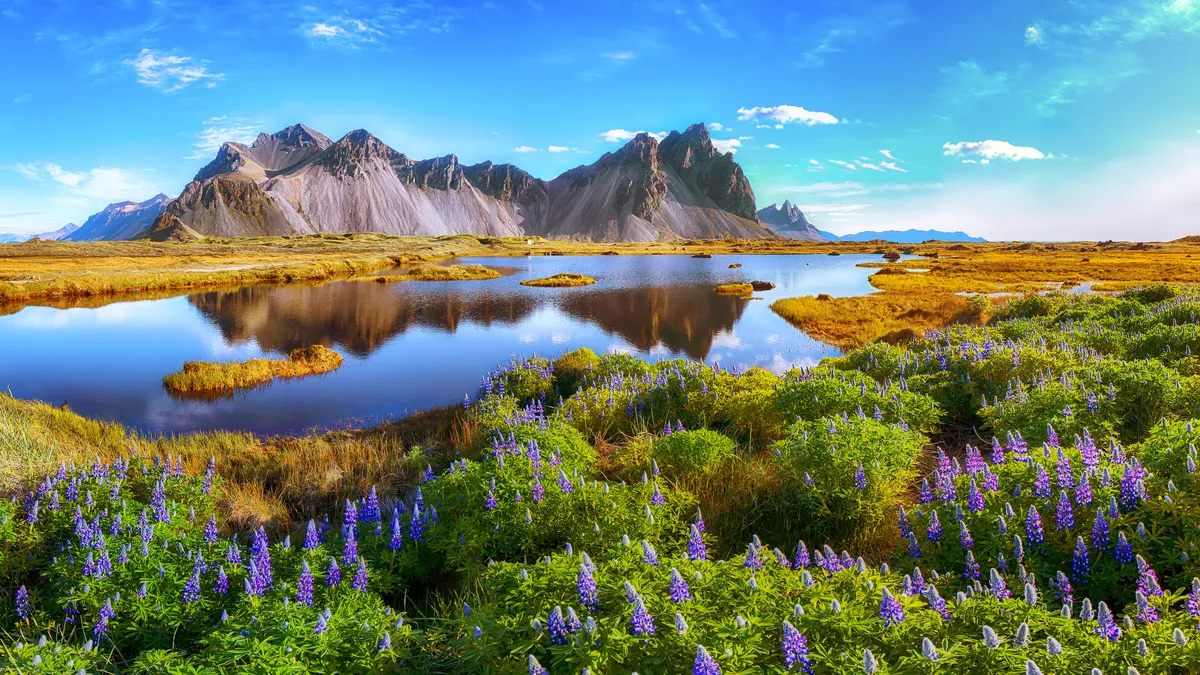
Summer is one of the most popular times to visit Iceland for good reason. You get plenty of daylight, more stable weather, and access to more places than any other time of year. Plus, the chance to really experience Icelandic wildlife. In fact, it’s the only time when all roads are open, and it’s your best chance to reach the Highlands with a 4x4 campervan.
If you’re considering Iceland in July by campervan, this peak season guide will tell you everything you need to know to plan the best trip possible.
Why July Is Peak Campervan Season
July is one of the most popular times for visitors to Iceland, especially those who are interested in seeing the country via campervan. Traveling around Iceland in July with a campervan is one of the best ways to immerse yourself in the experience for a number of reasons. In fact, July is our busiest month. You’ll need to book at least 3-4 months in advance, and remember that automatic transmissions tend to sell out first.
Here’s why this month is so popular for camping in Iceland.
Nearly 24 Hours of Daylight
Iceland’s position along the edge of the Arctic means you get nearly 24 hours of daylight in July, giving you plenty of time to tour the sights. Imagine pulling up to a waterfall in your campervan at 10 pm. You’ll have the place nearly to yourself and get to enjoy the sights under the midnight sun.
Best Road Conditions
July is the best time for safe road conditions. It’s one of the only times when pretty much all roads are accessible, including the F-roads into the Highlands. In fact, it’s the only month you can count on these roads being open. You also won’t have to worry about driving in snowy or icy conditions at this time of year.
Lush Landscapes & Wildlife
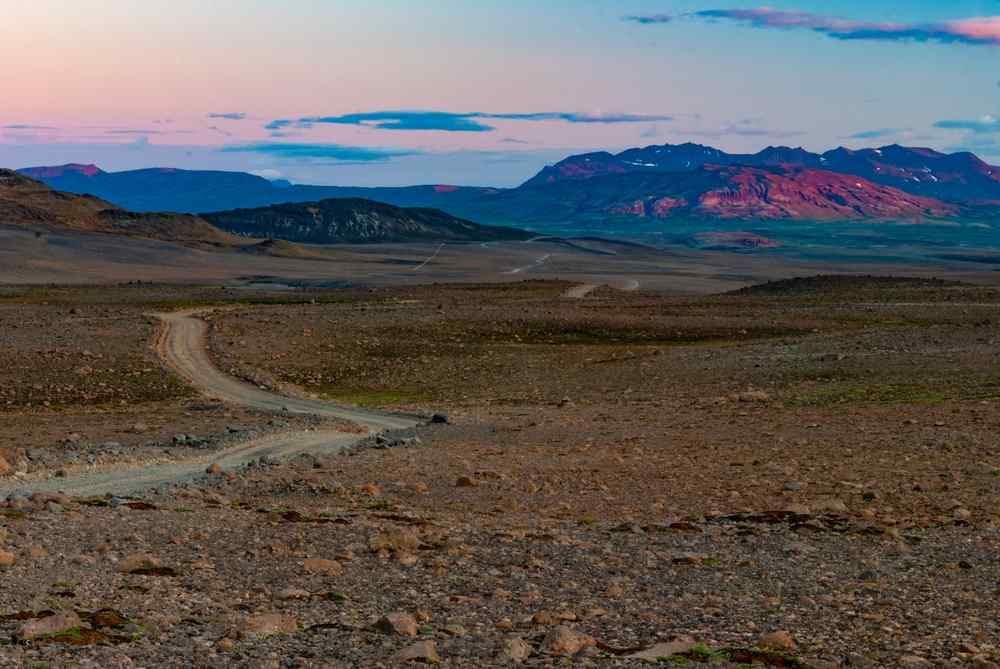
Summer is a time when much of Iceland turns green. From moss-covered lava fields to blooming wild flowers, Iceland gets a splash of color that leads to fantastic photographs. You have a chance of encountering puffins, arctic foxes, sheep, horses, and more as you explore the country.
Fully Open Campsites
Campgrounds around the country are generally open in July, giving you the greatest flexibility to find a nearby campground when you’re ready to settle in for the night. All amenities will be available, including toilets and showers, and many campgrounds have communal kitchens and other features.
Mild Weather
Iceland never gets really hot, at least not what most people think of as a hot summer day. However, July will bring mild, more stable weather, although things can still change quickly. The average temperature is 10–15°C (50–59°F), and July has less wind and rain statistically than other months.
July Weather: What to Expect on the Road
Iceland’s weather can always be volatile, but July has the most stable weather of any month. Iceland’s weather in July is often drier and less windy than in other months, as well as warmer, but don’t expect it to be a tropical vacation. However, you still need to be flexible with your plans because the weather can change rapidly.
Rainfall in Iceland in July
There’s no way to accurately predict how much rain you will experience on your trip, but knowing the average can help you prepare. In July, Iceland has an average of 10 rainy days, but this is rarely all-day rain. Total rainfall on average is about 50 mm (2 inches), making July one of the months with the least precipitation.
Temperature in Iceland in July
The average temperature overall in Iceland in July is between 10 and 15°C (50–59°F). However, temperatures can sometimes reach about 20°C (68°F) on some days. Regional temperature averages can vary, so where you plan to go will affect the temperatures you experience.
|
Region |
Average Temperature |
Notes |
|
Southwest |
9–13°C (48-55°F) |
Mild, windy, moderate rain |
|
South |
10–13°C (50-55°F) |
Wettest region, frequent drizzle |
|
East Fjords |
9–12°C (48-54°F) |
Calm, but variable |
|
North |
9–12°C (48-54°F) |
Drier, often sunnier |
|
Westfjords |
~10°C (~50°F) |
Coolest coastal area |
|
Highlands |
5–10°C (41-50°F) |
Cold, windy, highly unpredictable |
Iceland has many microclimates that can mean significant weather changes within a short distance or time. Unfortunately, most first-time visitors underestimate how much wind affects their driving and don’t consider it in their plans.
Best Campervan Routes for July
July is the sweet spot to experience every corner of Iceland. Whether you’re visiting for a few weeks or only for a few days, you’ll find a campervan route that shows you the best Iceland has to offer. However, don’t forget to build extra time into your itinerary. Distances in Iceland may look short on a map, but they often take longer than expected.
Ring Road
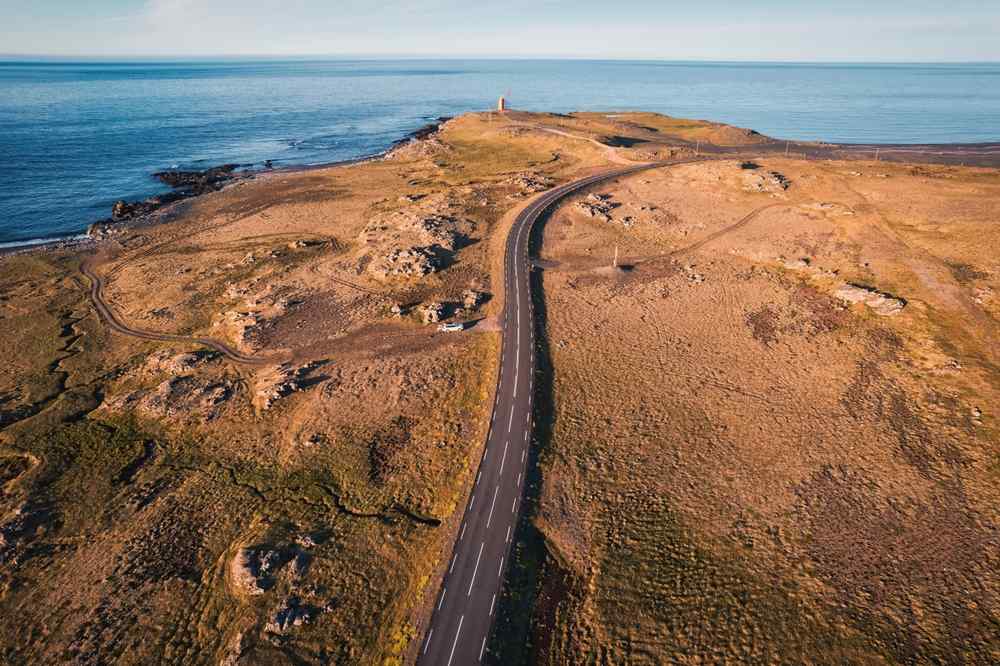
Summer is the perfect time to explore the Ring Road if you have at least 10 days. The roads are fully open with little risk of closure, and it’s easy to drive. It’s perfect for first-time visitors or those who want to explore the country more in-depth. With a campervan, you’ll find many great campsites along the way.
Highlights:
- Seljalandsfoss and Skógafoss
- Jökulsárlón Glacier Lagoon
- Scenic eastern fjords
- Mývatn
- Akureyri
Pros:
- Best mix of waterfalls, glaciers, and volcanoes
- Plenty of campsites
- Great road conditions (mostly paved)
Cons:
- A crowded route, especially on the South Coast
South Coast + Glacier Lagoon
If you only have 3-5 days to explore Iceland in July, the South Coast up to the Glacier Lagoon is an excellent use of your time. Whether you choose one base location or stay in several campgrounds along the way, you’ll find beauty at every turn.
Highlights:
- Seljalandsfoss and Skógafoss
- Reynisfjara
- Vík í Mýrdal
- Skaftafell National Park
- Jökulsárlón Glacier Lagoon
Pros:
- Easy driving
- Stunning views wherever you look
Cons:
- Wettest and busiest region
Snæfellsnes Peninsula
Two to three days is the perfect amount of time to explore the Snæfellsnes Peninsula. This part of the country is sometimes referred to as a miniature Iceland because it has all the features Iceland is known for packed into one small area.
Highlights:
- Kirkjufell
- Snæfellsjökull
- Djúpalónssandur
Pros:
- Less crowded than the South
- A short, easy loop
Cons:
- Can be windy
The Highlands
The Highlands are a great place to have an adventure of a lifetime. If you rent a 4x4 campervan, which is required for driving on F-roads, you can experience these remote regions of the country for yourself. July is the only time for a snow-free experience with unique rhyolite mountains and remote hot springs.
Highlights:
- Landmannalaugar
- Askja
- Kerlingarfjöll
Pros:
- Least crowded, most adventurous
- Unreal scenery
Cons:
- River crossings and rough roads
Westfjords
The Westfjords require several days to explore properly. We recommend taking at least three days in this part of the country. This is a more remote area of Iceland with untouched landscapes and few tourists.
Highlights:
- Dynjandi
- Látrabjarg
- Ísafjörður
Pros:
- Quiet, wild, scenic
- Ideal for slow travel
Cons:
- Long driving distances on mostly gravel roads
North Iceland
North Iceland is generally less crowded than the South, even in the heart of summer. This region also tends to be drier and sunnier, giving you less chance of rain spoiling your plans. Exploring this region requires 3-5 days.
Highlights:
- Mývatn geothermal area
- Dettifoss and Goðafoss
- Whale watching in Húsavík
Pros:
- A relaxed pace
- Unique volcanic landscapes
Cons:
- Requires a long drive north first
Choosing Your Route
In short, the number of days you have will dictate which route or routes are best for you:
- 10+ Days: Choose the Ring Road
- Short Trip: Focus on the South Coast and/or Snæfellsnes Peninsula
- Prefer Adventure: Consider the Westfjords or the Highlands
- Improve Weather Odds: Visit North Iceland
Top Things to Do from Your Campervan
Visiting Iceland in July with a campervan gives you more freedom than other types of trips. You can visit sights at odd hours with plenty of daylight and fewer tourists. You can add spontaneous stops without worrying about making it to a hotel on time. If the weather changes, you can go somewhere else instead. Here are our favorite things to do in Iceland in July:
Go Hiking to See the Sights
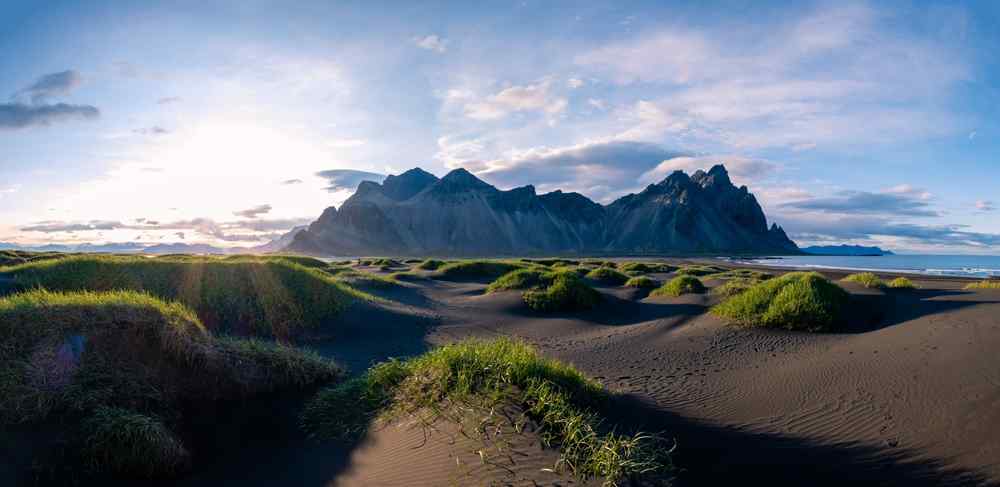
Iceland is filled with fantastic hikes that take you to unbelievable sights. With endless waterfalls, black sand beaches, canyons, mountains, and glaciers, you’ll experience breathtaking views at every turn. Hikes are available for every skill level.
Ride Icelandic Horses
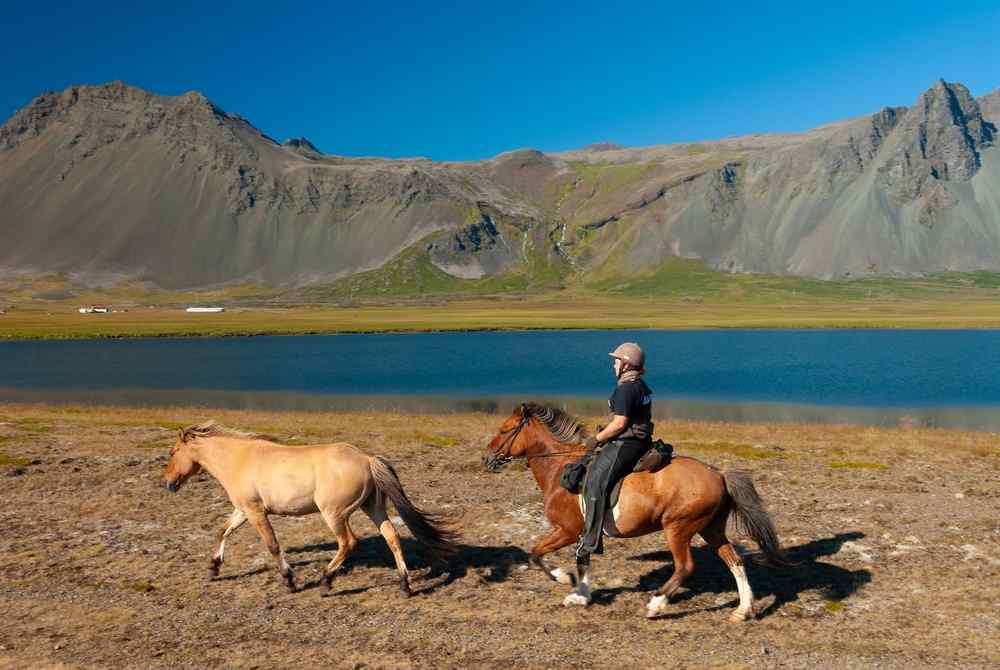
The Icelandic horses are a unique breed. They’re small but mighty, built to handle the rough terrain and harsh weather conditions. Riding them is a magical experience. You may even get to experience their unique gait, the tölt, which offers a quick, but smooth ride.
Soak in the Hot Springs
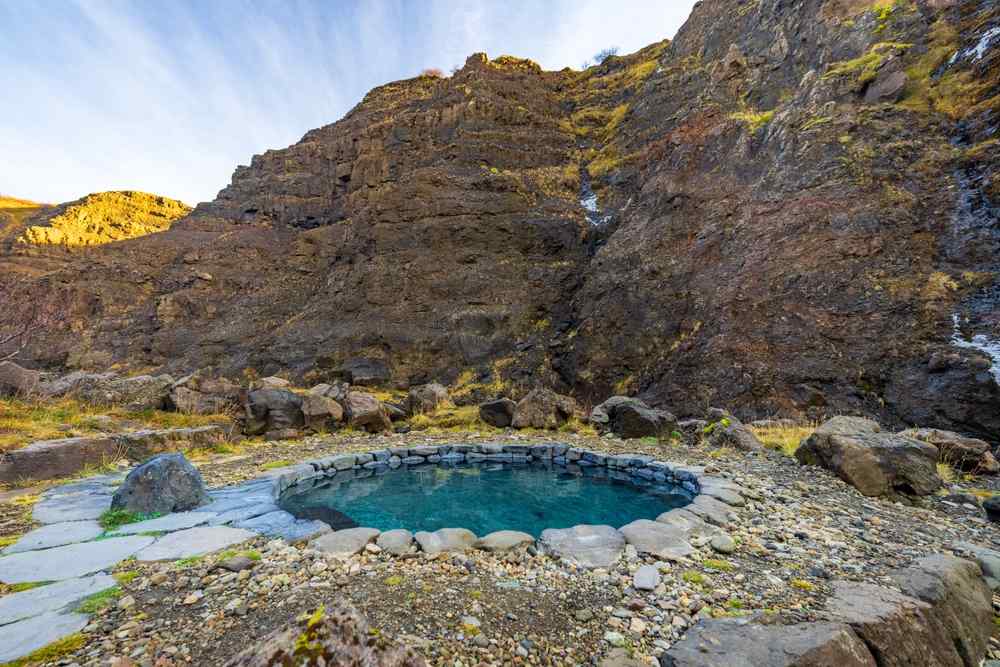
Hot springs can be found all over Iceland. Some are smaller, remote, and completely free. Others have been transformed into lagoon experiences that cater primarily to visitors. All of them are fed by geothermally heated water sourced deep down. Imagine soaking in a geothermal pool under the midnight sun or surrounded by lush greenery.
Venture into the Highlands
If you rent a 4x4 campervan, you open the door to Iceland's remote areas. The F-roads are open, and July is the only month you can realistically plan a complete Highlands campervan route without worrying about whether they will be open.
Explore the City
There’s always something to see in Reykjavík, from museums and shows to shops and restaurants. The downtown area is walkable and has something for everyone. You can even find walking tours to show you parts of the city you may otherwise miss out on. The city is always worth exploring for at least a day.
Take Unexpected Detours
Many visitors make the mistake of simply following the main road, stopping only at what they see. Visiting Iceland in July means most, if not all, roads are open and ready for your exploration. Don’t be afraid to take those detours to discover the true hidden gems that no one talks about.
Enjoy the Festivals
Summer is a busy time in Iceland with numerous festivals scheduled. There are several in July that we recommend checking out if you’ll be in the area:
- Folk Music Festival: The Folk Music Festival takes place in Siglufjörður in early July. It’s a cultural event that focuses on traditional Icelandic music and folk dances. Courses and lectures are also on the schedule.
- Bræðslan: Bræðslan is a music festival that happens at the end of July in Borgarfjörður Eystri. The event attracts local and international talent, highlighting the connection between music and nature.
- Eistnaflug: Eistnaflug is a rock and metal music festival held during the second weekend in July in Neskaupstaður in eastern Iceland. It’s three days of non-stop rock and metal music.
Campsites in July: Peak Season Tips
In July, you can expect most campsites to be open with full amenities available. This means you’ll have plenty of options as you make your way around the country. Renting a campervan gives you the most flexibility for your journey, even when visiting at the busiest time of the year. While you won’t need to plan your stays precisely, there are some tips to follow to help you secure a spot during peak season.
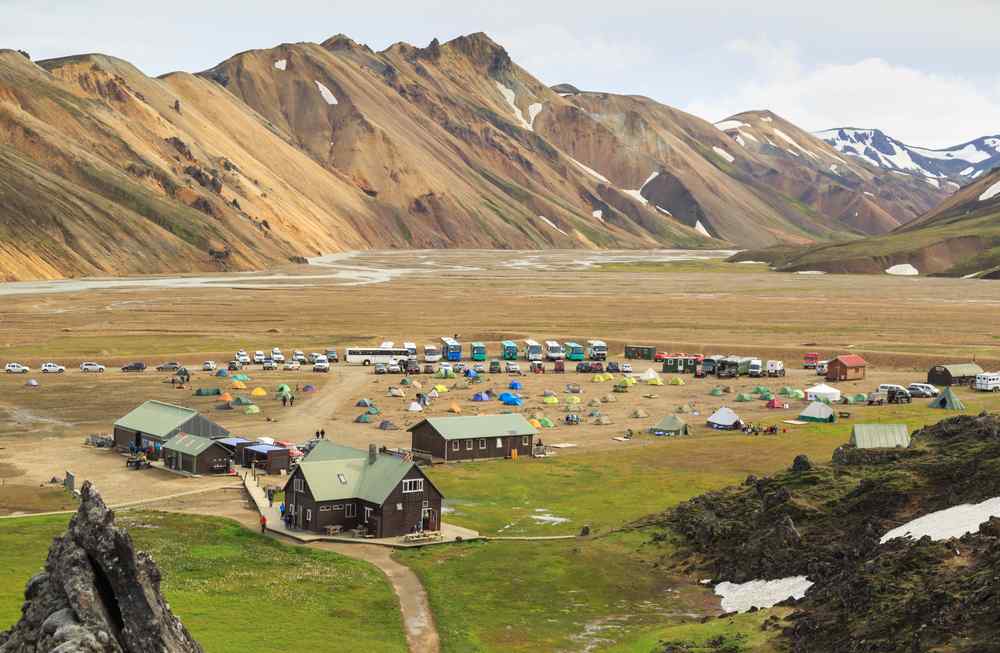
- Arrive early, before 5 pm. Early arrivals can guarantee that you find a suitable spot for your campervan. If you arrive later, you may find it more challenging to get a spot. Most campgrounds won’t reach capacity, but prime spots will be gone.
- Always have a backup plan. Have a list of 2-3 campgrounds in any given area, so you have options when you arrive. If you can’t find a suitable place at one campground, the next one is never far away.
- Consider the camping card. If you’re spending a longer period in Iceland, you can save money on your stays with the Camping Card. This card offers up to 28 nights in around 20 campgrounds throughout the country. However, it generally isn’t worth it for shorter stays. Check which campgrounds are included before committing.
- Follow the camping rules. Iceland has strict camping rules, especially when traveling in a campervan. Wild camping is strictly prohibited. You must stay in designated campgrounds overnight unless you have explicit permission from the landowner.
- Weather-proof your setup. Choose a spot that’s sheltered from the wind if possible. Locate the indoor spaces to get out of the rain if needed.
- Check for electricity and amenities before arriving. Not all campgrounds are created equal. Be sure you know which ones offer electric hookups and other amenities like hot showers, communal kitchens, and laundry machines.
- Leave no trace. Above all, leave no trace in nature. Properly dispose of your trash, and only use dump stations. Stay on marked trails, and don’t drive off marked roads.
How to Beat the Crowds with a Campervan
A campervan in July is one of the most effective ways to beat the crowds and enjoy a little quiet in an otherwise crowded month. With careful planning and a few adjustments to your itinerary, you can beat the crowds and get the most out of your Iceland trip.
- Visit sights later in the day. Tour buses are generally done by the middle of the afternoon. Consider visiting the most popular sights in the evening instead, making the most of the midnight sun while eliminating the crowds.
- Detour off the main roads. Rent a 4x4 campervan and turn away from the main roads. You’ll be surprised at the places you’ll encounter when you take the time to really explore.
- Choose campgrounds strategically. Campgrounds close to popular sights fill up quickly. However, if you choose campgrounds that may require a little extra driving, you may find them less crowded. These campgrounds often have breathtaking scenery, too.
- Embrace rainy weather. A lot of visitors look for things to do inside or go somewhere else if it’s raining. If you have waterproof gear or don’t mind getting a little wet, you can enjoy sights with fewer crowds.
- Prioritize the East and North. The West and South are the more popular areas for tourists. Once you reach the East or North, you’ll experience less traffic with equally stunning sights.
- Travel like a local. Locals rarely explore their country with a strict itinerary in mind. Instead, they go where the road takes them and follow the weather. Adjust your plans based on conditions and use your campervan to maximize your flexibility.
What to Pack for a July Campervan Trip
Packing for a campervan trip in July may start the same as any other trip, but it requires a little careful planning to maximize your limited space while making sure you have everything you need. Here’s what we suggest packing for your July campervan trip:
Clothing
Layering is key for Icelandic weather conditions, even in the heart of summer. July temperatures can still be quite chilly, so it’s best to be prepared. You will need:
- Moisture-wicking base layers
- Warm fleece or wool mid layers
- Waterproof, windproof outer layers
- A lightweight insulated jacket
- A warm hat and gloves
- Quick-dry hiking pants
- Leggings or thermals for chilly evenings
- Swimsuit
Footwear
Summer trips generally mean lots of hiking. That means you’ll need supportive, waterproof hiking shoes or boots with good tread. You may also want to pack a comfortable pair of sneakers for exploring the city or towns, and perhaps flip flops or sandals for the lagoons and hot springs.
Campervan Essentials
Our campervans come with plenty of extras and add-on options, but there are some things you should pack for yourself to make the journey more comfortable:
- Sleeping bag or blankets if desired
- Extra pillows if desired
- A sleeping mask for the bright nights
- Earplugs if noise bothers you
- A power bank and car charger for electronics
- Reusable utensils and containers
- A reusable water bottle
- Headlamp or flashlight
- Small backpack for day hikes
- Packing cubes for organization
Toiletries
Staying in hotels often gives you the advantage of supplied toiletries, but a campervan often means bringing your own. We recommend packing:
- A toiletry tote for transporting items to/from the showers
- Wet wipes and hand sanitizer
- Sunscreen
- Lip balm
- A basic first aid kit
Avoid Packing
Campervans tend to have limited storage space, so you should avoid packing things you won’t need along your journey. Heavy winter coats aren’t needed in July. Instead, pack layers. Fancy clothes and too many shoes are another mistake we see people make. Dining out is casual, and you can generally wear just one or two good pairs of shoes for your entire trip.
July vs. August: Which Month?
Are you still trying to decide whether to visit Iceland in July or wait until August? You can check out our August guide and the chart below to help you make an informed decision that works for you.
|
Category |
July |
August |
|
Temperature |
8–14°C (46–57°F), warmest month |
7–13°C (45–55°F), slightly cooler |
|
Daylight |
18-21 hours, midnight sun |
14-18 hours, nights return late in the month |
|
Crowds |
Very busy, peak season |
Still busy, peak season (extra eclipse traffic in 2026) |
|
F-Road Access/Highlands |
Fully open, best conditions |
Still open, but may close later in the month, wetter conditions |
|
Northern Lights |
Not visible |
Possible in late August |
|
Prices |
High, peak pricing |
High, sometimes lower in late August |
|
Special Events |
A few music festivals |
2026 solar eclipse, Culture Night, Pride Week, Merchant’s Weekend |
|
Rainfall |
~50-52 mm, relatively drier |
~60+ mm, wettest summer month |
In short, you should choose July if you prefer:
- Maximum daylight
- Best road and weather stability
- Easier logistics for long driving days
July is perfect for first-time trips and completing the full Ring Road.
You should choose August if you want:
- Slightly lower crowds (with the exception of the weeks around the 2026 eclipse)
- A chance of the Northern Lights
- A chance to see the 2026 solar eclipse
August is the ideal time for repeat visitors or photographers.
Frequently Asked Questions
Below are some of the questions our customers often ask about visiting Iceland in July with a campervan.
Do I need to book campsites in advance in July?
July is peak season, but most campsites operate on a first-come, first-served basis. Some of the most popular sites do allow reservations. These can often be found on the Parka app. Otherwise, you don’t need to pre-book, but we do recommend arriving early.
How do you pay at campsites?
Many campsites accept card payments either through QR codes posted at the campground or via card readers. Some campgrounds offer self-check-in machines, while others have staff who come around to collect payments.
Are showers free at campgrounds?
Some campgrounds include showers in the nightly fee, but others may require extra payments for showers. Some are coin-operated, and some take cards. Check tjalda.is or ask the staff.
Are there any roads I should avoid in a campervan?
It depends on which campervan you choose. F-roads in the Highlands require a 4x4 with proper clearance. If you want to drive on these roads, ask us which campervan is necessary. A standard campervan is allowed on all primary and most secondary roads aside from the F-roads.
Can I park overnight at scenic spots?
No, Iceland has strict wild camping rules for camping vehicles. You must stop for the night in a designated campground. The good news is that many campgrounds are quite scenic, so you can enjoy the popular tourist spots during the day and the Icelandic countryside from your campsite at night.
Enjoy the Ultimate Freedom with a Campervan in July
Choosing Iceland in July means enjoying a trip filled with plenty of daylight to see the popular sights and adventure off the main routes to explore even deeper. There’s plenty to see and do, and when you rent a camper, you get the ultimate flexibility to get lost among the mountains, glaciers, volcanoes, and waterfalls.
July is the only time you can confidently plan a full campervan trip, including the Highlands, without compromise. It’s the perfect time for camping your way around the country for a once-in-a-lifetime experience. But don’t wait; book early to get the lowest prices and the best availability.