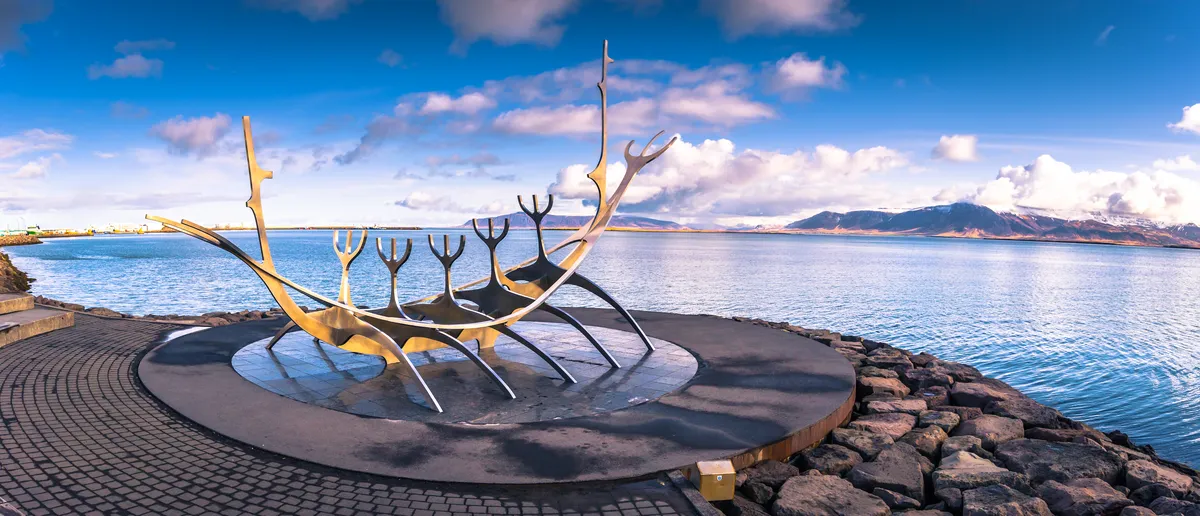
If you’re planning to come to Iceland in May, this is the sweet spot. You avoid peak summer crowds, skip winter conditions, and still get 18 to 21 hours of daylight to actually use your days. Prices also drop by 20 to 30% compared to peak season, which makes a noticeable difference once you start booking.
This is where a campervan starts to make real sense. Campsites reopen, and the main routes are easy to drive. There’s one trade-off. The Highlands are still closed, so no F-roads yet. For most people, that doesn’t matter.
Here’s what you actually need to know. Real weather by region, how driving feels in May, how to plan your campervan setup, and what the full trip will cost once you stop guessing.
Driving Conditions in May for Campervan Travelers
Driving in May is straightforward if you stick to the Ring Road and main regions. If you plan to rent a campervan for May, expect mostly easy conditions with a few early-season limits.
Route 1 is fully open and remains the safest backbone route across the country. West, South, and most of the North are simple to navigate. Some gravel sections still show up, especially in the north and Westfjords, so adjust speed accordingly. F-roads are closed, so no Highlands access regardless of vehicle type.
Check Umferdin.is and Vedur.is daily. Distances add up fast, often 200 to 300 km (124 to 186 miles) per day. Our fleet availability also increases in mid-May as winter maintenance wraps up.
Suggested 7-Day Campervan Route for May
This is a realistic 7-day loop for Iceland in May. It follows the Ring Road and avoids F-roads.
Day 1 - Reykjavík to Golden Circle
- Golden Circle route: Þingvellir, Geysir, Gullfoss
- Around 116 km (72 miles)
- Easy start with fully paved roads
- Use this day to adjust to campervan size, braking distance, and parking
- Campsites open in this region by May, no pressure to pre-book
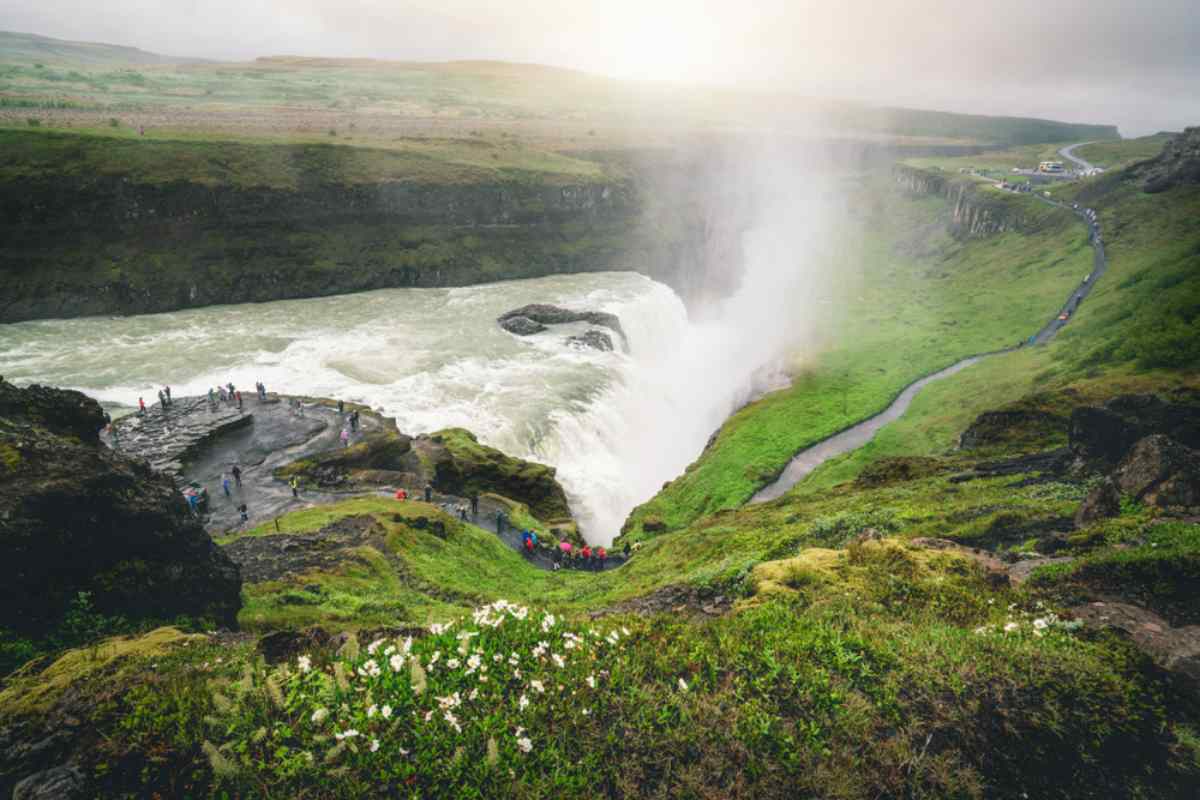
Day 2 - South Coast to Vík
- South Coast route: Seljalandsfoss, Skógafoss, Reynisfjara black sand beach
- Around 180 km (112 miles)
- One of the easiest driving days with constant roadside stops
- Watch for wind near the coast, especially when opening doors
- Fuel and food options are reliable along this stretch
Day 3 - Vík to Jökulsárlón
- Skaftafell, glacier tongues, Jökulsárlón glacier lagoon, Diamond Beach
- Around 196 km (122 miles)
- Fewer towns, so plan fuel in advance
- Flat, open roads with exposure to crosswinds
- Long daylight means you can spread stops without rushing
Day 4 - East Fjords
- Coastal drive through Djúpivogur, Breiðdalsvík, and Fáskrúðsfjörður
- Optional detour to Seyðisfjörður if conditions allow
- Around 280 km (174miles)
- Narrower roads with some gravel sections, especially along fjord edges
- Slower average speeds, expect longer drive time than distance suggests
- Limited fuel stations, fill up before leaving Höfn or early along the route
- Fewer crowds, but also fewer services, so plan food and stops ahead
Day 5 - North Iceland
- Lake Mývatn area: geothermal fields, pseudo craters, lava formations
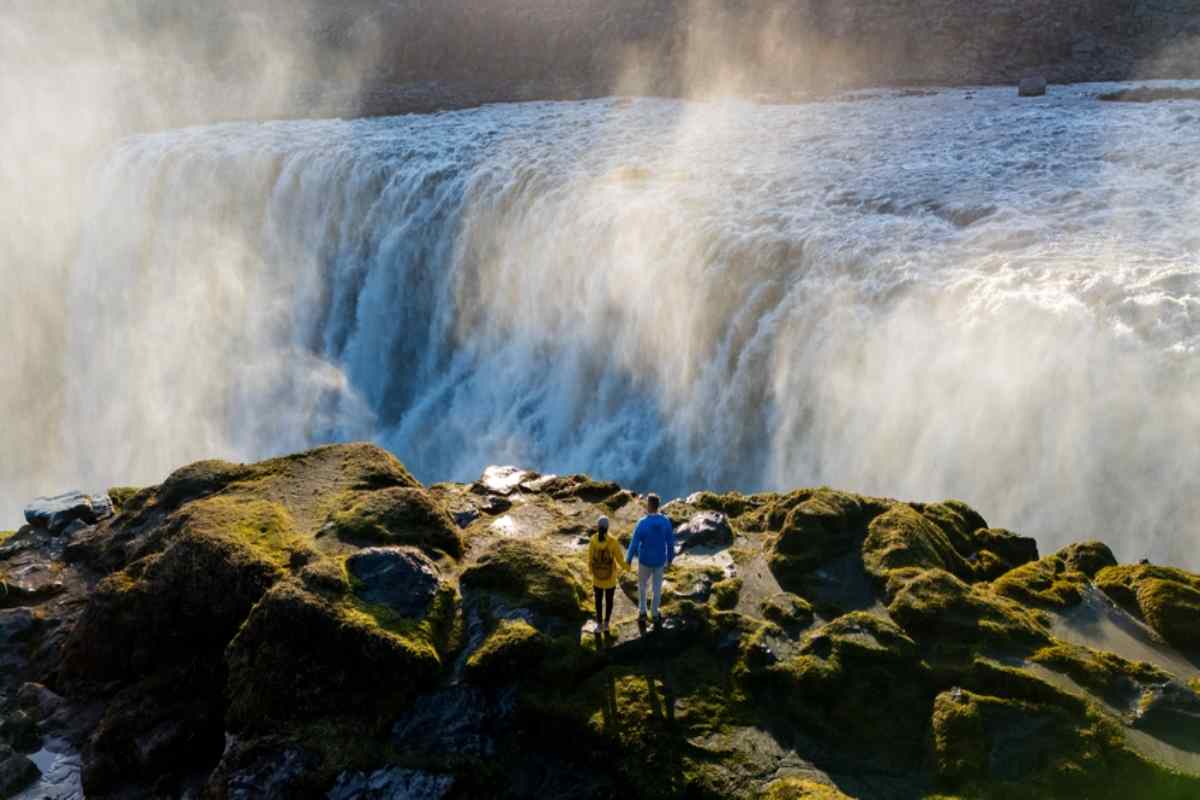
- Dettifoss, if conditions allow, rougher access roads in early season
- Goðafoss waterfall on the way between Akureyri and Mývatn, quick stop right off Route 1
- Around 230 to 250 km (143 to 155 miles)
- Roads are mostly paved with occasional rough patches
- Cooler temperatures than the south, expect wind and lower night temps
- Less traffic overall, easier campsite access, and parking
Day 6 - Akureyri to West Iceland
- Start in Akureyri, refuel, and stock up before leaving
- Optional morning whale watching tour from Akureyri harbour, one of the most reliable areas in Iceland
- Drive west along Route 1 through Blönduós and Hvammstangi
- Optional detour to Hvitserkur rock formation, adds time, but worth it if conditions are good
- End in Borgarnes or nearby campsites in West Iceland
- Around 300 km (186 miles), expect a full driving day
- Roads are paved and straightforward, but wind exposure increases on open plains
- Fewer major stops, so plan breaks and food ahead
Day 7 - Return to Reykjavík
- Borgarnes for a quick break or food stop
- Hraunfossar and Barnafoss waterfalls, short walks, low effort, worth it
- Optional stop at Deildartunguhver hot spring if you want something quick
- Detour to Blue Lagoon or Sky Lagoon near Reykjavík if you want a proper end-of-trip soak
- Around 70 to 130 km (44 to 81 miles) depending on route
- Easy final stretch with good roads
- Keep buffer time for drop-off, cleaning, and fuel refill
Iceland Weather in May (What to Actually Expect)
You’ll deal with changing conditions, but nothing that blocks a proper road trip. This is still the most practical window for a campervan if you want long days, open routes, and fewer restrictions. Let’s dive deeper.
May Weather by Region
|
Region |
Avg High (°C) |
Avg Low (°C) |
Rainfall (mm) |
Daylight Hours |
|
Reykjavík / Southwest |
7-11 |
3-6 |
40-60 |
17-21 hrs |
|
South Coast (Vík area) |
6-10 |
3-5 |
60-90 |
17-21 hrs |
|
North (Akureyri) |
7-12 |
2-5 |
25-40 |
18-22 hrs |
|
East Fjords |
6-10 |
2-5 |
40-70 |
18-22 hrs |
|
Highlands |
Not accessible |
Not accessible |
N/A |
N/A |
What May Weather Feels Like on the Road
May driving feels manageable, but it doesn’t stay consistent for long. You can start in clear sun and hit rain or wind within the same hour, so you stay alert.
Evenings drop to around 2 to 6°C (36 to 43°F), so you feel it once you stop moving. Early May mornings can still bring frost in the North and East.
Daylight Hours and Why It Changes Everything
Daylight is what makes May work. You get 18 to 21 hours of usable light, which removes most of the usual time pressure.
You’re not rushing between stops or cutting days short. If the weather shifts or you take a wrong turn, you have time to recover without reworking the whole plan. Driving 250 km (155 miles) in a day feels manageable, not forced.
By late May, you’re close to midnight sun conditions, with near 24-hour daylight just weeks away.
Rain, Wind, and Road Impact
Rain in Iceland in May is common, but usually short. Expect light showers lasting 1 to 2 hours. That’s enough to make gravel sections in the North and East slick, so slow down to around 50 km/h (31 mph) on wet surfaces.
Wind is the bigger problem. Gusts can hit 15 to 40 m/s (34 to 90 mph), especially near Vík and open fjords, which affects stability. After rain, loose gravel becomes more noticeable on Route 1 in certain areas.
No snow on main roads, but wet and windy conditions still demand proper control if you want a comfortable drive.
What to Pack for a Campervan Trip in May
Pack for changing conditions, not just the forecast, because you will deal with all of it.
Clothing Essentials
- Waterproof breathable jacket and pants (Gore-Tex ideal)
- Merino wool base layers, fleece mid-layer, wool socks (3 to 5 pairs)
- Warm hat, gloves, buff or scarf, swimsuit
Footwear and Accessories
- Waterproof hiking boots with grip
- Flip-flops
- Quick-dry towel, reusable water bottle
- Daypack with rain cover, sunglasses, eye mask
Campervan Gear
- Extra blankets or padding
- Headlamp, multi-tool, zip-lock bags
- First-aid kit, snacks, thermos, power bank
Is Camping in Iceland Expensive?
Yes, camping in Iceland is cheaper than hotels, but it’s still expensive compared to most of Europe. You’re paying for basics at a higher baseline, and vehicle rental is where costs climb quickly. It becomes expensive when you choose a large, high-end motorhome in peak summer or rely on paid extras like electricity and showers at every stop.

How Much Does Camping in Iceland Cost in 2026?
Camping in Iceland sits in the mid-range. May is slightly cheaper, but the structure stays the same. You’re paying per person, per night, and location matters more than people expect.
Average Cost Per Night at Iceland Campsites
- Expect $14 to $32 per person, per night
- South Coast areas like Vík and Jökulsárlón sit at the higher end
- North Iceland is slightly cheaper with more space
- Remote areas drop in price but offer fewer facilities
What’s Usually Included in Campsite Fees
- Campervan parking spot
- Toilets and basic facilities
- Fresh water and waste disposal
- Larger sites may include kitchens and Wi-Fi
Extra Campsite Costs (Showers, Electricity, Laundry)
- Showers are paid and time-limited
- Electricity costs extra per night
- Laundry is only available at larger sites
- Expect to spend 20 to 50% more once extras are included
Full Cost Breakdown for a Campervan Camping Trip in Iceland
A 7-day Ring Road trip will not be cheap. You’re combining transport and accommodation into one cost, which is where the real savings come in.
Campervan Rental Costs by Season
- May sits below peak summer pricing
- Prices increase toward late May as demand rises
- Booking early gives better vehicle choice and coverage options
Campsite Fees by Season and Region
- Expect roughly $200 to $365 total for a 7-day trip
- The South Coast is more expensive, especially around Vík and Jökulsárlón
- North and East Iceland are cheaper, but more basic
- Your route matters more than your duration
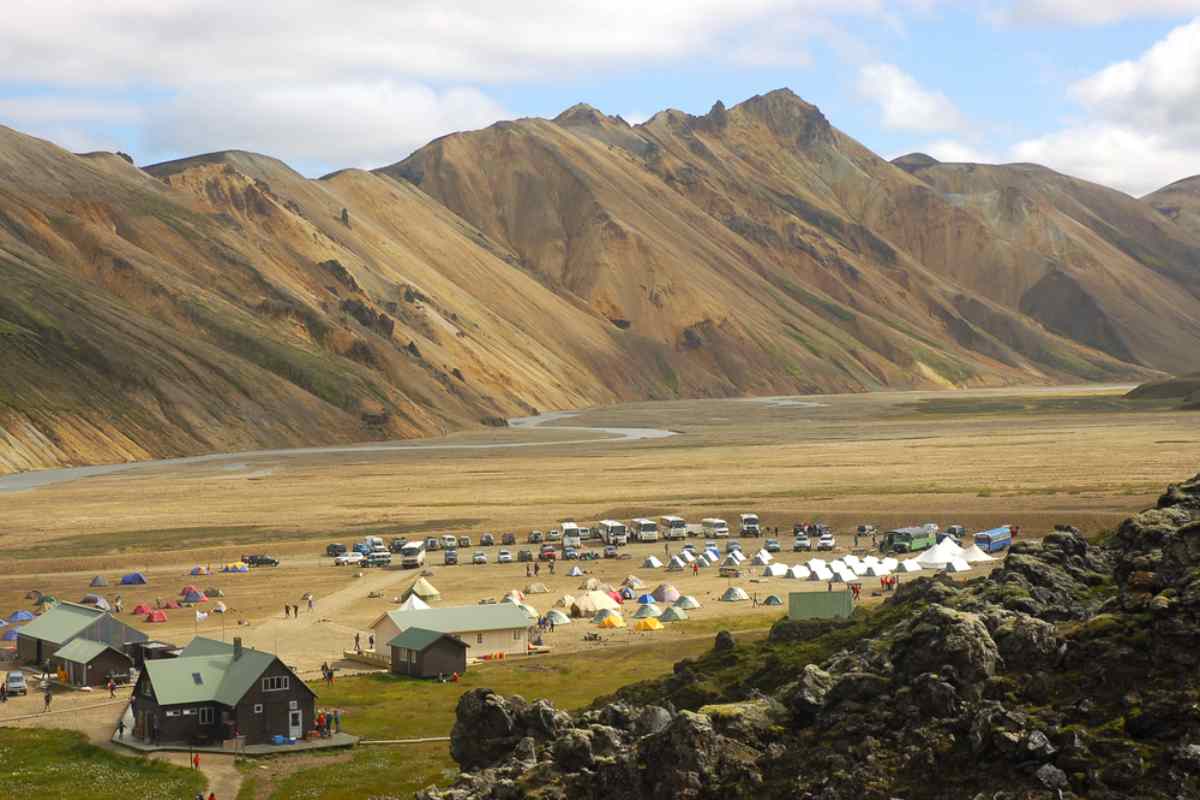
Fuel Costs and Driving Budget
- Gas prices in Iceland are around $3.50 to $4.00 per liter of diesel
- A full 7-day Ring Road trip can cost around $1,100 to $1,450 in fuel, depending on distance and vehicle
- Plan fuel stops every 200 km (124 miles), especially in remote areas
- Wind and gravel roads can increase consumption by 10 to 15%
Food and Grocery Costs for Camper Travel
- Expect around $200 to $325 per week if you cook most meals
- Supermarkets like Bónus and Netto are the standard go-to
- Cooking in your camper cuts costs by up to 50% compared to eating out
- Stock up in Reykjavík, where selection and pricing are better
Paid Activities vs Free Stops Along the Route
- Most of the route is free: waterfalls, beaches, viewpoints, geothermal areas
- Paid experiences range from $80 to $240 per person
- Limit to one or two paid activities if you want to keep the budget under control
Hidden Camping Costs in Iceland Most People Miss
These are the costs that quietly push your budget up by 20 to 30%. Not the big items. The small ones you repeat every day.
Insurance and Camper Add-Ons
- Gravel and wind damage cover add roughly $35 to $70 per day, depending on coverage
- May still brings strong winds and loose gravel on main routes
- Skip extra coverage, and you risk deductibles that can exceed $700
Parking Fees and Tunnel Costs
- Reykjavík parking costs about $2 to $4 per hour during the day
- The Vaðlaheiði tunnel in the north costs around $15 to $20 one way
- Free overnight parking is limited, especially in towns
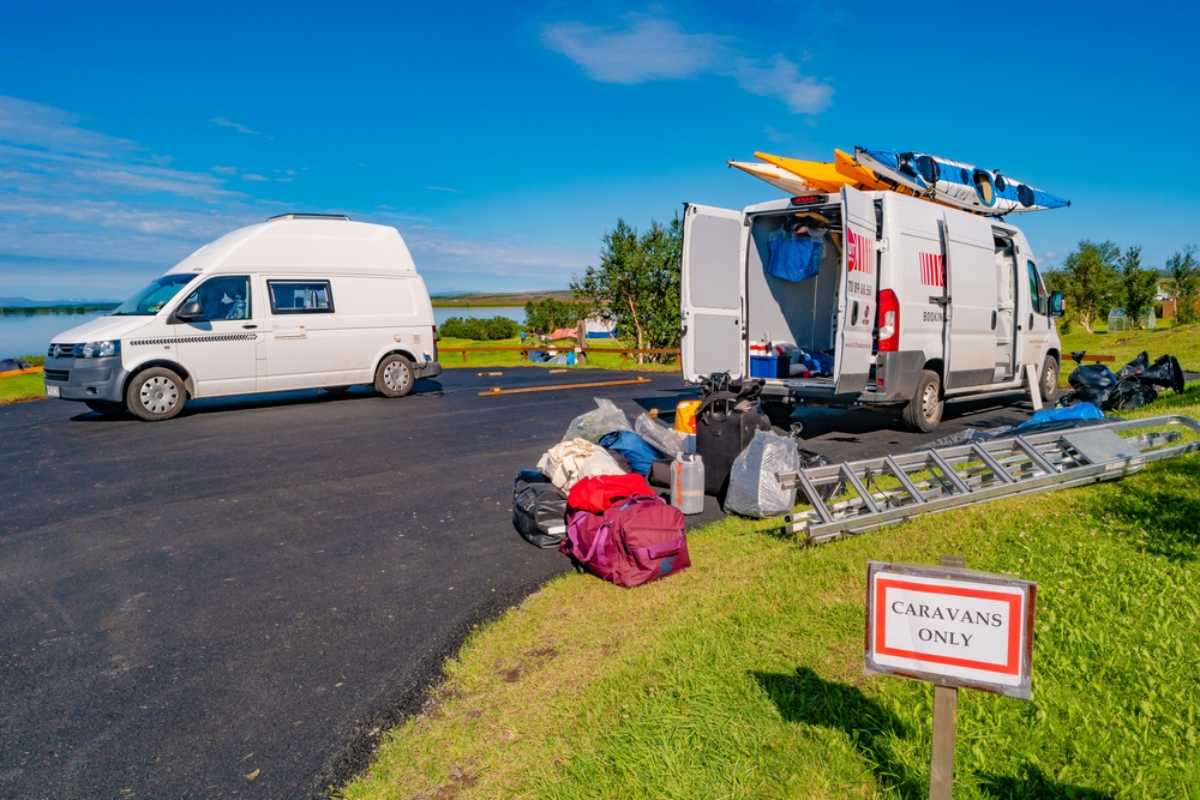
Toilets, Showers, and Laundry
- Public toilets cost around $1.50 to $2 per use outside campsites
- Showers typically cost $4 to $8 for a few minutes
- Laundry runs about $10 to $18 per cycle
- These small costs can add $20 to $40 over a week
Wi-Fi, SIM Cards, and Connectivity
- Campsite Wi-Fi can cost $4 to $8 per day and is not always reliable
- SIM cards with data typically cost $25 to $40
- Power banks are essential if you rely on your phone for navigation
Campervan vs Car and Hotels: Which Option Costs Less in Iceland?
If you’re comparing options, it comes down to how you structure your trip. A campervan combines transport and accommodation into one cost. This section breaks it down properly.
Weekly Cost Comparison
- Campervan + Campsites: expect roughly $2,000 to $3,250 for a 7-day trip as a couple
- This bundles rental, campsites, fuel, and food into one combined cost
- May pricing sits about 15 to 25% lower than peak summer
- Car Rental + Hotels: expect roughly $3,650 to $5,700 for the same trip
- The car itself is cheaper, but hotel costs drive the total up quickly
- May savings are smaller here, around 10 to 20%
- Campervans typically save 40 to 50% by removing hotel costs
- In peak summer, that gap increases as accommodation prices rise sharply
When a Campervan Is the Better Value
Choosing a camper in Iceland makes more sense when flexibility matters. You can change your route based on the weather without losing money on bookings. If the South Coast is too windy, you simply go somewhere else.
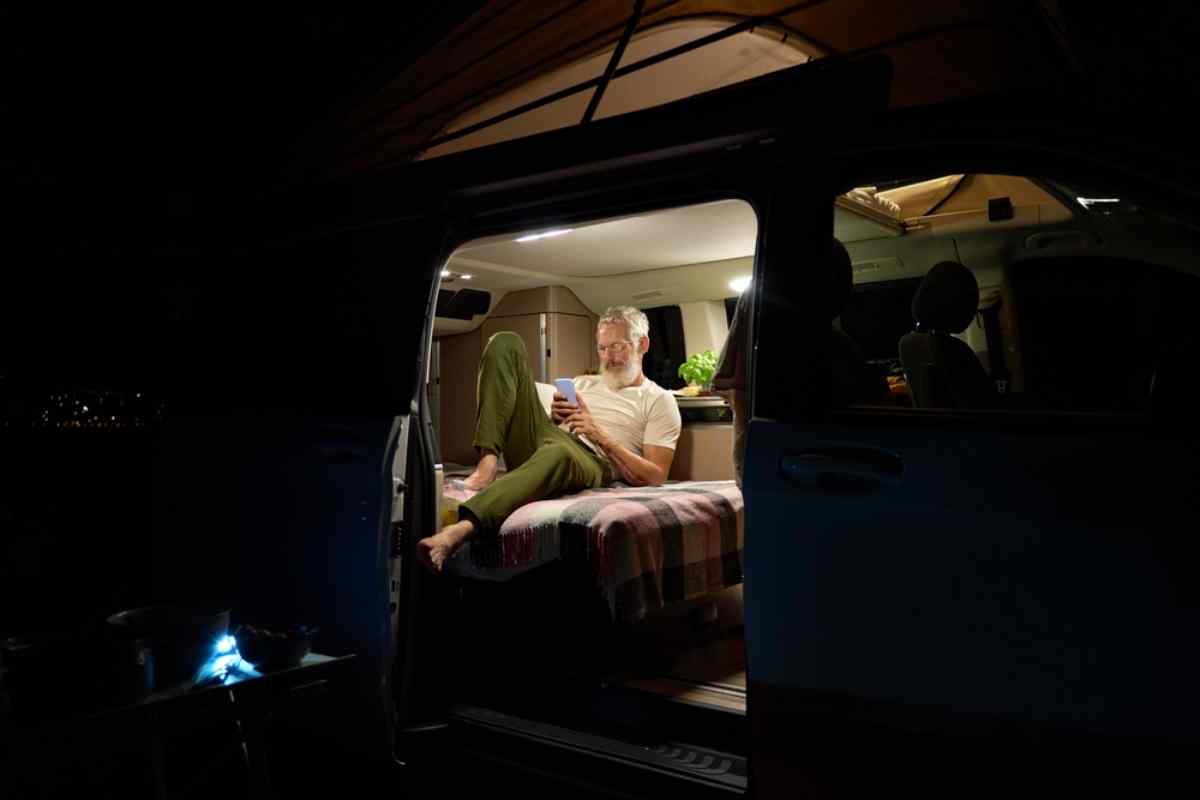
It also works better for multi-stop trips. Covering the Ring Road, about 2,000 km (1,243 miles), is easier when you’re not tied to check-in times every night.
Cost-wise, it improves quickly with more people. Split between two to four, fuel, rental, and campsites become far more manageable than paying for separate hotel stays across the same route.
When Car + Hotels May Make More Sense
Car and hotel combos make more sense when comfort matters more than flexibility. For short 3 to 4-day trips around Reykjavík and the Golden Circle, you save time by avoiding camper setup and campsite logistics.
If you want comfort, hotels win. You get proper beds, private bathrooms, and access to spas or restaurants that campsites don’t offer.
They also remove the daily friction. No dealing with wind, rain, shared facilities, or waste systems. This suits families, older travelers, or anyone who prefers a predictable, private setup over saving money with a campervan.
How to Save Money on Camping in Iceland
If your goal is to see Iceland on a budget, you’re not cutting corners; you’re making better decisions. Costs add up quickly here, so the difference comes down to how you plan, not what you skip. These are the areas where you actually control spending without ruining the trip.
Travel in Shoulder Season
As you already know by now, Iceland in May comes with lower rental demand, easier campsite access, and fewer price spikes. You’re not competing for vehicles or last-minute spots. It’s the same route, same stops, just without peak-season pressure. You still get long daylight and open main roads, so you’re not sacrificing much to save.
Cook Most Meals in Your Camper
Cooking your own meals is where you actually save money. Supermarkets like Bónus cut food costs by 50% or more compared to eating out. Stock up in Reykjavík with basics like proteins, oats, and vegetables. Use campsite kitchens instead of cooking outside in the wind. It’s cheaper, easier, and more consistent than relying on restaurants along the route.
Use Local Pools Instead of Premium Lagoons
Local pools are the smarter option. You’ll pay around $7 to $11 instead of $90+ for places like the Blue Lagoon. The experience is similar: hot water, outdoor setting, space to relax. Towns like Akureyri or Vík have solid options. You’re paying less for the same outcome, just without the branding and crowds.
Plan a Route That Reduces Fuel Costs
Fuel is one of your biggest expenses, and most people waste it without realizing it. Backtracking kills your budget. Stick to a clean route like the Ring Road and avoid unnecessary detours. Plan your stops in sequence so you’re not driving the same stretch twice.
Choose Campsites Based on Facilities Included
Not all campsites are equal. Some include kitchens, hot water, and better facilities. Others charge extra for everything. If you pick the right sites, you avoid paying again for basics like cooking or washing. It’s not about choosing the cheapest site; it’s about choosing the one that reduces extra costs.
Example Budgets for a 7-Day Campervan Camping Trip in Iceland
Here’s what a 7-day campervan trip actually costs in May. These are real-world estimates for a couple sharing costs on a Ring Road route, excluding flights. The difference comes down to vehicle type, how often you pay for extras, and how disciplined you are with food and activities.
Budget Camping Trip
- Expect around $2,000 total for a couple
- Basic 2WD camper, minimal extras, full self-catering
- Fuel is the biggest cost, roughly $1,000 to $1,200
- Campsites and groceries stay controlled if you avoid paid activities
- Works if you stick to free stops like waterfalls and skip tours
Mid-Range Camping Trip
- Expect around $2,700 total
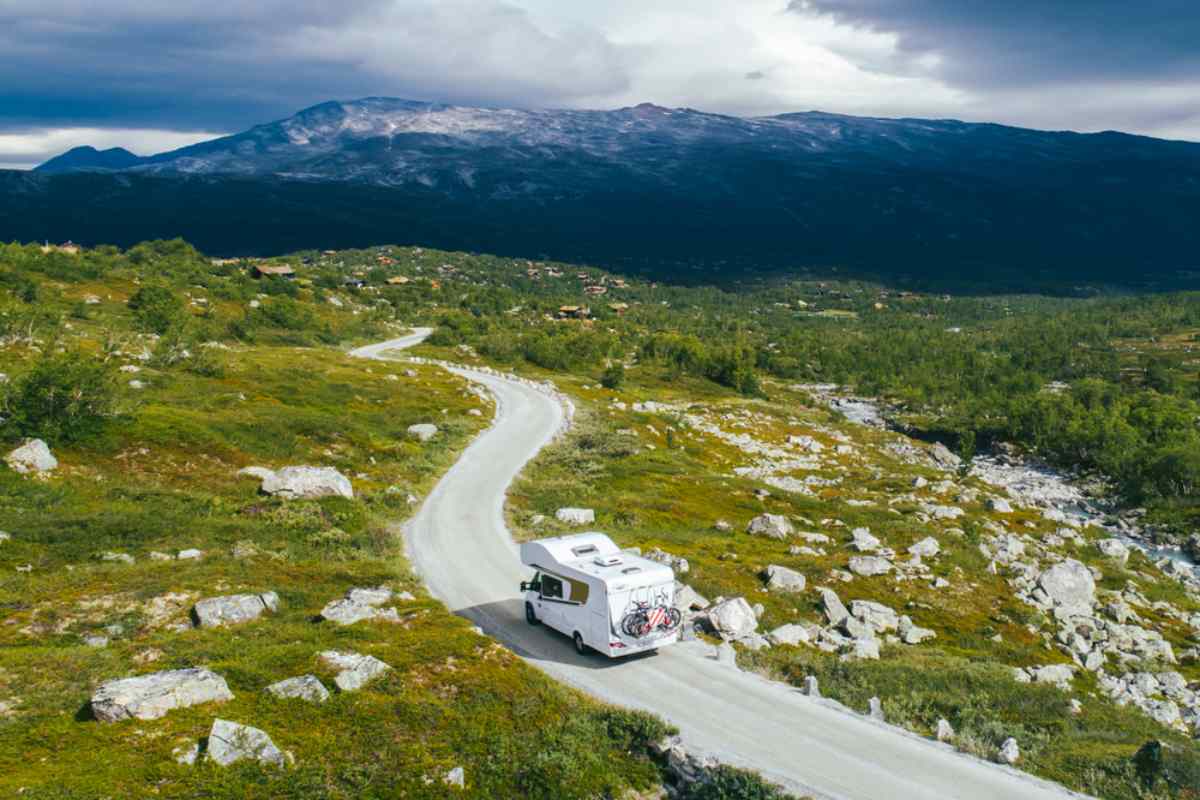
- 4WD camper, mix of cooking and occasional meals out
- Includes 1 to 2 paid activities like whale watching
- Better balance between comfort and cost without overdoing extras
Premium Camper Camping Trip
- Expect around $3,700 total
- Larger 4x4 camper, full insurance, more paid experiences
- Includes tours, better food, and upgraded campsite use
- You’re paying for comfort and convenience, not necessity
Is the Iceland Camping Card Worth It?
The Camping Card can save money, but only if your route and trip length actually fit it. It gives access to around 170 campsites for a fixed price, so the value depends on how often you use those locations.
When the Camping Card Saves Money
- Expect around $110 to $130 per adult for 7 to 10 nights
- It works on longer trips, usually 10+ nights
- Best value along the South Coast and Golden Circle, where campsite prices are higher
- Makes sense if you revisit larger hubs like Reykjavík or Akureyri
When It Does Not
- On a 7-day trip, it usually doesn’t pay off
- Routes through remote areas like the East Fjords often fall outside the network
- You still end up paying extra for non-participating sites
Best Use Cases for Campervan Travel
- Works best on a Ring Road route with stops along the Golden Circle, the South Coast, and North Iceland
- Buy it once you arrive, not before
- Always check participating campsites against your actual route before committing
Best Tools to Plan Your Camping Budget in Iceland
You don’t need guesswork here. The right tools give you a clear cost picture before you even arrive, and help you adjust as you go.
Fuel Price and Route Planning Tools
- Use the Iceland Planner to estimate fuel based on distance and vehicle
- Use Google Maps or Waze to build a clean, efficient route and avoid unnecessary detours
- Gasvaktin helps you compare fuel prices in real time so you’re not overpaying at the first station you see
Campsite Search and Booking Resources
- Tjalda.is and Reisa.is show campsite locations, pricing, and facilities
- Filter by region, like South Coast or North Iceland, to match your route
- Use them to avoid arriving at closed or full sites, especially early May
- Cross-check sites if you’re considering the Camping Card
Budget Tracking Apps and Spreadsheet Template
- Apps like Parka.is help track daily spend on fuel, campsites, and extras
- Simple spreadsheets work just as well if you prefer control
- Set a baseline budget before the trip, then adjust as you go based on real spend
Is Camping in Iceland Worth the Cost?
Yes, camping in Iceland is worth it if you want flexibility and control over your trip. A campervan gives the best balance between cost and experience. May is the most practical time to do it with lower prices and easier conditions. The trade-off is less comfort and no access to the Highlands.
Book Your Campervan and Start Planning For Iceland in May
If you’re planning to visit Iceland in May, book early. Availability tightens quickly once shoulder season demand picks up. Motorhome Iceland gives you a practical setup, local support, and a fleet that’s actually suited to these conditions. You’re not guessing as you go. Plan it properly, lock in the right vehicle, and build your route around real conditions, not assumptions.