Whether you’ve been dreaming about visiting Iceland for many years or it recently caught your attention, visiting Iceland for the first time can feel intimidating. You probably have more questions than answers and may not be sure where to even begin planning. The good news is that you can plan the adventure of a lifetime once you become familiar with what a trip to Iceland really looks like.
If you’re feeling overwhelmed by planning a trip to Iceland for the first time, this practical guide is here to help!
What First-Time Visitors Should Know Before Planning a Trip to Iceland
If you’re thinking about visiting Iceland for the first time, there are several basic things you’ll need to keep in mind before you even start planning. Here are our quick thoughts to get you started!
- Season matters, depending on what you want to see
- You won’t get to see everything
- Iceland is an expensive country to visit
- Driving is relatively easy, but can be complicated by weather conditions
- Weather changes rapidly
- Layering is your best tool, no matter the time of year
- There’s no need to buy bottled water
- Renting a campervan or car is a great way to see more and be flexible
How Much Time Do You Really Need for Your First Iceland Trip?
Before you start thinking about where you want to stay and what you want to do or see, you need to know how long to spend in Iceland. Well, this all depends on how much money you have to spend and how much time you have, but overall, there’s no right or wrong answer for your first trip. Don’t be surprised if you’re planning your second trip before you even leave!
Why Trying to See Everything on Your First Visit Is a Mistake
A lot of first-time visitors expect they can see everything they want, regardless of the time they spend in Iceland. But, it’s just not possible, no matter how hard you try! Instead, you’ll just end up stressing yourself out. Things in Iceland just take longer, despite shorter distances on a map, and the weather plays a huge role in what you can do at any given time.
Instead, as a first-time visitor, we recommend planning less, and if you manage to see more, you’ll be pleasantly surprised. The best way to approach Iceland is to list a couple of must-dos for each day and see what else the day brings along the way. You’ll feel more relaxed rather than trying to pack it all into one trip.
Realistic Itinerary Lengths for Beginners
Your ideal trip length as a first-time visitor will heavily depend on how much time you have available, but the type of experience you want also plays a role.
- 3-4 Day Intro Trip
- Tour Reykjavík, the Golden Circle, and part of the South Coast
- Keep drive times minimal or book guided tours
- An easy trip, but limited on how much you can see and do
- 5-6 Day Balanced First Trip
- Allows you to cover more of the South Coast and/or Snæfellsnes Peninsula
- Gives you more time to drive and explore areas
- An often-preferred length for a first trip
- 7-8 Day Comfortable Scenic Trip
- Gives plenty of time to explore several areas of the country and take more hikes
- A slower-paced trip feels more relaxing
- A comfortable way to see more of the country
- 9-10 Day Minimal Ring Road Trip
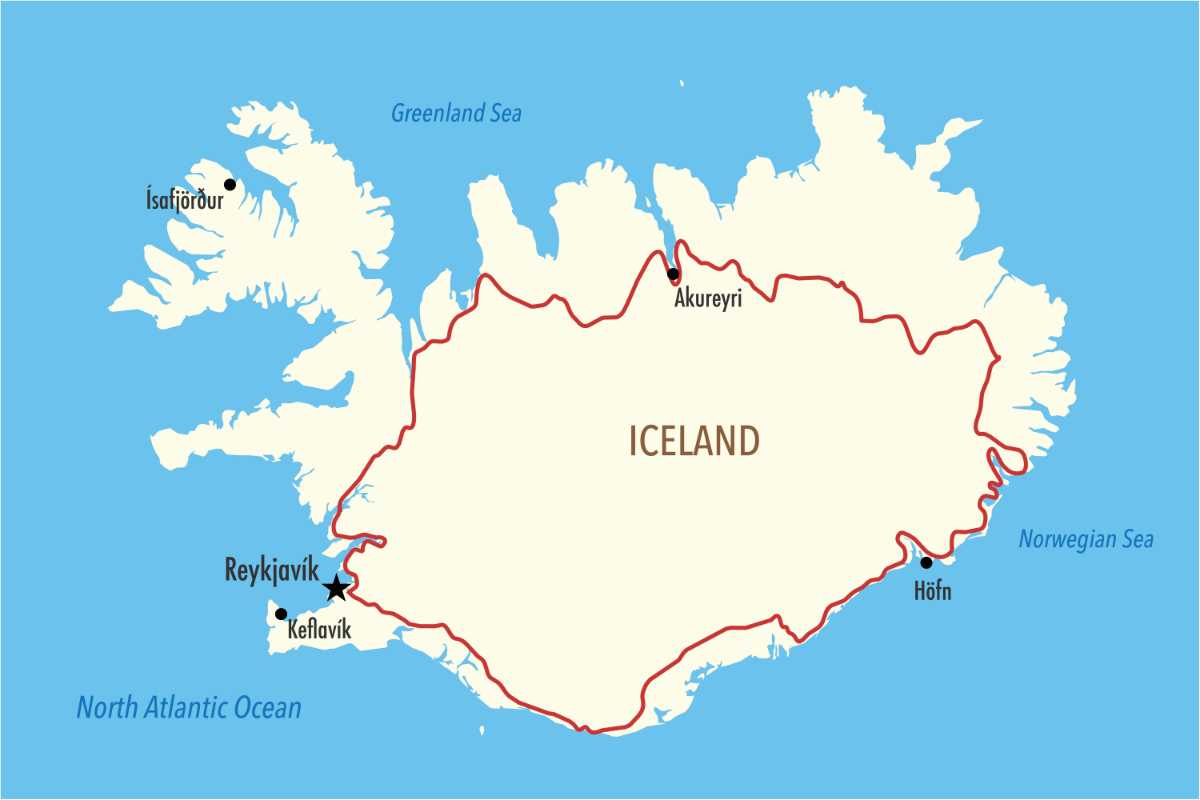
- Provides enough time to get around the Ring Road in summer
- Gives you a short preview of each region of Iceland
- Lets you see a lot, but doesn’t allow much time to linger
- 11-14 Day Ring Road Trip
- Gives you time to linger a bit longer in various regions, especially if you have a camper
- Opens the door to seeing more parts of Iceland, like the Highlands in the summer
- Provides a comprehensive overview of the country
Overall, the length of your first trip to Iceland is the most important first step in planning. How long you stay will dictate how far you can go and what type of itinerary will give you the best experience.
Getting Around Iceland for the First Time
Now that you’ve decided how long to spend in Iceland for your first trip, it’s time to start thinking about how you will get around. There are a few primary ways visitors get around: renting a car or camper, booking tours, or hiring private transportation. Which option is right for you will depend on the time of year and your comfort level with driving in another country.
Why Renting a Campervan Makes Iceland Easier for First-Time Visitors
One of the best ways to see Iceland, especially for a first-time visitor, is to book a campervan. You’ll find plenty of campgrounds, some of which are open year-round, and you can enjoy seeing the sights at your own pace, stopping whenever something attracts your attention.
You don’t have to worry about booking campgrounds ahead of time, so you can maintain flexibility. If you’re traveling in the off-season, though, we recommend having a list of open campgrounds to help you find one when you’re ready to stop for the night.
Overall, renting a campervan is easier because it:
- Simplifies the trip
- Provides more flexibility
- Lets you stop driving for the day whenever you are ready
- Makes costs more predictable
- Allows you to stay close to nature
When a Regular Car Is Enough and When You’ll Need a 4x4
As you look at available campervans and vehicles, you will notice that some are 4x4 and others aren’t. So, how do you decide which one is the best choice for your plans? There are a few things to consider when making this important decision.
|
Regular Car |
4x4 |
|
Sticking to main routes |
Planning on driving some F-roads in thesummer |
|
Visiting in the summer or shoulder seasons |
Visiting in the winter |
|
Not planning remote locations |
Interested in adding remote locations |
|
Comfortable adjusting plans if roads are bad |
Want maximum flexibility |
Driving Distances, Road Types, and What Surprises Most First-Timers
Iceland doesn’t look very big on a map, but you will be surprised. In reality, the time it will take you to travel between destinations is often longer than it appears. Between all the stops you’ll want to make, low speed limits (90 km/h or roughly 55 mph), and narrow roadways, the drive times you’ll get from map apps like Google Maps won’t be accurate. You should plan for at least 50% more time.
For most first-time visitors, we recommend planning to drive no more than 200-250 km (125-155 miles) per day. This distance allows you to move at a reasonable pace while leaving plenty of time for stops, hiking, and sightseeing.
Types of Roads You Will Likely Encounter
|
Paved Roads |
Easy to drive with narrow lanes and often no shoulders. |
|
Gravel Roads |
Frequently found off main roadways. A dusty drive that requires driving slowly. |
|
One-Lane Bridges |
Common in the countryside. The first vehicle to approach has the right-of-way. Proceed slowly. |
|
One-Lane Tunnels |
Uncommon, but well-marked. Vehicles with the pull-outs to the right must give way to oncoming traffic. Proceed with caution. |
|
F-Roads |
Rough gravel roads that lead into the Highlands. Unbridged river crossings are common. Only open in summer. Requires a 4x4 vehicle with good clearance. |
What You May Not Expect
Overall, driving in Iceland is relatively easy, but there are some things that often surprise first-time visitors. Most people don’t expect driving in high winds to be as exhausting as it is. The narrow roads also require more focus to drive, while the slower speed limits can be tough to follow. With a landscape that demands your attention at every turn, driving can be more draining than you would think.
A few other things to note:
- Weather changes quickly, often mid-drive.
- You can’t make up lost time easily since there are often no detours or alternative routes available.
- Speed limits are strictly enforced, and tickets come with high fines.
- You can’t pull over wherever you please. You must wait for a designated pull-off, which may be infrequent.
- Animals are everywhere, even on the roads, especially in the summer. Drive cautiously when there are animals nearby.
Choosing the Best Areas to Explore on Your First Visit
Your next step in planning your first visit to Iceland is choosing which areas to explore. What do you want to see? What types of things do you want to do? Your personal interests should take priority.
Reykjavík and the Golden Circle as a Starting Point
Most travelers who are visiting Iceland for the first time spend the beginning of their trips in Reykjavík and the Golden Circle, especially if they arrive on an early morning flight. We highly recommend this approach because it lets you adjust to the time difference and keeps you off the roads while you’re tired. The short drives will help you get more comfortable with driving in Iceland, too.
Reykjavík is a good place to get your bearings in Iceland before hitting the road. You’ll find plenty of museums, activities, restaurants, cafes, and more to keep you busy for a day or two before continuing your journey.
Once you’re ready to tackle the open road, the Golden Circle is a logical starting point for your trip. It’s easy to navigate to the main sights, Þingvellir National Park, Geysir geothermal area, and Gullfoss, with plenty of other stops to make if you have time. The proximity to Reykjavík makes it an easy first or second day, and it sets you up for continuing on along the South Coast.
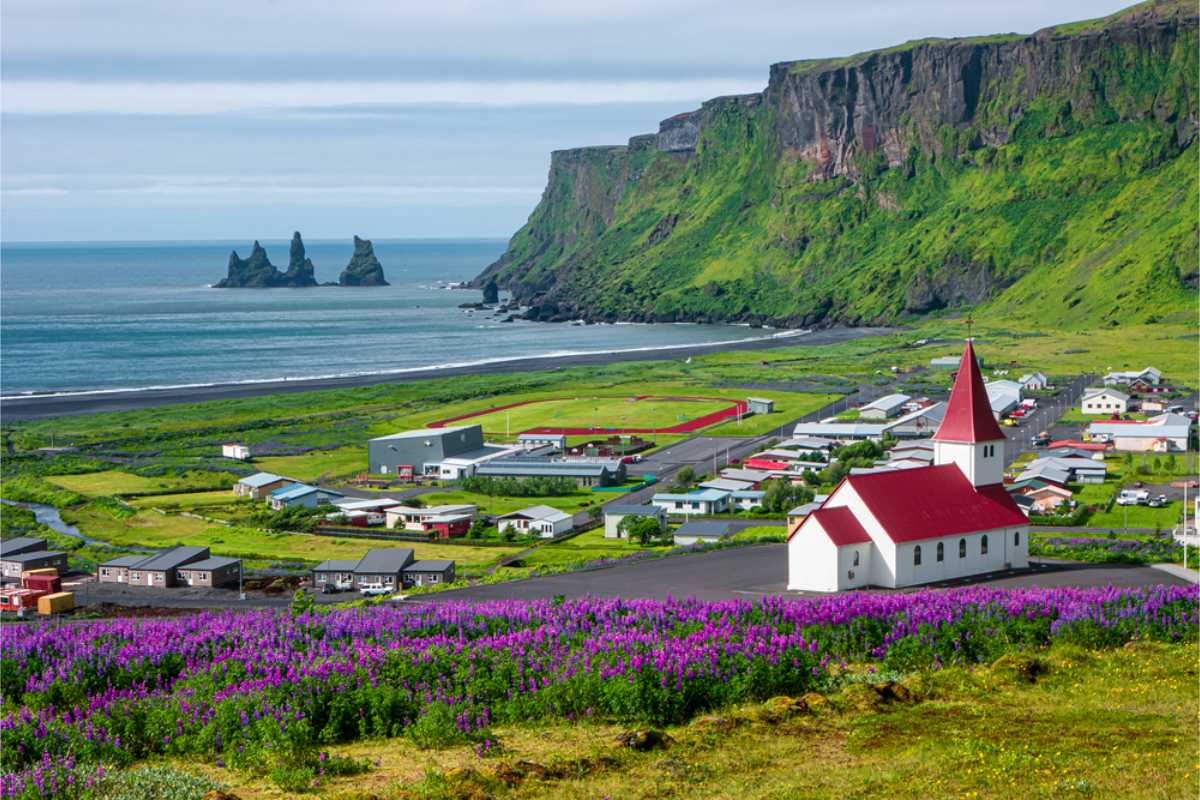
The South Coast: Iceland’s Most Beginner-Friendly Route
Many first-time travelers in Iceland prefer the South Coast. Why? This route includes many of the iconic waterfalls and sights that probably led you to book your trip to Iceland in the first place. You’ll see places like:
- Skógafoss
- Seljalandsfoss
- Reynisfjara black sand beach
- Jökulsárlón glacier lagoon
The South Coast is an easy drive for first-timers with one primary route and few detours. The roads are mostly paved, and there are plenty of pull-offs to enjoy the scenery. You also won’t need to worry about driving along cliffs because much of the terrain is flat along the roadways.
Why the Ring Road Is Better Saved for a Second Trip
We see a lot of people who want to drive the Ring Road when visiting Iceland for the first time. You’ve probably seen plenty of pictures, resulting in a long list of things to see. However, unless you have more than a week, preferably two, for your trip, it’s best to save the Ring Road for a second trip after you check off the primary sights and have a good feel for driving in Iceland.
When driving the Ring Road, you need to be extremely flexible to account for weather and road closures, especially in the winter. There are fewer services in the north and east, and driving requires more confidence and concentration. Spending your time in the south and west will give you a more in-depth experience, rather than treating the trip like a checklist.
When Is the Best Time to Visit Iceland for the First Time?
There’s really no ideal time to visit Iceland, but if it’s your first time, unless you are interested in visiting the ice caves, we suggest the summer or the shoulder seasons because of the longer daylight hours and a lower chance of weather that can close the roads. You’ll get a better overall experience when you don’t have to fight against Icelandic winter weather.
Comparing Seasons: Summer vs Shoulder Seasons for Beginners
The weather in Iceland is always unpredictable, but the summer and shoulder seasons can give you a little more stability for your first trip. Still trying to decide between summer and shoulder seasons?
|
Summer |
Shoulder Seasons (April & September) |
|
Long daylight hours (nearly 24 hours) |
Still good daylight hours, but less |
|
Easiest driving conditions |
Fewer tour buses/tourists |
|
Most roads and regions are open |
Lower prices than summer |
|
Perfect for campervans and flexibility |
Possibility of northern lights |
The above chart showcases our favorite reasons to visit during these times, but there are cons to consider, too. For instance, summer is more expensive and crowded, while the shoulder months have a higher chance of road closures and weather warnings. For many people, the benefits outweigh these downsides.
Weather, Daylight, and Crowds Explained Simply
Weather, daylight, and crowds are key factors that dictate the experience you can expect.
|
Weather |
Daylight |
Crowds |
|
Temperatures are milder than many expect |
Summer offers endless daylight |
Crowds peak around the middle of the day |
|
Rain and wind matter more than cold |
Shoulder seasons are more balanced |
Early morning and evening are quieter |
|
Weather can change quickly and often |
Winter has short daylight hours, requiring more planning |
The South Coast and Golden Circle are busy year-round |
Budgeting Your First Trip to Iceland
Is budgeting giving you trouble? You’ve likely heard that Iceland is expensive, and it is, but there are ways you can travel for less, such as booking a campervan instead of staying in hotels and preparing your own meals. Here’s what you need to know to help you budget more accurately.
The Real Cost of Food, Fuel, and Accommodation
Despite its reputation as an expensive country, it’s all relative to what you’re used to in your home country. Eating at restaurants is where you will spend the most money. These meals can be expensive, especially if you add alcohol. While you shouldn’t hesitate to treat yourself once or twice, you can save money by shopping at grocery stores and preparing meals in your campervan or accommodations.
|
Cost Per-Person in ISK |
Cost in USD |
Cost in EUR |
|
|
Groceries |
3000-4500 ISK per day |
$25-$37 per day |
21-31 EUR per day |
|
Restaurant Dining (3 meals/day) |
9000-13,000 ISK per day |
$74-$107 per day |
62-90 EUR per day |
|
Hot Dog/Gas Station Food |
800-1200 ISK |
$6.50-$10 |
5.5-8 EUR |
|
Casual Restaurant |
3000-6000 ISK |
$25-$50 |
21-41 EUR |
|
Mid-Range Restaurant |
6000-12,000 ISK |
$50-$100 |
41-83 EUR |
|
Coffee |
490-790 ISK |
$4-$6.50 |
3-5.5 EUR |
|
Beer |
1000-1800 ISK |
$8-$15 |
7-12 EUR |
Recently, fuel prices in Iceland have been reduced due to the road tax being separated from the fuel costs. At the time of writing, gasoline costs roughly 183-215 ISK per liter ($1.50-$1.75 USD/1.25-1.50 EUR), and diesel is 204-230 ISK per liter ($1.70-$1.90 USD/1.40-1.60 EUR).
The best way to calculate your fuel costs is to check the current fuel prices online and find the typical fuel efficiency of the vehicle you’re renting. Use that information, along with the distance you expect to drive, to estimate your overall fuel costs. In general, you can expect to spend about 5800-9400 ISK ($45-70 USD/40-65 EUR) per day on fuel for an average campervan trip.
Accommodation costs make up another significant part of your budget. You can expect to spend the following, depending on which type of accommodations you choose. Prices can also depend on the season, with lower prices in the winter.
|
Accommodation Type |
Cost Per Person Per Night in ISK |
Cost Per Person Per Night in USD |
Cost Per Person Per Night in EUR |
|
Hostel |
7000-12,000 ISK |
$57-$98 |
48-83 EUR |
|
Campsite |
1500-4000 ISK |
$12-$33 |
10-28 EUR |
|
Budget Hotel/Guesthouse |
17,000-28,000 ISK |
$139-$230 |
117-193 EUR |
|
Mid-Range Hotel |
22,000-45,000 ISK |
$180-$369 |
152-310 EUR |
|
High-End Hotel |
55,000+ ISK |
$451+ |
379+ EUR |
How Campervan Travel Helps Control Your Budget
Renting a campervan for your first trip gives you more control over your budget and helps you reduce your overall costs.
Choosing a campervan for your trip lowers costs by:
- Combining your car rental with accommodations
- Reducing food costs by preparing your own meals
- Keeping your itinerary more flexible
- Eliminating the need for high prices from last-minute bookings due to changes in your plans
Common Budget Mistakes First-Time Visitors Make
Visiting Iceland for the first time often means learning from your mistakes, but that doesn’t mean you have to make all the same mistakes as everyone else. Avoiding these common budgeting mistakes will prevent wasting money and give you a better experience. To keep your costs under control, don’t:
- Assume Iceland is only slightly more expensive
- Eat every meal in a restaurant
- Book accommodations too late (booking isn’t necessary for campgrounds)
- Overpack paid activities
- Drive more than necessary (avoid backtracking)
What to Pack for Your First Trip to Iceland
Knowing what to pack before you arrive in Iceland is another challenge. Many visitors assume Iceland is always cold and icy and pack accordingly, but it’s not that simple. The following Iceland travel tips will help you pack smarter, while having what you need.
Clothing for Rapidly Changing Weather
The weather in Iceland changes quickly and unexpectedly. You may start your day with sunny, calm weather and soon find yourself in the middle of a blizzard or heavy rain. You need to have the right clothing for all conditions in one day. When packing for your trip, be sure to include:
- A windproof, waterproof jacket
- Waterproof pants
- Thermal base layers
- Warm middle layers
- Warm socks
- Hiking boots or sturdy shoes with good grip
- Hat, gloves, and scarf or neck gaiter (even in summer)
- Sunglasses

Essentials That First-Time Visitors Often Forget
A trip to Iceland doesn’t exactly bring up images of a sunny beach destination. You may think warm winter gear is all you really need, but there are a few other essentials that may not come to mind. We recommend packing:
- A reusable water bottle
- Swimwear
- A daypack with a rain cover
- A quick-dry towel
- Type C/F power adapter
- Offline maps
- Lip balm/moisturizer
- Sleep mask (in the summer)
- Headlamp (in the winter)
- Powerbank
Campervan-Specific Items That Make a Big Difference
The above items are necessary for anyone traveling to Iceland, whether for the first time or subsequent trips, but there are some campervan-specific items that can make your camping trip more comfortable. Don’t forget:
- Extra blankets/pillows
- Slippers or sandals
- Reusable shopping bags
- Travel mug/thermos
- Trash bags
- Dish towels
Planning Activities Without Overbooking Your Trip
There’s so much to do in Iceland, making it difficult to decide what to include in your itinerary, especially if you don’t have a lot of time. But don’t make the mistake of overbooking your trip. You’ll just feel more stressed and won’t get to relax as you should on vacation.
When You Should Book Tours (and When You Don’t Need Them)
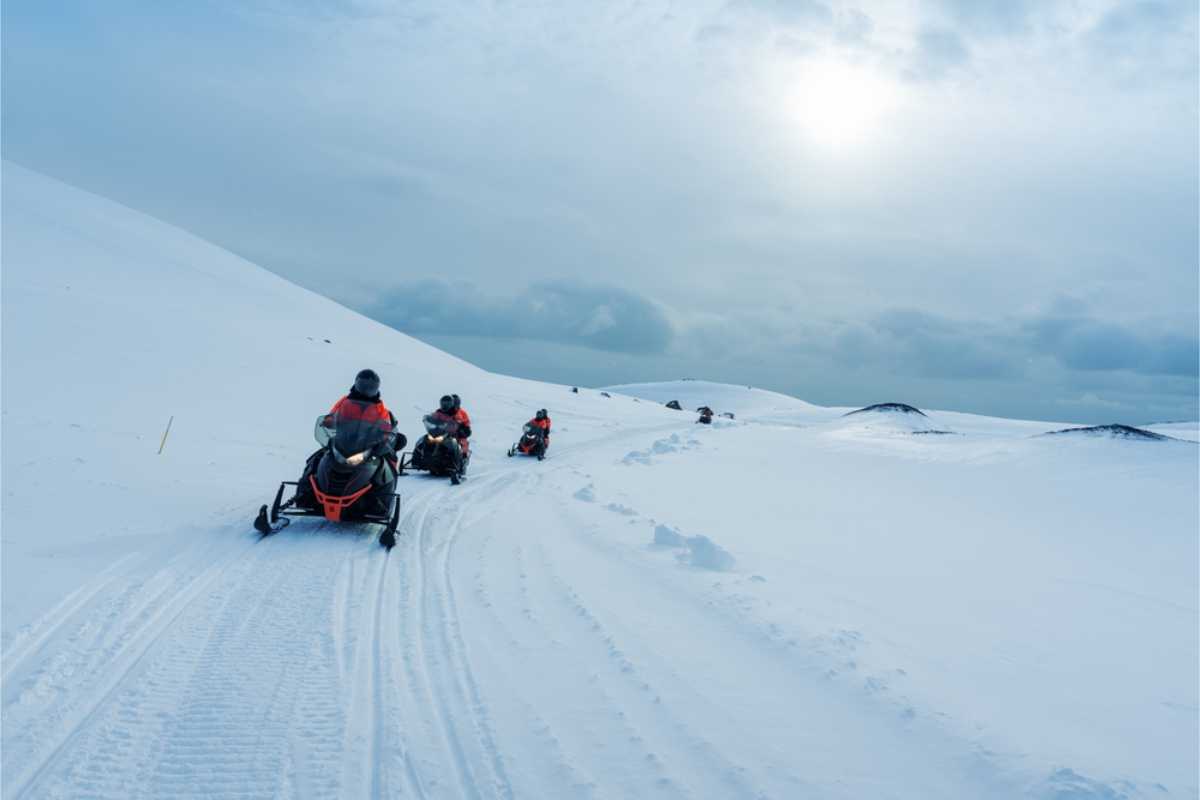
Just because you rent a campervan or choose to drive yourself doesn’t mean you’ll never need tours. There are certain activities that require booking a guided tour. You will need to look at an official tour if you want to see:
- Ice caves
- Glacier hikes
- Snowmobiling
- Whale watching
- Lava tunnels
- Horseback riding
- The Highlands (if you don’t have an appropriate 4x4)
Most everything else can be done on your own without spending the money on a tour, even seeing the northern lights. That’s the freedom of renting a campervan or car in Iceland!
Nature Experiences You Can Enjoy Without a Guide
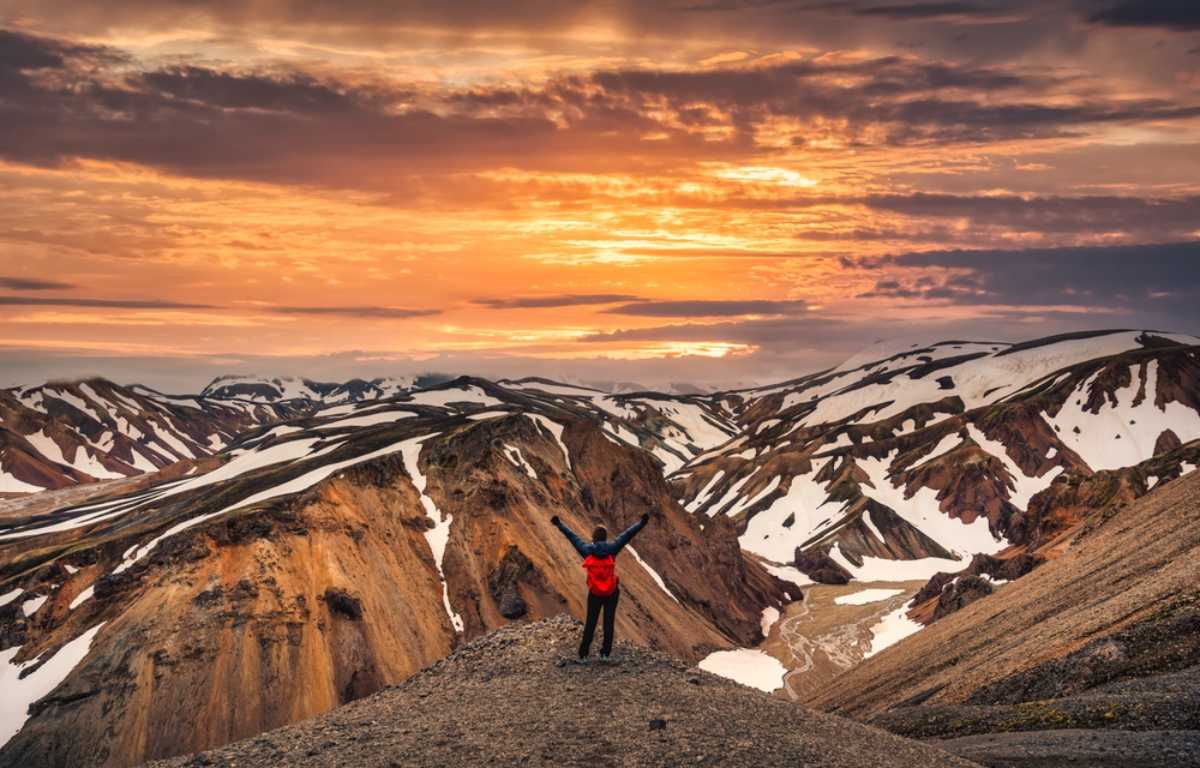
Nature is one of the biggest attractions in Iceland. If you’re worried about whether you’ll need a guide to see everything, fear not. Most of the nature experiences in Iceland are easy to do yourself, helping you save money in the long run. Without a guide, you can generally visit:
- Waterfalls
- Black sand beaches
- Lava fields
- Geothermal pools
- Marked hiking paths
- Scenic drives
- Mountains
Staying Safe and Flexible on Your First Iceland Trip
The final important element when planning your first trip to Iceland is staying safe and flexible. Nature in Iceland can be dangerous if you don’t treat it with the respect it deserves, but the country makes it easier to stay safe, as long as you know where to look. Before you hit the road each day, you should check the following websites:
Understanding Weather Warnings and Road Conditions
Whether you’re traveling by campervan or another type of vehicle, the daily weather and road conditions are the most important factors. You must stay updated on conditions at all times! Stay alert for weather warnings and road closures by checking the above websites daily, even multiple times a day. If there is a weather warning, do as instructed:
|
Warning Color |
Advice |
|
Yellow |
Medium to high likelihood of high winds or other bad weather conditions. Consider changing your plans. |
|
Orange |
Medium to high likelihood of medium to bad weather, like storms and high winds. Avoid traveling in these areas. |
|
Red |
High likelihood of extreme weather conditions. Do not travel. |
Likewise, you should check the road conditions to make sure the roads you plan to take are clear and safe to drive. If a road is marked red or gray, it is not suitable for driving with a rental car. Be aware of slippery conditions and plan accordingly.
Why Flexibility Matters More Than a Perfect Itinerary
Too many visitors approach their Iceland trip with a strict itinerary they expect to follow precisely. While this works for many destinations, Iceland is something else entirely. It demands flexibility and awareness. Sometimes, the weather just doesn’t cooperate, or something else captures your attention. Your itinerary should be treated as a mere suggestion.
When creating your Iceland travel plan, always build in flexibility. Don’t be afraid to change your route or swap days if the weather looks better somewhere else. You will experience less stress and enjoy your trip more if you let Iceland guide you instead of pushing your own agenda. If you miss something you really wanted to see, it’s just another reason to come back.
Is Iceland a Good Destination for First-Time International Travelers?
If you’ve never traveled abroad before, you may be wondering whether Iceland is a good destination for your first international trip. The short answer is, yes. Iceland is a great choice for a first-time traveler, especially from North America. English is widely spoken, and driving is straightforward. All it takes is a short flight.
If you have a new passport and are itching to take that first trip overseas, choosing a campervan trip in Iceland is the perfect solution. You’ll get the thrill of an international trip with the ease of no language barrier and plenty of natural beauty and space.
Final Advice for Visiting Iceland for the First Time
Visiting Iceland for the first time is exciting, whether you rent a campervan to get around, choose another type of vehicle, or opt for tours. However, it can feel overwhelming to plan it all out. That’s why you must do your research ahead of time and learn everything you can to avoid the most common mistakes and keep your costs reasonable.
That first visit to Iceland should be memorable, and if you’re like many other travelers, you will be ready to head back to see more.