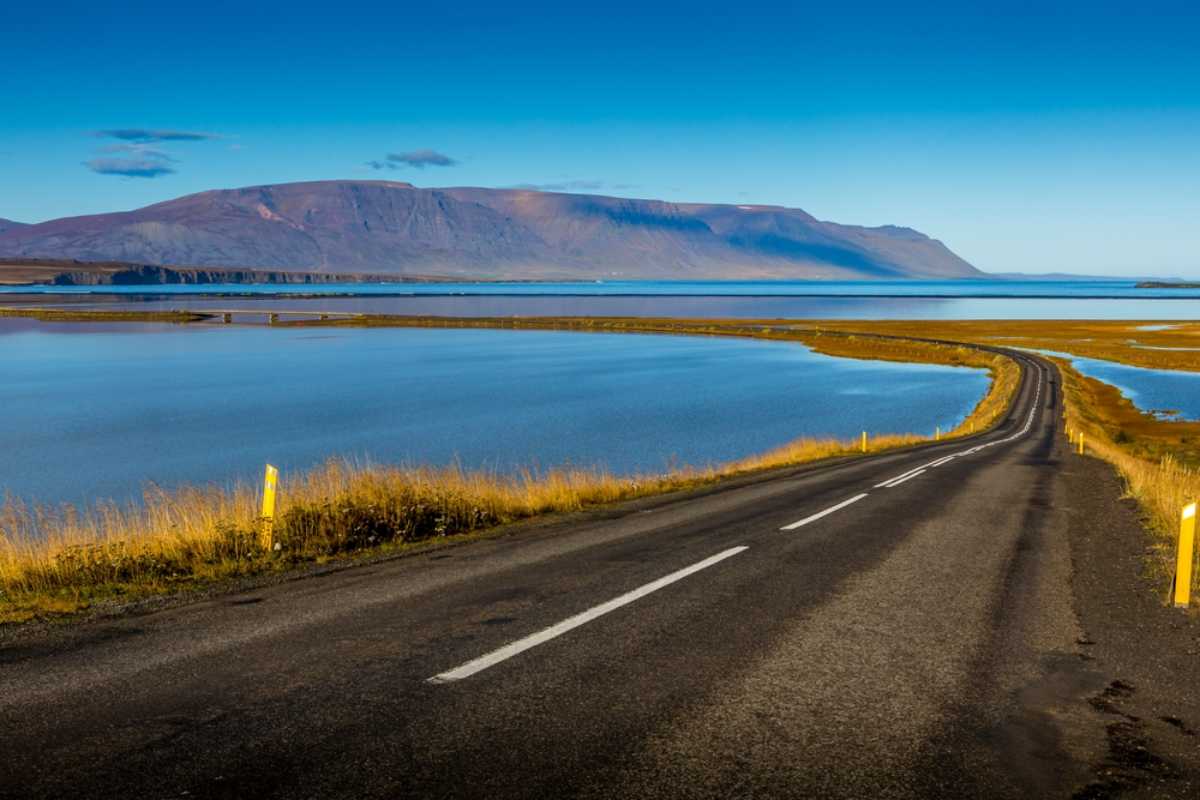
Summer isn’t the only time to explore Iceland by campervan. In fact, driving in Iceland in September is one of the best ways to experience the country’s landscapes with fewer crowds and more flexibility. If you’re looking for a good time to save money on your campervan adventure, September is an excellent choice for many reasons. Let’s explore the value of renting a campervan during this month.
Why September Works So Well for a Campervan Journey in Iceland
Visiting Iceland in September is a bit more popular than it once was, but it’s still a slower time than the busier summer months. September gives you a good mix of more stable weather, enough daylight, and good access to many sights. With the added flexibility of renting a campervan, you can enjoy Iceland at your own pace without sacrificing the places you want to go.
Camping in September is ideal for the following reasons:
- Fewer crowds
- Good access to most areas, including some Highland routes in the first half of the month
- Beginning of the Northern Lights season
- Mild weather with a low risk of severe storms
- Changing autumn colors
- Slightly lower prices
- Most campgrounds are open in the first half of the month, but some close around September 15
- 10-13 hours of daylight
Iceland’s September Weather: What Drivers Should Expect
Weather is one of the biggest challenges at any time of the year. If you’re wondering, “Is September a good time to go to Iceland?”, the answer is often a resounding yes, especially if you want a campervan adventure with lower crowds and prices. However, that doesn’t mean that you won’t have to worry about the weather at all. As always, you should be prepared for changing conditions.
Average Temperatures and Overnight Conditions
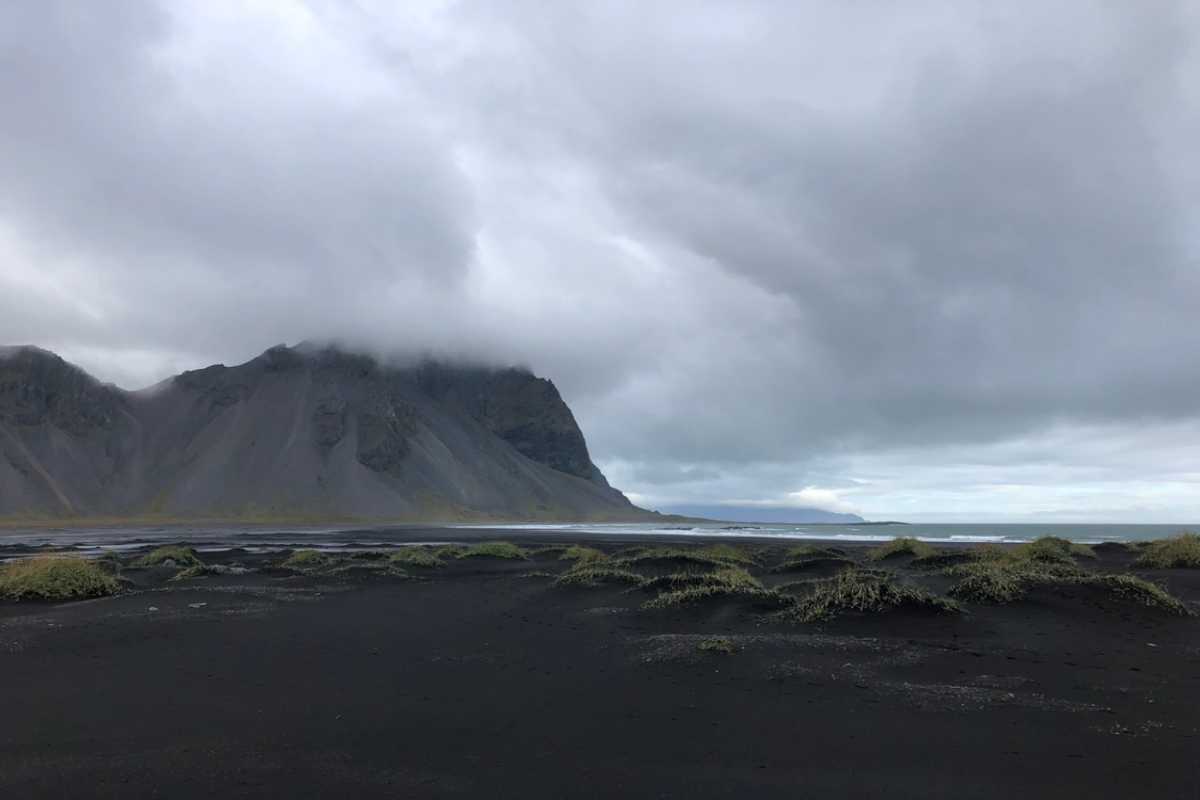
Iceland never gets incredibly warm, even in the middle of the summer. When you visit in September, you can expect mild, yet cooler temperatures than you may have in your home country. On average, the temperatures in September range from 7 to 12°C (45–54°F) during the day. When it’s sunny and the wind is calm, it may feel warmer, making layers essential.
Overnight, you can expect temperatures to drop, so it’s important to rent a campervan with a heater to stay warm. Nighttime temperatures range from 3 to 7°C (37–45°F). If you are camping in more remote areas or higher elevations, temperatures may be lower. This means chilly evenings and early mornings when camping. Be prepared for cooler nights with warm layers, thermal socks, and a good sleeping bag to keep you comfortable through the night.
Wind, Rain, and How to Adapt Your Plans
Although September weather can be more stable, you may still encounter wind and rain that can affect your plans. Iceland is notorious for unpredictable, rapidly changing weather conditions, making it absolutely essential to keep an eye on weather and road conditions through official channels.
Wind is one of the most important things to pay attention to when driving a campervan with a higher profile. Wind speeds can easily push these vehicles off the road. Keep your hands firmly on the wheel while driving, park facing the wind when possible to prevent door damage, and reduce your speed. If winds are predicted between 10-15 m/s, drive cautiously. However, if wind speeds are over 20 m/s, you should change your plans entirely and avoid driving.
Rain is another common weather condition in September, but you will rarely encounter all-day rain. Intermittent showers are more likely. Plan your stops around the rain showers as much as possible, but also pack waterproof outer layers so you don’t have to miss out. Adapting to the weather and staying flexible are essential.
Always prioritize your safety over checking off the sights on your list. Check conditions regularly, and be prepared to change your plans as needed. If there is a weather warning or the route you plan to take has poor conditions, have a plan B and even a plan C. Renting a campervan makes it much easier to maintain this flexibility without the pressure to get to the next hotel.
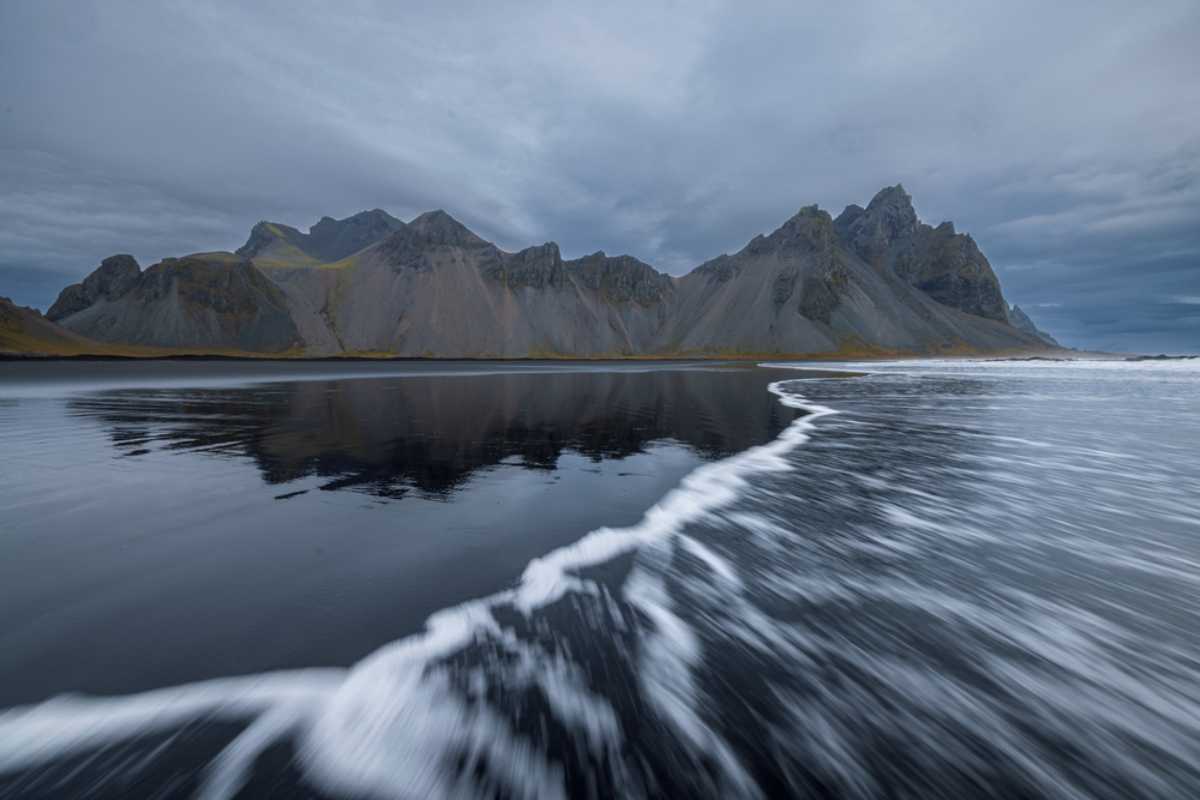
Remember, keep your planned days short to account for any conditions that may slow you down. Iceland rewards flexible travelers. You can always see more if time and conditions allow.
Choosing and Booking a Campervan for September Travel
Once you decide that driving in Iceland in September is the best solution for your trip, it’s time to start looking at your campervan options. Booking a campervan for your trip can be overwhelming with many options to choose from. Don’t forget to prioritize your comfort and safety, along with the flexibility of camping in Iceland.
Campervan Models Best Suited for Early Autumn
Since temperatures can drop at night, it’s important to choose the best campervan models suited for early autumn. These campervans will have plenty of space for your group and should be well-insulated and have a heater. You should also choose a campervan with enough storage space for your luggage and to lay things out to dry overnight.
At Motorhome Iceland, we recommend the following campervan models with heaters for your September trip:
- Renault Kangoo Maxi for 2 people
- Fiat Doblo Maxi Camper for 2 people
- Fiat Doblo Camper for 2 people
- Fiat Scudo for 3 people
- Renault Trafic Plus for 3 people
- Mercedes Campstar 4x4 Camper for 3 people – suitable for F-roads
- Toyota Hilux 4x4 Camper for 4 people – suitable for F-roads
- Renault Master Plus for 5 people
When to Book and What Insurance to Prioritize
While September isn’t one of the busiest months in Iceland, it is becoming more popular. You should book your campervan as soon as you settle on your travel dates. The earlier you book, the more money you can save on your rental. Waiting until the last minute limits campervan availability and leads to higher prices. Camping can be a budget-friendly option, but it’s important to book at least two to three months in advance, preferably longer.
As you work through your booking, you will be asked about insurance options. Our rentals come with basic third-party liability and CDW (collision damage waiver) insurance, but you should consider adding the following insurance to give yourself the highest level of protection:
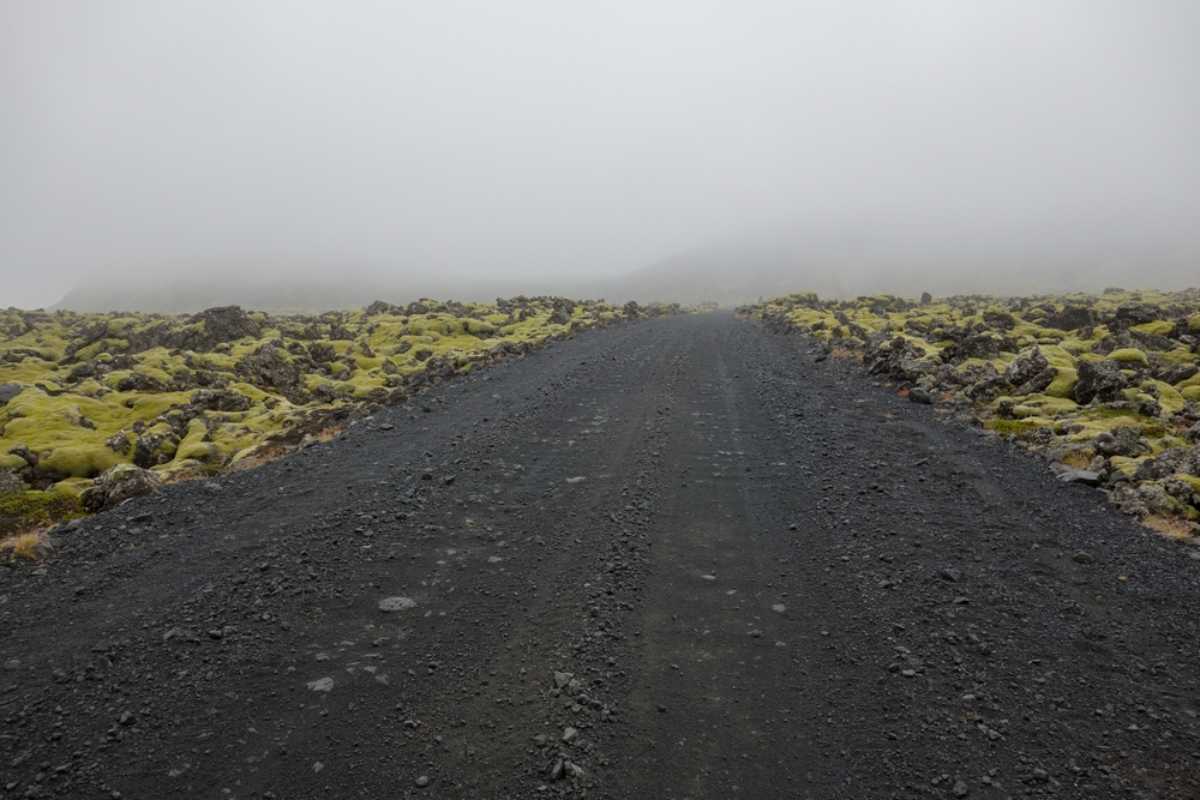
- Gravel Protection: Even if you don’t plan to drive F-roads, many of the side roads are not paved.
- Sand and Ash Protection: Some parts of Iceland have sandy stretches with no protection, which can lead to damage, especially in windy conditions.
- Super Collision Damage Waiver (SCDW): This coverage expands on the basic CDW, reducing or eliminating how much you must pay for damages.
In most cases, it’s best to take all the possible insurance to avoid unexpected costs at the end of your trip, even if you don’t plan to drive the F-roads.
Camping Options: Open Sites and Wild Camping Rules
September is the end of the primary camping season in Iceland, which means you may face closed campgrounds, especially if you’re traveling in the second half of the month. Most, if not all, campgrounds are open until September 15, but beyond this point, you will need to check tjalda.is for open campgrounds and plan carefully.
If you are visiting after September 15, the following campgrounds are available year-round:
- Capital Area
- Reykjavík Campground
- South Iceland
- Hellishólar
- Hveragerði
- Hvolsvöllur
- Selfoss
- Skaftafell
- Úthlíð í Biskupstungu
- Airport Camping - Sandgerði
- Tjaldsvæðið við Skógafoss
- Garðskagi
- East Iceland
- Djúpivogur
- Egilsstaðir
- Fossárdalur
- North Iceland
- Ártún
- Blönduós
- Hamrar, Kjarnaskógi
- CJA camping, Laugar
- Mánárbakki
- Bakkaflöt Tjaldsvæði
- Tjaldsvæðið Illugastöðum
- West Iceland
- Búðardalur
- Grundarfjörður
- Snorrastaðir
- Westfjords
-
-
- Tjaldsvæðið Djúpadal
-
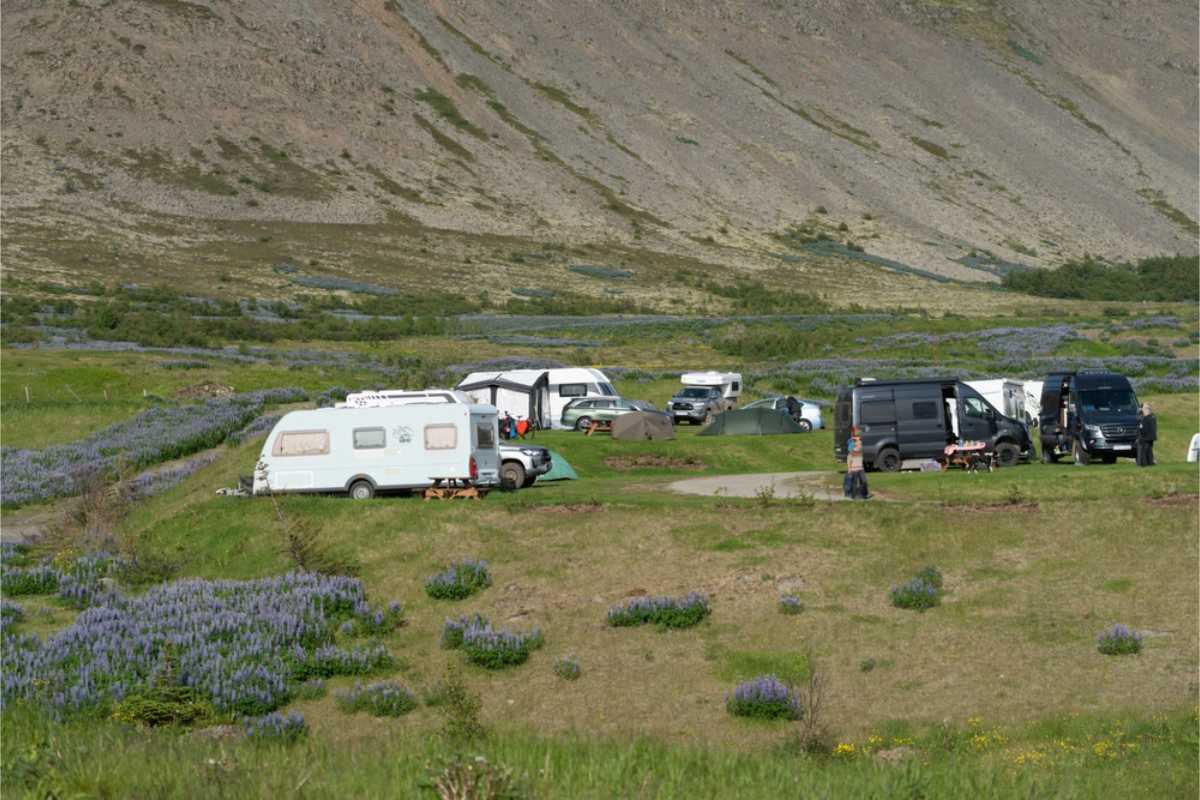
When sleeping in a campervan in Iceland, you are required to stay in a campground, making it essential to monitor which ones are open during your trip. Iceland’s National Conservation Act of 2015 changed wild camping rules to prohibit staying outside of designated campgrounds when traveling in a vehicle. Therefore, you cannot stay in pull-offs, parking lots, natural areas, or other places without explicit permission from the landowner.
Driving Conditions and Road Safety in September
September is still an easy month for driving in Iceland, but that doesn’t mean you won’t be affected by weather conditions. Weather can always change quickly, and while it isn’t incredibly common, snow can happen. With a campervan, you must be vigilant in monitoring the weather for any warnings, particularly related to high winds, which can be dangerous for high-sided vehicles.
Highland Access and Seasonal Road Closures
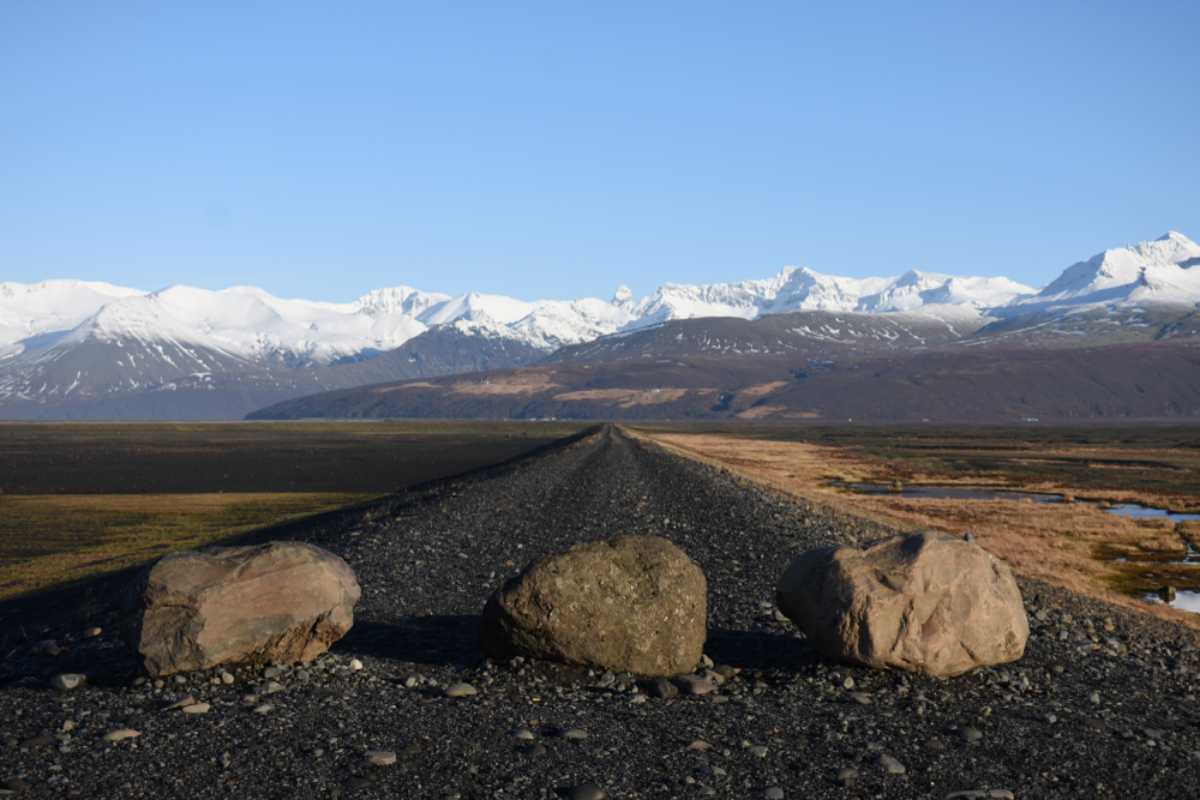
The Highlands are one of the biggest attractions to Iceland, but in September, there is no guarantee that these roads will be open. The further into the month, the more likely these roads will close when winter weather conditions begin in the central areas. F-roads often begin to close in the middle of the month due to heavy rains, high winds, and snow.
Always remember:
- A 4x4 is required to drive on F-roads
- Road closures can happen quickly, even overnight, so check conditions often
- Conditions can vary over short distances
If you plan to visit the interior, plan to cover these areas during the first half of the month, if possible. Otherwise, you may need to change your plans and save the Highlands for another trip.
Staying Informed: Road and Weather Monitoring Tools
Iceland does a fantastic job of providing valuable information that will help you determine whether it is safe to drive at any given moment. Before you set out for the day in your campervan, there are a few apps and websites you should review to help you make the best decision for your day:
- Vedur.is for the weather conditions
- Road.is for road conditions
- SafeTravel.is for weather warnings and other safety warnings
In addition to checking each morning, it can be helpful to review the information every time you get behind the wheel of your campervan.
Safety Guidelines for Visitors New to Icelandic Roads
While driving in Iceland in September is generally considered easy, there are some things that may be different than in your home country. These safety guidelines will help you feel more comfortable as you drive around the country in your campervan:
- Drive more slowly on gravel roads.
- Be cautious with the wind, especially unexpected gusts.
- Watch for single-lane bridges. The first car to approach has the right-of-way.
- Never stop on the side of the road. Wait for a designated pull-off.
- Keep headlights and taillights on at all times.
- The inner lane on roundabouts has the right-of-way to exit.
The Ring Road is fully paved and well-maintained, so it’s easy for most drivers to navigate, especially if you’re already used to driving on the right side of the road.
Best Things to Do and Places to Visit by Campervan in September
Are you wondering what to do in Iceland in September? You will be pleased to hear that most things are accessible, just like in the summer months. You’ll still be able to visit the Highlands, particularly at the beginning of the month, and many of the other sights around the country.
Ring Road Stops with Easy Campervan Access
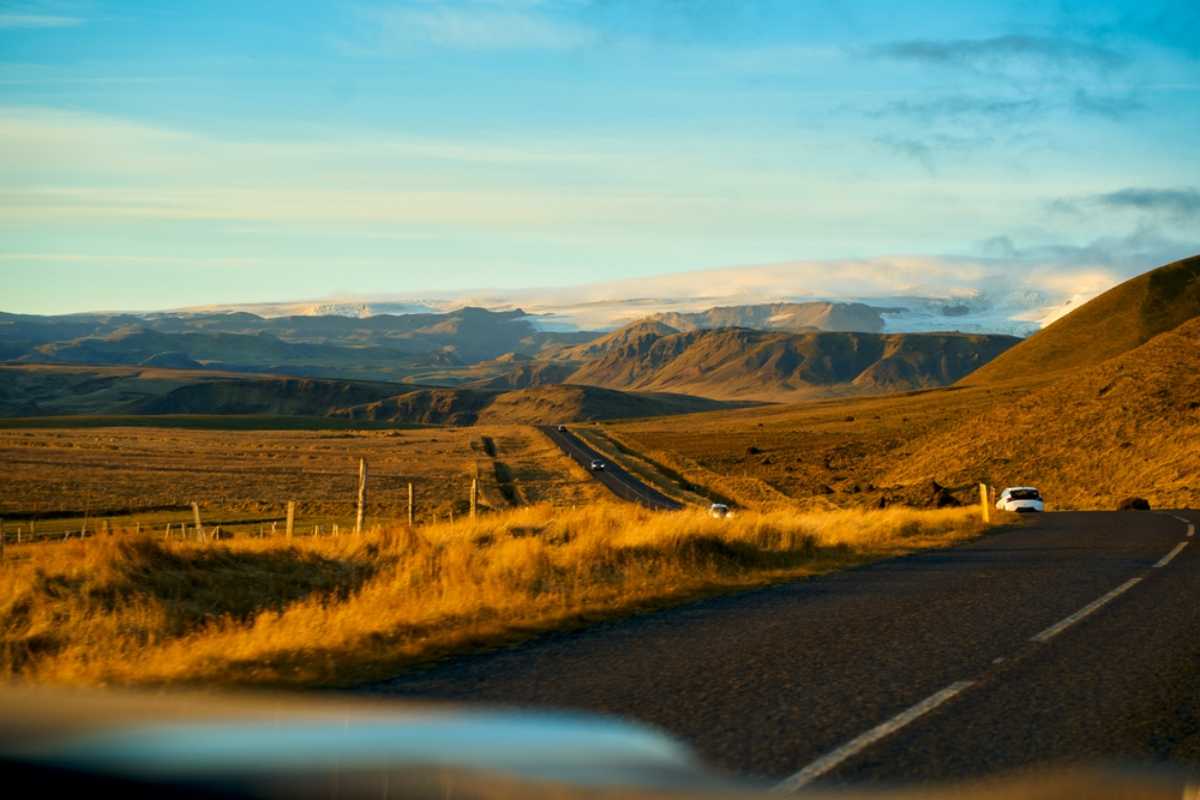
The Ring Road is a great choice for a September camping trip, especially if you have 10-14 days to complete the circuit. You’ll still have plenty of daylight, along with the chance to see the Northern Lights at night, as long as the skies are clear. As you build your Ring Road itinerary, we recommend adding these stops:
- Seljalandsfoss
- Skógafoss
- Reynisfjara Black Sand Beach
- Jökulsárlón Glacier Lagoon
- Djúpivogur
- Seyðisfjörður
- Dettifoss
- Lake Mývatn
- Húsavík
- Grábrók Crater
- Hraunfossar
In addition to these primary stops, you can add more stops as time and weather conditions allow. This is why renting a campervan gives you the ultimate flexibility for your trip.
Exploring the Highlands Before Winter Arrives
September is generally the last month for driving into the Highlands before winter weather conditions begin. However, keep in mind that the exact closure dates vary from year to year. Some years, the Highlands close early, while during other years, they remain open into October. Monitoring road conditions is essential before exploring the interior.
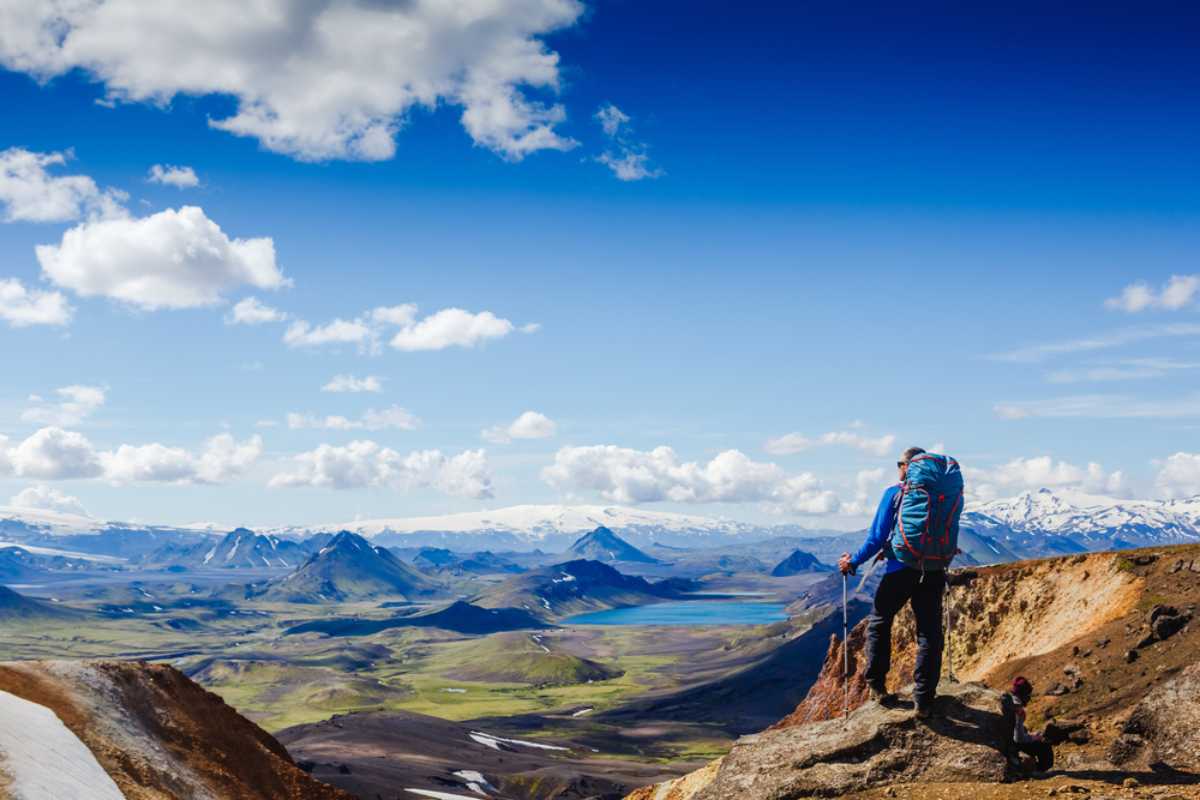
If you rent a 4x4 campervan with us, you may be able to explore areas like Landmannalaugar, Kerlingarfjöll, or Askja near the beginning of the month. In addition to checking conditions before starting these routes, check them often throughout your time. If you aren’t sure about whether you should proceed, either ask a ranger or turn back. It’s not worth the risk.
Wildlife Sightings and the Return of the Northern Lights
Mountains, waterfalls, and other natural sights aren’t the only reason Iceland tops many travelers’ lists. While there isn’t a lot of wildlife, September is a great time to see what Iceland offers. Book a whale-watching tour in Húsavík, the whale-watching capital. You can also find tours from Akureyri, Reykjavík, and Ólafsvík. Reindeer can be found in the east, and the arctic fox may be sighted in various parts of the country. September is typically too late for puffins.
One of the biggest advantages of traveling by campervan in September is the ability to chase clear skies and stay away from the city lights at the campgrounds. If clouds cover one region, you can drive an hour or two and find clearer conditions. All you have to do is check the aurora forecast and head for a dark area before settling into the campground for the night.
Relaxing in Geothermal Baths and Lesser-Known Hot Springs
The hot springs and geothermal baths are another reason people choose Iceland for their vacations. As you explore the country with your campervan, you can find options in many places. While many people are familiar with the Blue Lagoon, there are numerous other choices as you drive around, including some that are lesser-known but just as good:
- Secret Lagoon
- Sky Lagoon
- Earth Lagoon Mývatn (formerly called Mývatn Nature Baths)
- Geosea
- Vök Baths
- Forest Lagoon
- Hoffell Hot Tubs
- Reykjadalur
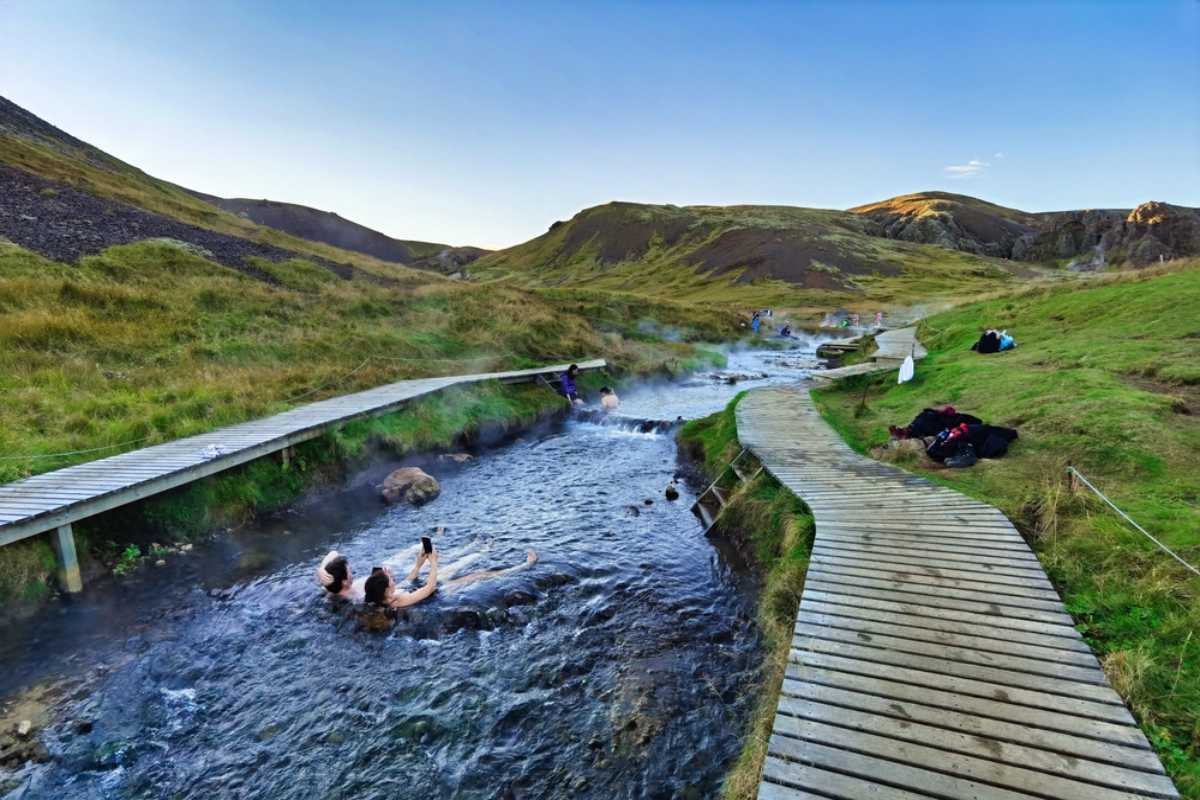
The local pools in most towns are another great option and cost less.
Festivals and Cultural Events Along Your September Route
Many of Iceland’s festivals and cultural events happen during the summer, but there are a few great choices in September as well. If you’re thinking about spending this month in Iceland, here are some of the festivals that may coincide with your trip:
Traditional Sheep Round-Ups (Réttir)
In the early weeks of September, farmers around the country begin gathering their sheep from the Highlands, where they have spent the summer grazing. These sheep round-ups, called Réttir, take place throughout the country. Some of them welcome visitors to observe, but few allow tourists to participate. However, you may encounter traffic jams caused by sheep. In these situations, sit back, be patient, and enjoy the experience.
Ljósanótt: The Night of Lights
Ljósanótt, or Night of Lights, takes place each year during the first weekend in September. The family cultural festival runs from Thursday through Sunday, and features music, art displays, the lighting of Bergsinn, and a fireworks display. This event takes place in the Reykjanesbær area.
Reykjavík International Film Festival
The Reykjavík International Film Festival (RIFF) typically runs from late September into early October. During the 11-day event, visitors can enjoy a number of independent films, some produced in Iceland, along with films from around the world. There are also special events that take place in various locations like swimming pools, natural sights, historical sites, and more. It’s a great option for film enthusiasts.
Packing Smart for a September Campervan Trip
Layers are your biggest ally when you’re visiting Iceland any time of the year. September is no exception, especially with changing weather conditions and cool nights. You’ll need plenty of items for staying warm and dry. Temperatures change quickly, between sun, clouds, rain, and even the potential for snow.
Clothing and Outdoor Gear for Unpredictable Conditions
What does dressing in layers really mean? When camping in September, layers are essential. As you consider your packing list for clothing and outdoor gear, don’t forget the following:
- Warm insulating base layers
- Fleece or wool mid layers
- Waterproof, windproof outer layers
- Wool or similar socks
- Waterproof hiking boots
- Hat, gloves, and scarf or buff
Campervan Comfort Essentials for Cooler Nights
Staying warm while hiking and sightseeing is essential, but you also have to consider how to stay comfortable when sleeping in your campervan. Renting a campervan with a heater is essential, but there are certain things you should be packing to guarantee a good night’s sleep without worrying about dipping temperatures.
Chilly September nights call for:
- Warm sleeping layers or thermal pajamas
- Extra blankets or a sleeping bag
- Thermos for hot drinks
- Compact headlamp or flashlight
- Portable power bank for charging
Digital Tools and Apps for Navigation and Trip Planning
When driving in Iceland in September, you will need to use various digital tools and apps to help you get around in your campervan. These tools will help you track the weather, road conditions, and safety throughout your journey.
You should check this information at a minimum each morning before you start out, but it can also be helpful to check again at each stop. Before arriving, download or bookmark the following:
- SafeTravel.is for weather warnings and safety updates
- Google Maps, Apple Maps, or Maps.me for navigation
- Road.is for current road conditions
- Vedur.is for weather conditions
- Parka and EasyPark apps for parking payments
- Tjalda.is for finding campgrounds
Final Advice for a Flexible September Road Trip
Choosing a campervan for your September road trip through Iceland is an excellent choice for its flexibility. This month gives you the ultimate experience with fewer crowds, lower prices, beautiful autumn colors, and the possibility to see the Northern Lights, all while maintaining accessibility to most locations.
With careful planning, you can enjoy the trip of a lifetime.
Fuel Planning and Remote Area Awareness
September still allows you to visit some of the remote areas of Iceland before they close down for the winter. However, this means you need to plan your journey carefully, particularly when it comes to fuel and supplies. You’ll find places to fill up and stock up in most towns, even small ones, but once you get into the Highlands or other remote areas, they will be limited or missing entirely.
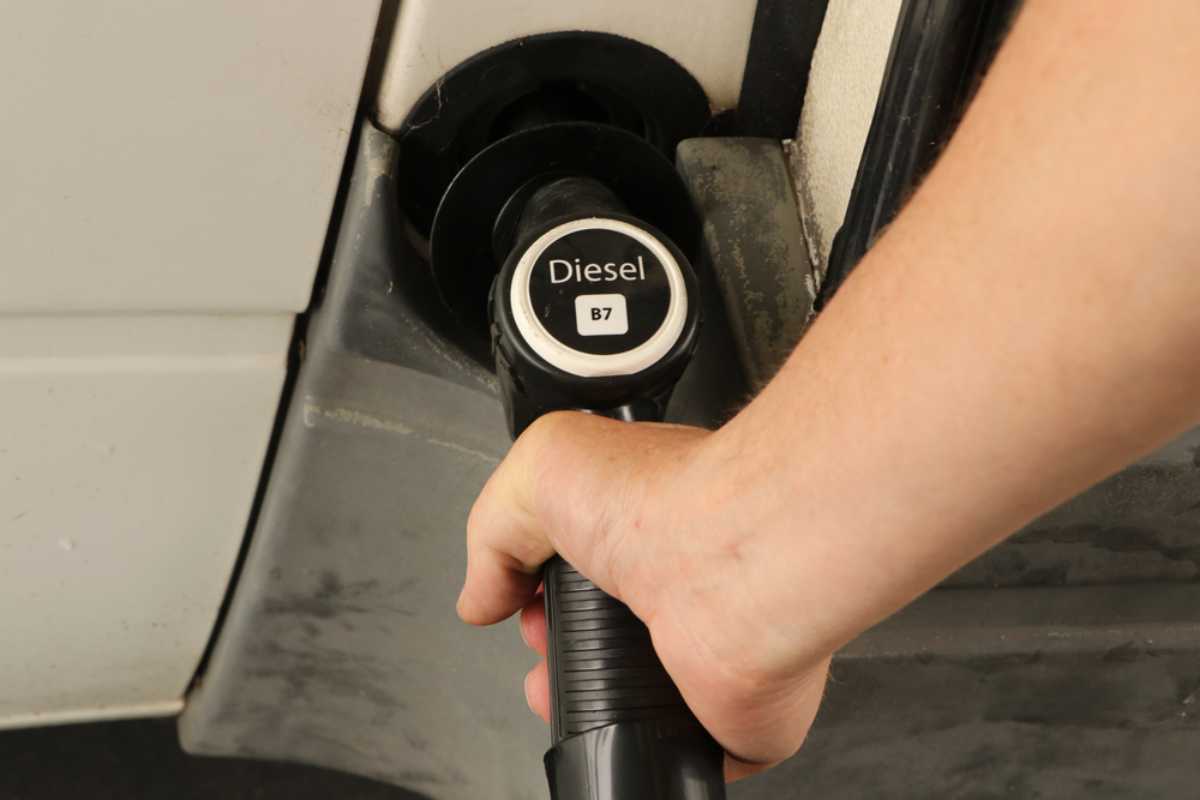
We recommend filling up your gas tank every time you see a station, even if your tank isn’t low. This will help prevent running out in a remote location. The same goes for stocking up on groceries for preparing food in your campervan. If you see a grocery store, stop and restock.
Remember, you may need a PIN for your credit card if you are filling up at unmanned stations in remote areas, so be prepared.
Responsible Driving and Environmental Respect
Driving around Iceland is one of the best ways to get the most out of your trip, especially with a campervan. However, Iceland’s landscape is extremely delicate and must be treated with the utmost respect to preserve it for future generations. We suggest following these principles during your campervan trip:
- Stay on marked roads. Off-road driving is strictly prohibited and heavily fined. F-roads are not the same as off-road driving.
- Only stop or park in designated areas. Don’t pull to the side of the road just anywhere. Wait for a parking lot or designated pull-off.
- Stay the night in campgrounds. It is forbidden to spend the night in a camper outside designated campgrounds unless you have permission from the landowner.
- Follow campground rules. Most campgrounds have posted rules. Respect them.
- Stick to Leave No Trace principles. Dispose of your waste properly in designated bins or dump stations. Carry out whatever you bring in.
Adjusting Your Route Based on Weather and Road Conditions
Flexibility is one of the top reasons visitors choose a campervan for their Iceland trip. Because you don’t often have to prebook campgrounds, you can more easily change your mind about where you want to go based on current conditions. To help you stay safe on your trip:
- Always check the weather and road conditions before heading out
- Keep your itinerary flexible so you can follow the better weather
- If there are strong winds predicted, stay put until they pass, or change your itinerary to avoid the area
You may not check everything off your list or see things in a different order, but you will be safe.
Is September an Ideal Month for a Campervan Road Trip in Iceland?
September is an excellent choice for a campervan road trip. When you rent a campervan in Iceland with us, you’ll enjoy the flexibility of seeing the country at your own pace, spending as much or as little time as you like at each location. With more stable weather patterns, fewer crowds, and lower prices, along with the possibility of Northern Lights and beautiful autumn colors, it’s a great time to visit this beautiful country.