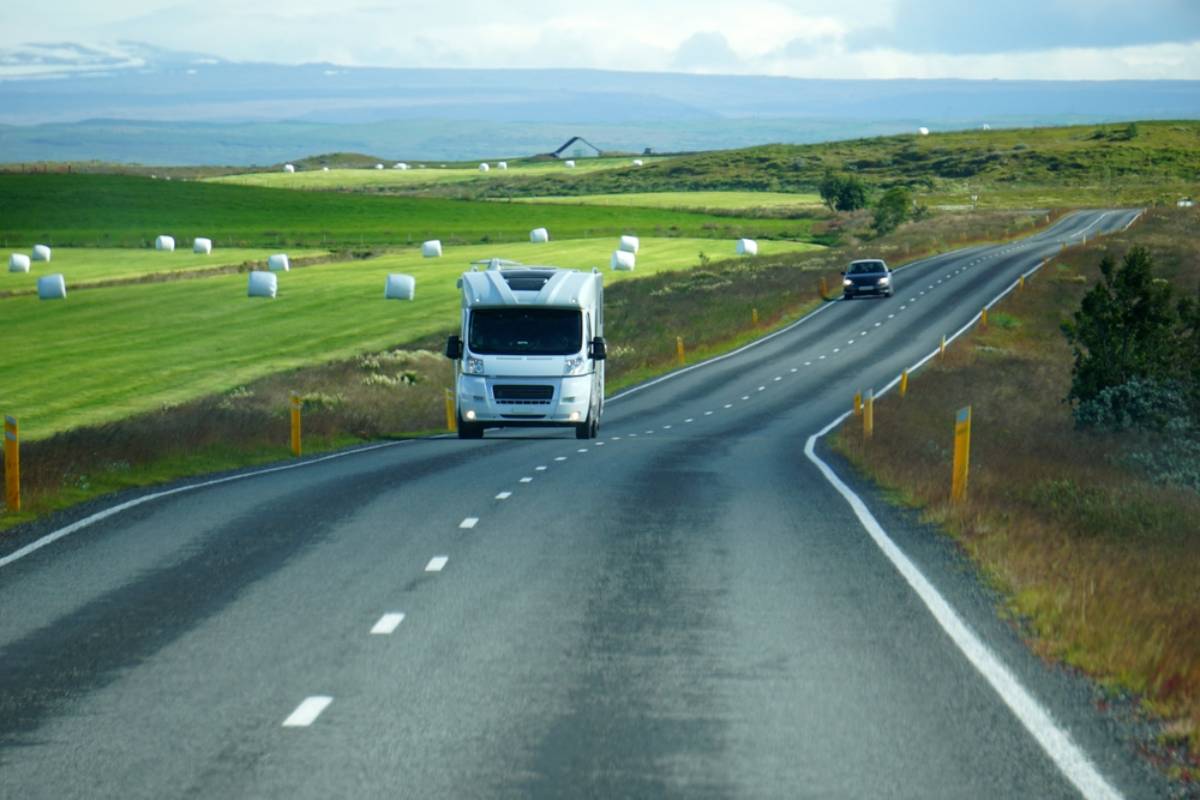
August is the ideal month to explore Iceland by campervan. With open Highland roads, extended daylight, accessible F-roads, and fully operational campsites throughout the country, traveling in a campervan is an excellent choice. Driving in Iceland in August gives you the ultimate freedom to enjoy the country the way you see fit.
If you’re planning to visit Iceland in August, particularly in a campervan, this guide will help you get ready for your adventure.
Why August Is Ideal for a Campervan Adventure in Iceland
What is Iceland like in August? When you travel to Iceland in August, you’ll likely enjoy beautiful weather and have more daylight, so you can see more of the country in a shorter period of time. August is ideal for your campervan adventure for the following reasons:
- Mild, comfortable weather (around 10–15°C (50–59°F) on average)
- Long daylight hours
- A chance to see the Northern Lights in mid to late August
- Lush green landscape and rushing waterfalls
- Best road access for campervans
- All campsites are fully open
- Several local festivals
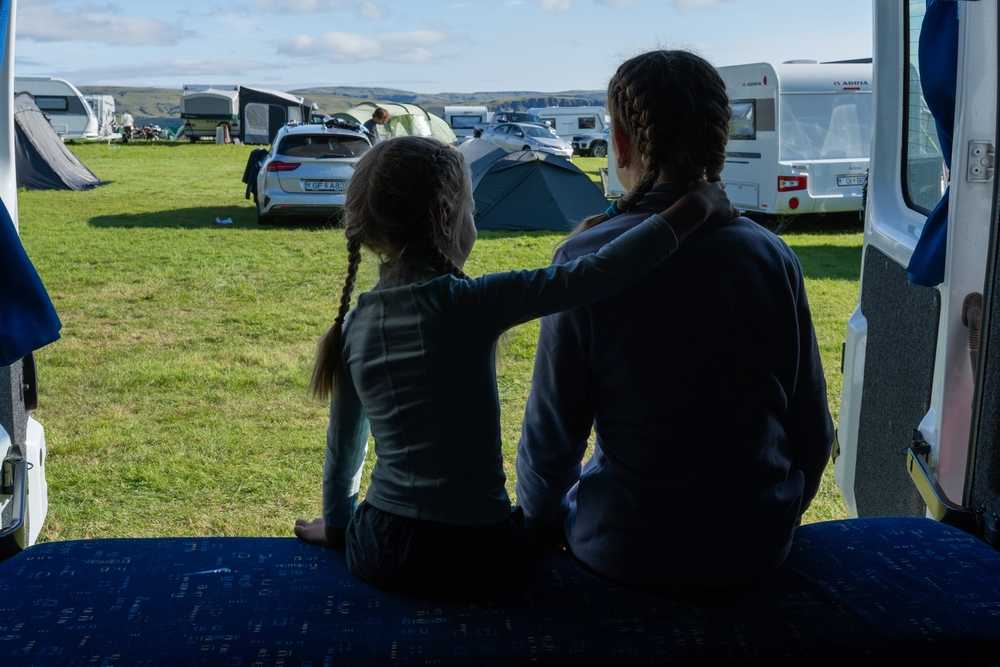
August gives you the best combination of open roads, good weather, and vibrant landscapes. With a campervan, you can stay longer at waterfalls, chase the perfect weather windows, and relax under the midnight sun.
What Driving in Iceland Feels Like During August
August is a great time for driving in Iceland because there is minimal risk of road closures due to weather, and there is plenty of daylight to reduce nighttime driving. It’s the ideal time for renting a campervan and exploring the country. What does it feel like to drive during this time of year?
Summer Road Quality and Traffic Levels
Summer is a busy time on Icelandic roadways, but that’s because the weather is often perfect for road trips. Tourist numbers are higher in the summer, but are starting to dwindle if you go in late August. However, outside of Reykjavík, you won’t encounter a lot of traffic or traffic jams. You can often avoid the crowds by seeing sights early in the morning or later in the evening.
Driving in August means you can access everything, including the Highland roads, and any gravel roads are generally dry and easy to drive, even with a campervan. There is a minimal risk of road closures, which are more likely to be caused by an accident rather than poor weather conditions.
Access to F-Roads and Exploring the Highlands
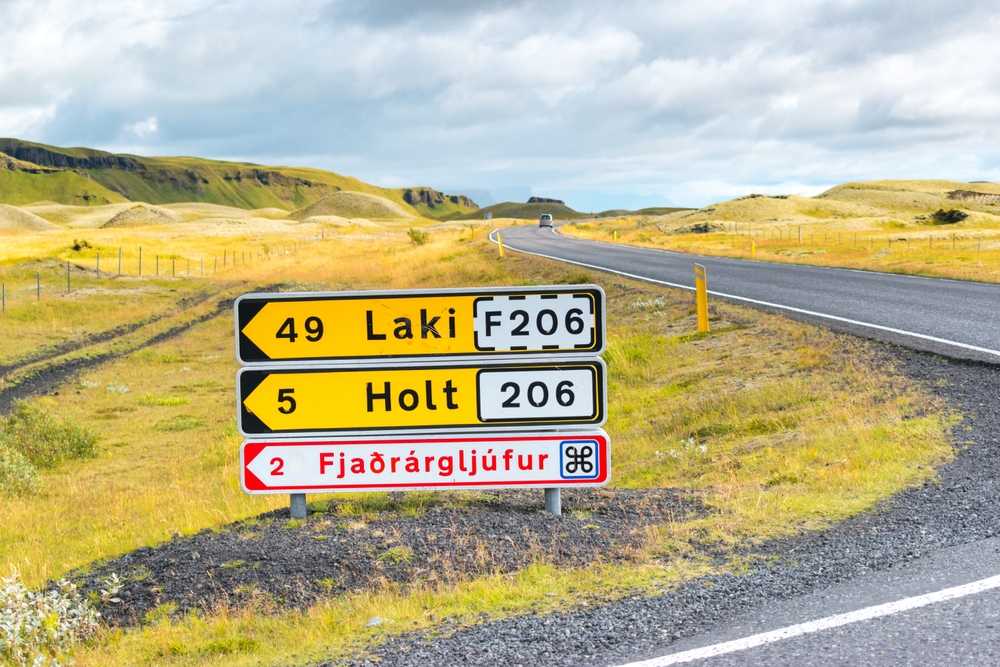
When you rent a 4x4 campervan, you will be able to explore the Highlands while driving in August in Iceland. Some visitors arrive earlier in the summer, expecting to drive the F-roads, but many of them don’t open until late June or early July. By August, F-roads are typically open, though conditions can still change with heavy rain or strong winds.
However, even though the F-roads into the Highlands are open in August, you must monitor the road conditions and weather before heading out. The Highlands are a remote area with spotty cell service, making it challenging to get help if things go wrong. We also recommend checking your tire pressure before you enter the Highlands. You don’t want to experience a flat tire in the middle of nowhere.
As you consider which campervan to rent, consider the following:
- High clearance matters
- River crossings are riskier for campervans due to their weight distribution
- Check with us which F-roads are allowed or prohibited with your campervan
Extended Daylight and Nighttime Visibility
Even though August is no longer peak daylight hours, you’ll still get plenty of time to see the sights before it truly gets dark. Early August has about 16-18 hours of daylight, while the end of the month falls to about 14-16 hours. This gives you plenty of time to enjoy the sights outside their busy hours. When you’re driving in a campervan, you’ll be able to simply find a nearby campground when you’re ready to stop for the night.
However, the extended daylight isn’t the only reason to consider August. Once the sun sets, there’s still excellent nighttime visibility. You won’t have to worry about driving Icelandic roads in the dark as you look for the next campground.
Choosing the Right Campervan for August Travel
Summer is camping season, so in addition to planning what to see in August in Iceland, you need to find the perfect campervan for your needs and budget. A campervan is one of the best choices you can make because it combines your vehicle and accommodations for one low price. You still need to pay for campgrounds, but the cost is significantly lower than other accommodations.
When a 2WD Is Enough and When You’ll Need a 4x4
One of the most important decisions you must make when renting a campervan in Iceland is whether you need a 4x4 or if a 2WD is enough. The best way to make this decision is to look at what you want to do or see while you’re in Iceland. In short, if you stick to the main roads, a 2WD may be all you need, but if you want to explore deeper, you absolutely need a 4x4.
The main roads in Iceland are generally paved, and any normal gravel roads are suitable for a 2WD. However, if you plan to drive F-roads or go off the beaten path, a 4x4 becomes a necessity. Here’s how to decide which is right for you:
|
2WD |
4x4 |
|
Drive the Ring Road |
Drive F-roads (mountain roads) |
|
Visit the Golden Circle |
Explore the Highlands |
|
Explore the South Coast highlights |
Visit places like Landmannalaugar and Askja |
|
Travel between towns |
Cross rivers |
Reserving Early During Iceland’s Busiest Month
While tourist numbers in August are often lower than in June and July, it is still the busy season, and things book quickly. If you’re interested in driving the country in a campervan, you should book as soon as you know which dates you will travel. At a minimum, you should book three to six months in advance to keep your costs low and guarantee availability.
Insurance Coverage You Shouldn’t Skip
Finally, don’t skip out on the rental insurance for your campervan. Most rentals include basic CDW (Collision Damage Waiver) insurance, but for driving in Iceland in August, you need much more than that. We recommend taking out full insurance to protect yourself from a high repair bill when you return your campervan.
Here are the most common types of insurance you should consider for your campervan:
- Gravel Protection: This insurance protects against windshield and paint damage due to loose stones on gravel roads.
- Sand and Ash Protection: Iceland is a volcanic island with several open sandy areas. Windy conditions can end up sandblasting your vehicle.
- Super Collision Damage Waiver: This insurance package minimizes your liability costs if your vehicle is damaged.
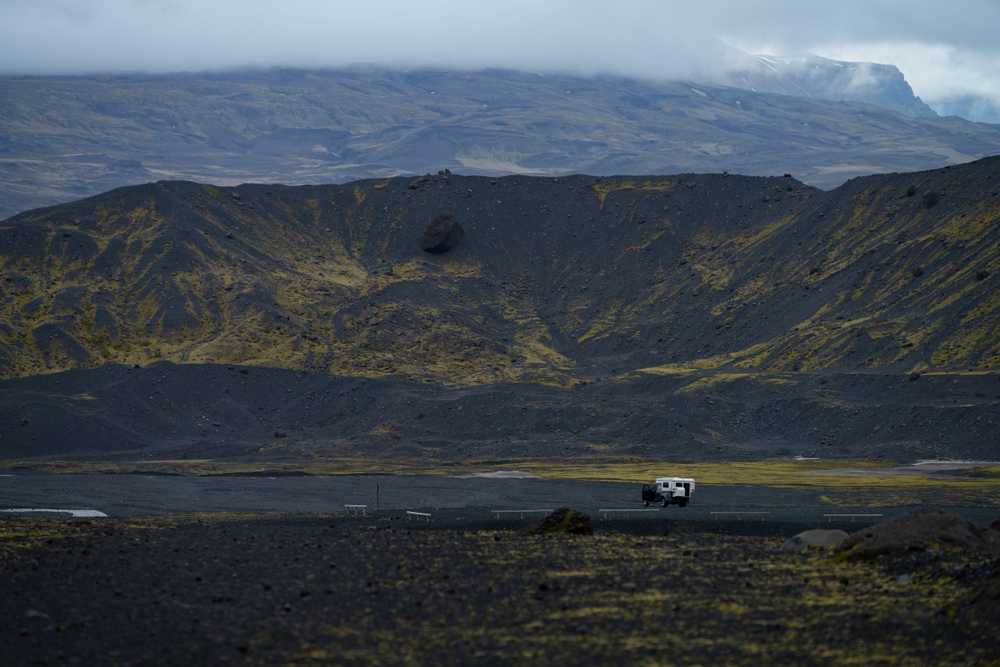
With Motorhome Iceland, you have these coverages included in both our Premium and Platinum bundles. You can visit our insurance and other extras here.
Keep in mind that most campervan insurance policies will not cover water damage or undercarriage damage. If you don’t have the right vehicle or experience, the best way to prevent these issues is to avoid the F-roads.
Essential Driving Rules and Practical Resources
Driving in Iceland in August is straightforward, but remember that you’re handling a larger, heavier vehicle that’s more sensitive to crosswinds and requires longer braking distances. In addition, the beautiful landscapes and fast-changing weather mean you must pay close attention and prepare properly for your journey. Learning about driving rules and where to find valuable information is crucial to keeping you safe in your campervan.
Speed Regulations, Fuel Planning, and Toll Roads
One of the biggest changes you may notice is the low speed limits. These limits are strictly enforced, sometimes by speed cameras, and fines are high, starting at around 20,000 ISK ($163 USD/138 EUR) for as little as 10 km/h over the limit. Typical speed limits are as follows:
- 30 km/h in residential areas
- 50 km/h in towns
- 80 km/h on gravel roads
- 90 km/h on paved rural roads (such as the Ring Road)
There are no highways in Iceland, just narrow rural routes that have little to no shoulder for pulling over, making speed limits critical.
As you make your way around the country in your campervan, pay close attention to your fuel tank. In some parts of Iceland, such as the Westfjords, the East Coast, and the Highlands, fuel stations are few and far between. We recommend topping off your tank whenever you see a gas station to avoid running out of fuel.
Overall, it’s best not to let your tank go below half full. Running low on fuel can mean no heating and less flexibility to stop in remote locations. Some Highland routes can be over 200 km long with no services available along the way. Filling up first reduces the risk of getting stranded.
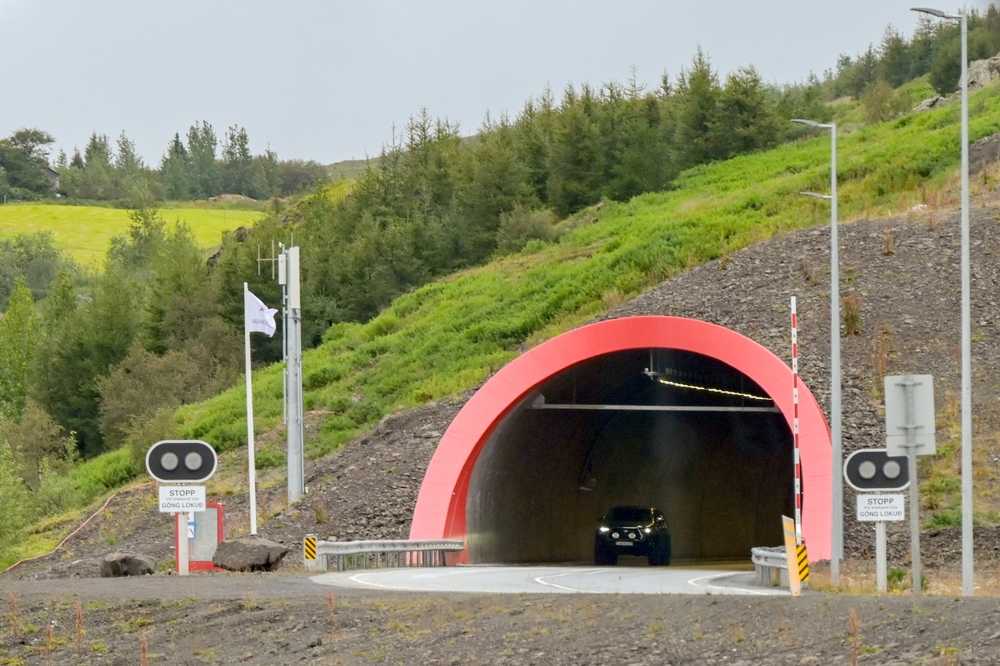
Finally, if you will be driving the Ring Road or spending time in the north with your campervan, you should be aware of the toll tunnel just outside Akureyri, Vaðlaheiðargöng. A passenger vehicle or campervan under 3.5 tons costs 2152 ISK ($17.50 USD/15 EUR) per trip. However, if the weather is good, which it often is in August, you can drive around the old road through the mountain pass instead.
Real-Time Tools for Weather and Road Safety
Despite the weather being more stable in August with a low risk of snow, conditions can change quickly, especially if you aren’t paying attention. When traveling in a campervan, you should check the weather and road conditions in the morning before you head out, and throughout the day to monitor for changes that require itinerary adjustments. Always rely on official sources:
- The Icelandic Meteorological Office for weather conditions
- The Icelandic Road and Coastal Administration for road conditions
- SafeTravel.is for weather and safety warnings
In a campervan, you should be especially mindful of high wind speeds. Campervans have a higher profile and can more easily be blown off the road if the winds are above 15-18 m/s. If you see wind speeds in this range or higher, you should either wait it out or head to another part of Iceland instead.
Best Places to Visit by Campervan in August
Choosing to rent a campervan is just part of your planning. You also need to decide what to do and which things to see in August in Iceland. With the whole country open, your options are nearly limitless. Here’s how to get started on your itinerary:
Ring Road Highlights Perfect for Summer Travel
Summer is the perfect time to drive around the entire country in a campervan. The campsites are open, the roads are open and clear, and the landscape is green. Because of the long daylight hours, you can get around the entire Ring Road with fewer days than at other times of the year, while hitting some major highlights that may not be available year-round.
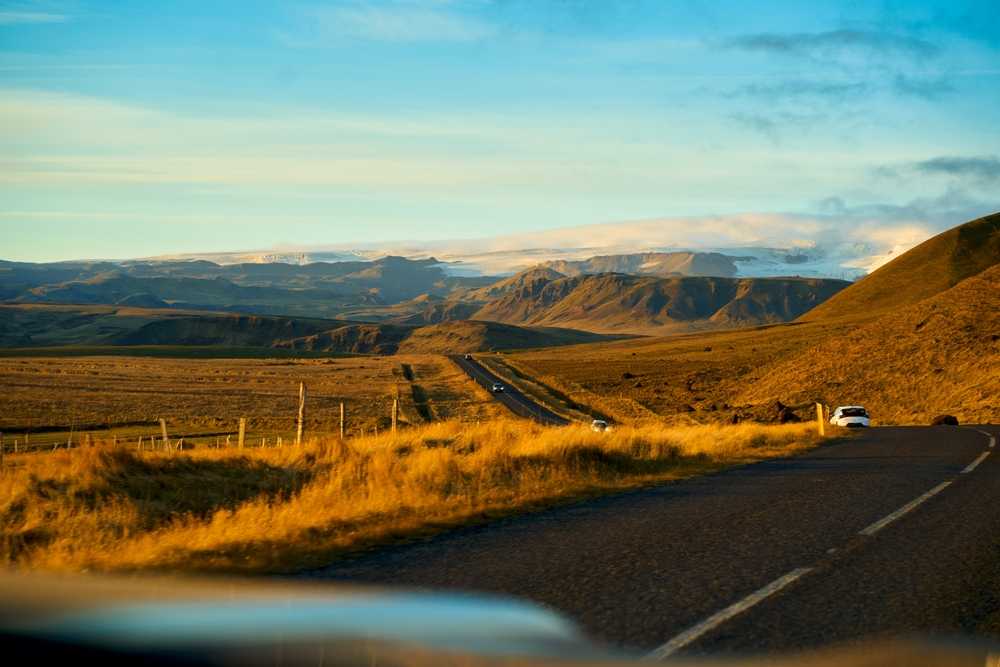
Some of the key highlights include:
- The Golden Circle
- South Coast Waterfalls (namely Seljalandsfoss and Skógafoss)
- Reynisfjara Black Sand Beach
- Jökulsárlón Glacier Lagoon and Diamond Beach
- Vestrahorn
- Dettifoss
- Lake Mývatn (including Hverir and Dimmuborgir)
- Goðafoss
- Akureyri
- Snæfellsnes Peninsula
In August, campervan travel really shines. You can linger at the waterfalls long after the tour buses leave, cook dinner at the foot of a glacier, and drive an extra hour to get to your ideal campsite because there’s plenty of daylight. With a campervan, you’ll get the ultimate flexibility to add things to your itinerary or stop in places you didn’t expect.
Seasonal Destinations Only Open in August
Not all parts of Iceland are easily accessible year-round. Driving in August in Iceland unlocks these seasonal destinations, including the Highlands and the Westfjords. While you can still drive in the Westfjords in winter, road closures are more common, and conditions can be dangerous.
When you’re creating your list of what to see in Iceland in August, don’t forget:
- Landmannalaugar with its rhyolite mountains and hot springs
- Askja with its remote volcanic landscapes and crater lakes
- Kerlingarfjöll with steaming geothermal valleys
- Dynjandi with its multi-tiered waterfall cascade
- Látrabjarg, home to many nesting birds, including puffins
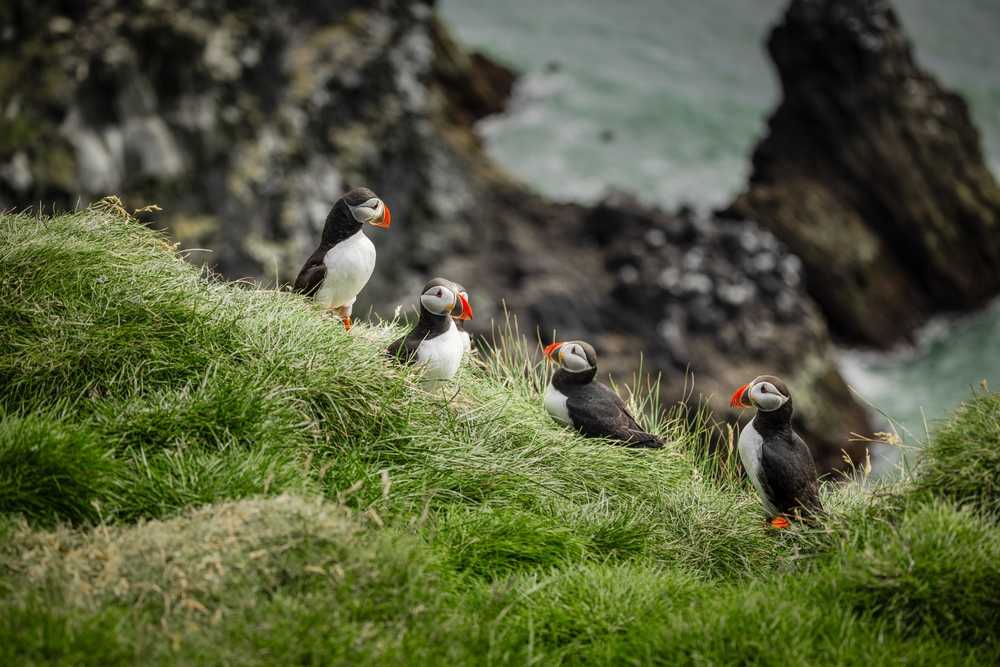
Spending time in these areas of Iceland will be less crowded than the more popular South Coast, giving campers more space and solitude.
Campsites, Overnight Stays, and Camping Laws
Renting a campervan is the perfect way to see more of the country without worrying about having hotels booked. Most campgrounds don’t require pre-booking, allowing you to choose your campsites as you go. In summer, you’ll find open campgrounds everywhere you go, with over 200 campgrounds scattered across the country.
Staying in campgrounds gives you access to:
- Showers and toilets
- Cooking facilities
- Electrical hookups (in some locations)
- Dumpstations
However, it’s important to note that wild camping in campervans is not allowed. You are required by law to stay in designated campsites. These laws fall under the National Conservation Act of 2015, prohibiting overnight parking on private land, parking lots, and roadside pull-offs without explicit permission from the landowner.
Packing Smart for an August Campervan Trip
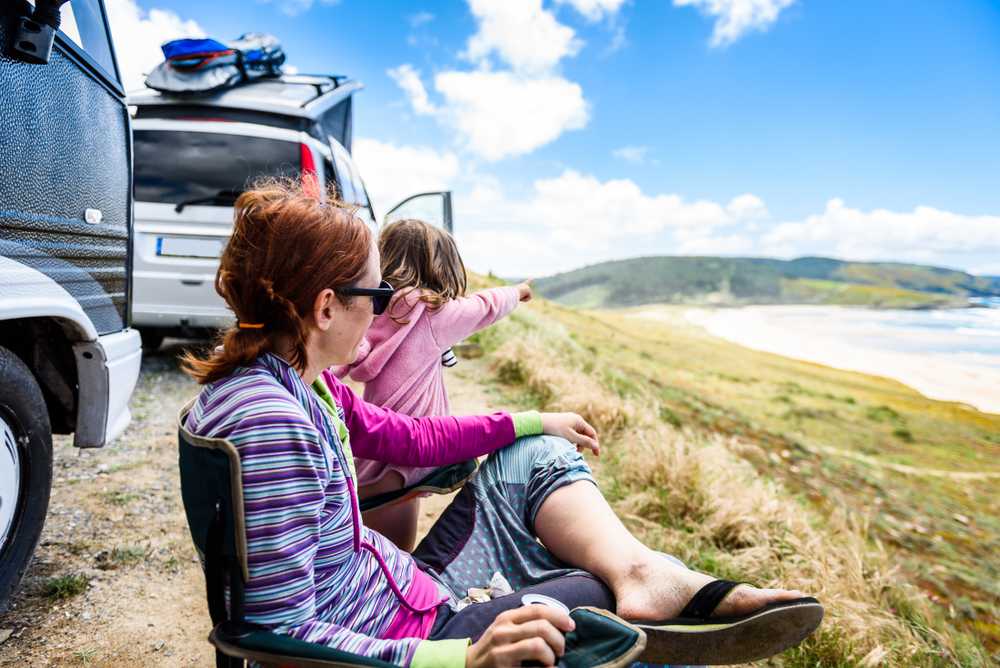
Depending on where you live, August in Iceland can still be chilly, especially if you’re spending the night in a campervan. The good news is that you can rent a campervan with a heater, and when you know how to pack and dress properly, you can stay comfortable, no matter what the weather is like.
Clothing Layers for Iceland’s Changing Weather
No matter the time of year you visit, layers are key, even in August! August may be one of the warmest months of the year, but it isn’t exactly warm by most people’s definition. When you add traveling in a campervan, you’ll want plenty of warm clothing you can easily put on or take off as needed.
While most people are only layering during the day when they’re out and about, when you’re camping, you need to layer when you sleep, too! Because you are sleeping in a compact space with little insulation, it can cool quickly overnight. Bring thermal layers and wool socks for sleeping.
To prepare for Iceland’s changing weather, we recommend packing the following:
- Base Layers
- Thermal shirts and pants
- Lightweight hiking shirts
- Comfortable leggings or hiking pants
- Mid Layers
- Fleece or insulated jacket
- Lightweight down jacket
- Outer Layers
- Waterproof and windproof jacket
- Waterproof pants
- Footwear
- Waterproof hiking boots
- Warm socks (preferably wool or similar)
- Slip-on sandals or shower shoes for campsite showers
- Extras
- Hat and gloves (even for August trips)
- Swimsuit
- Sunglasses
- Sleeping Comfort
-
-
- Eye mask to block out the late sun
- Travel pillow
- Earplugs for noisy campsites
- Warm sleepwear (temperatures can dip to 5–8°C (41–46°F) at night)
-
Wind is your biggest enemy in Iceland, not the temperatures. Always prioritize warmth and waterproofing, rather than being stylish.
Tech and Apps That Make Van Life Easier
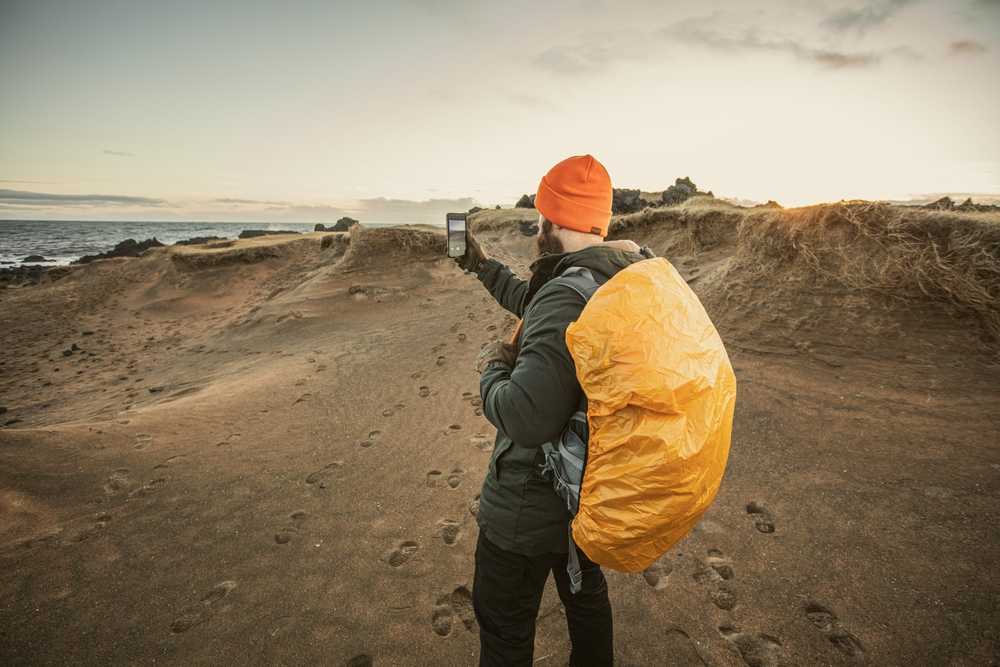
Technology has made visiting Iceland more streamlined than ever, especially if you know which apps and technology will help the most. As you prepare to embark around Iceland in your campervan, be sure you have the following ready to go:
- Navigation & Roads
- Google Maps or Maps.me (be sure to download offline maps)
- Road.is to check for road conditions
- SafeTravel.is to monitor weather and safety warnings
- Weather
- Vedur.is for the weather
- Camping & Travel
- Parka app to pay for some campsites
- Tjalda.is for campground listings
- Aurora forecast app (if you’re traveling in late August)
- Practical Technology
-
-
- Portable power bank
- 12V car charger with multiple USB ports
- European power adapter (Type C/F)
-
Iceland is a connected country with good cell service all around the Ring Road. However, remote areas like the Highlands can be spotty, so it’s important to download offline maps too.
Events and Celebrations to Include in Your Route
Summer is a time of festivals and celebrations in Iceland. When you’re visiting in August, you’ll get to take part in a number of Icelandic holidays, depending on when you travel. If you’re wondering what to do in Iceland in August, the following celebrations should make your list.
Major August Festivals Across Iceland
Many of the major August festivals in Iceland take place in Reykjavík, but some of them are national and spread to other parts of the country. Whether you want to find campgrounds near these celebrations or you simply want to participate in one near you, here’s a list of the major festivals to consider adding to your itinerary:
- Verslunarmannahelgi / Commerce Day Weekend: This holiday is a three-day weekend that happens the first weekend in August each year. It’s a major camping festival and often includes music festivals and bonfires. It’s accompanied by several minor festivals.
-
-
- Þjóðhátíð: Iceland’s largest festival takes place during Commerce Day weekend. You’ll have to get to the Westman Islands to enjoy the music festival and fireworks. Be prepared for crowds.
- Innipúkinn Festival: If you’re staying at the campground in Reykjavík or somewhere else nearby, this music festival is a must-do during the Commerce Day weekend.
-
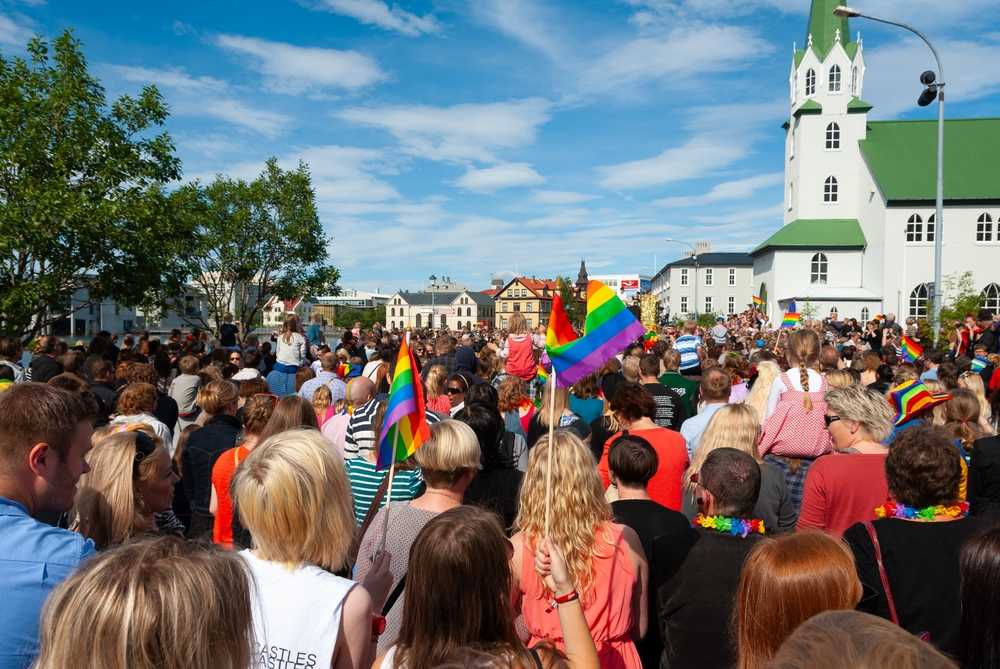
- Reykjavík Pride: The Reykjavík Pride celebration is a week-long celebration that culminates in the second weekend in August. It’s a massive, family-friendly celebration with events and activities available all week long. It all ends in a parade on Saturday.
- Menningarnótt / Reykjavík Culture Night: Also known as Reykjavík’s birthday party, this celebration takes place around the middle to end of August. There’s a marathon, along with concerts, arts, and various events throughout the city.
It’s important to keep in mind that parking is often challenging during many of these festivals because road closures in the city are common. You may have to park your campervan further from the city center when these events happen or consider taking public transport instead. If you’re staying in the city’s campground, public transport or a taxi is likely your best option.
Fireworks, Pride Events, and Summer Celebrations
Icelanders really know how to celebrate when it comes to their summer festivals. Because Iceland can be cold and dark for much of the year, it’s no wonder they cut loose and enjoy the outdoors during the summer.
While Iceland is known for celebrating the New Year with fireworks, it isn’t the only time they use fireworks to celebrate. Many of the summer festivals, primarily Þjóðhátíð and Menningarnótt, involve fireworks shows. If you want a good viewpoint, try the town center or waterfront.

During Pride week, you will find a long list of events open to everyone. The parade is the finale for the week, but up until that point, visitors can enjoy themed concerts, queer art exhibitions, dance parties, workshops, and much more. If you’re staying in the countryside in your campervan, be sure to check out the nearest town. Many towns have some Pride-related events.
As you make your way around the country in your campervan, keep an eye out for other summer celebrations like music nights, summer markets, and other localized celebrations.
Small-Scale Local Events Worth a Stop
Every town in Iceland has its own unique celebrations during the summer, including in August. You might find farmers’ markets or craft fairs selling local wares that make excellent souvenirs. Small music festivals or days filled with child-friendly activities are also common. If you notice a local event taking place, don’t be shy! Stop by and join the locals as they celebrate the summer season.
Final Advice for a Smooth August Road Trip
August is prime time for driving in Iceland and camping your way around the country in a campervan. However, you still need to be mindful of the weather and be prepared to change your plans to ensure you have a smooth trip.
Dealing with Sudden Weather Changes
Weather in Iceland changes rapidly, even in August. While you may not experience some of the extremes of winter, you can still expect:
- Sunshine turning to wind and sideways rain
- Fog rolling in along the coast or higher elevations
- Sudden temperature drops at higher elevations
- Strong wind gusts, particularly near mountains
You can prepare for these changes by dressing in layers, including overnight in your campervan. Always keep your rain jacket and waterproof pants handy, and check the Icelandic Meteorological Office forecast daily. Monitoring road conditions is also essential, especially before you head into the Highlands or other remote areas.
When and How to Reserve Campsites
August is a peak month for camping, but many campgrounds don’t require or take reservations. However, there are exceptions where you may find arriving without one means getting turned away. Popular places along the Golden Circle and South Coast can fill up by 5 pm, especially on the weekends. Campgrounds in Egilsstaðir, Ásbyrgi, and Skaftafell should be booked ahead of time.
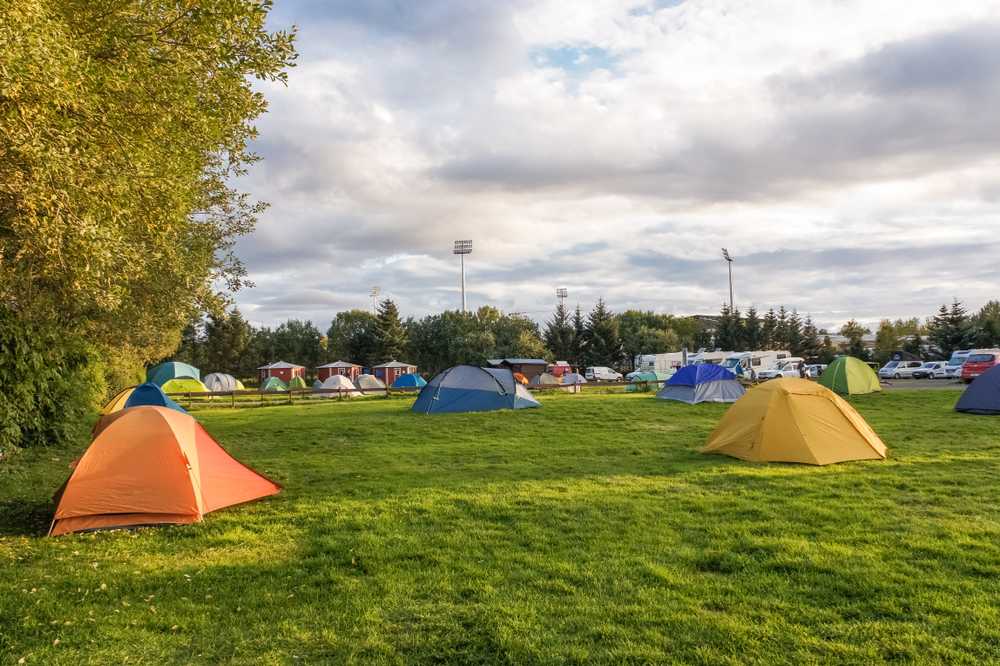
You can see a list of campgrounds on tjalda.is, but if you want to find out which ones accept pre-booking, you will find them in the Parka app.
To ensure you get a space at a campground, we recommend:
- Arriving before 5 or 6 pm when possible
- Pre-book campsites in high-traffic areas if available, especially on weekends
- The first weekend in August fills extremely fast
- The Reykjavík campground is often full
- Consider the camping card if you’ll be using the included campgrounds
- Never camp outside designated areas (wild camping is prohibited in a campervan)
Safe Driving Habits Every Visitor Should Know
Whether you’re renting a campervan or a regular car, driving in Iceland requires safe driving habits. While it’s generally easy to drive in Iceland, there are a few safety tips to remember:
- Respect the speed limits
- Slow down on gravel roads
- Watch for single-lane bridges
- Be cautious in rural areas where sheep are by the roadside
- Never stop in the middle of the road for photos; only use designated pull-offs
- Get a 4x4 if you want to drive in the Highlands, but be aware of rough terrain and river crossings
Distances in Iceland may look short, but when you factor in the road conditions, weather, sheep in the road, and wanting to stop every five minutes, drives will take longer. Slow your pace and plan for fewer kilometers per day to give you plenty of time to explore.
Is Traveling Iceland by Campervan in August Worth It?
Few experiences in life can beat waking up in your campervan with a glacier view, sipping your morning coffee while sheep graze nearby, and getting ready to experience everything Iceland offers. Not only will you get the flexibility of seeing what you want, spending as much time as you’d like, and adjusting your plans as you wish, but you will also enjoy significant daylight hours and better weather than many other times of the year. August may still be peak tourist season, but crowds will start to thin toward the end of the month as well.
Renting a campervan in Iceland and touring the country in August is a genuinely great choice. With summer festivals and plenty of locals to mingle with at the campgrounds, this month gives you a more immersive experience.