Are you considering a visit to the Land of Fire and Ice but don’t have anyone to go with you? Don’t worry! Solo travel in Iceland is one of the safest choices you can make, and it’s easy to travel the country on your own. Traveling alone in Iceland gives you complete control over your itinerary without worrying about meeting someone else’s needs or requests.
As you plan your solo trip to Iceland, this guide will help you plan your itinerary and make the best choices for the vacation of a lifetime, whether you’re interested in solo female travel or you are a male.
Why Choose Solo Travel in Iceland?
As you make your list of places to visit by yourself, Iceland is one of those destinations that should be at the top of the list. Whether it’s your first time traveling alone or you’re an experienced solo traveler, Iceland makes it easy to get around and see everything you want without having anyone else along for the ride.
The Appeal of Traveling Alone in the Land of Fire and Ice
One of the biggest appeals of visiting Iceland is the power of nature. When spending time in nature with just you and the world, you can find peace in solitude. With dramatic landscapes, you’ll find no shortage of places to commune with nature and enjoy the experience.

Iceland is one of the safest destinations for solo travelers, allowing you to travel at your own pace and see whatever you want, pivoting your plans as you prefer. Many visitors find that a trip to Iceland alone offers the perfect opportunity to self-reflect and connect with their inner self.
Pros and Cons of Solo Adventures
The pros of traveling alone:
- Freedom and flexibility
- Deep sense of solitude and connection
- Safety and ease of travel
- Self-discovery opportunities
- Chances to meet other travelers
The cons of traveling by yourself:
- No one to share the costs
- Limited support in emergencies
- Feeling lonely
- Logistical challenges
Overall, it’s up to you to weigh the pros and cons to determine if solo travel in Iceland is the right choice for you.
Is Iceland Safe for Solo Travelers?
The short answer is, yes, Iceland is perfectly safe for solo travelers. The country repeatedly earns high marks in the list of the safest countries to travel, making it the perfect choice for first-time solo travelers, as well as experienced individuals.

Safety Overview and Crime Rates
Overall, Iceland has a strong safety record with low crime rates compared to many other countries in the world. In fact, a majority of the crimes committed in Iceland are traffic violations. The homicide rate and other major crime rates have risen slightly in recent years, but they are still much lower when compared to other countries.
In general, many of the crimes committed in Iceland are targeted, or among people who know each other. The risk of falling victim to a violent crime as a visitor in Iceland is quite low.
Solo Female Travel in Iceland
Women can sometimes hesitate to travel alone due to the fear of woman-targeted crime. The good news is that the rate of these crimes in Iceland is low. However, it’s still important to take the necessary precautions, such as not walking around alone late at night, watching your drinks in bars, and staying aware of your surroundings.
Safety Tips for Solo Hiking and Road Trips
These solo travel tips in Iceland will keep you safe and ensure you can enjoy your vacation without worrying about anything:
- Check the weather and road conditions before you leave each day.
- Leave your travel plans with someone you trust. You can also file a plan with SafeTravel.is.
- Respect the power of nature, and stay on marked trails.
- Rent a reliable vehicle, and keep your fuel tank full. Don’t let it go below a half tank.
- Dress in layers according to the weather.
- Know your limits. Don’t tackle a more difficult hike than you are capable of doing.
- Don’t stop on the road to take photos. Always find a designated pull-off to use.
- Consider an offline map, and bring a portable battery pack to keep electronics charged.
Getting Around Iceland as a Solo Traveler
One of the most important parts of planning your solo travel in Iceland is how you will get around. As a solo traveler, you have several options to consider.
Renting a Car or Campervan
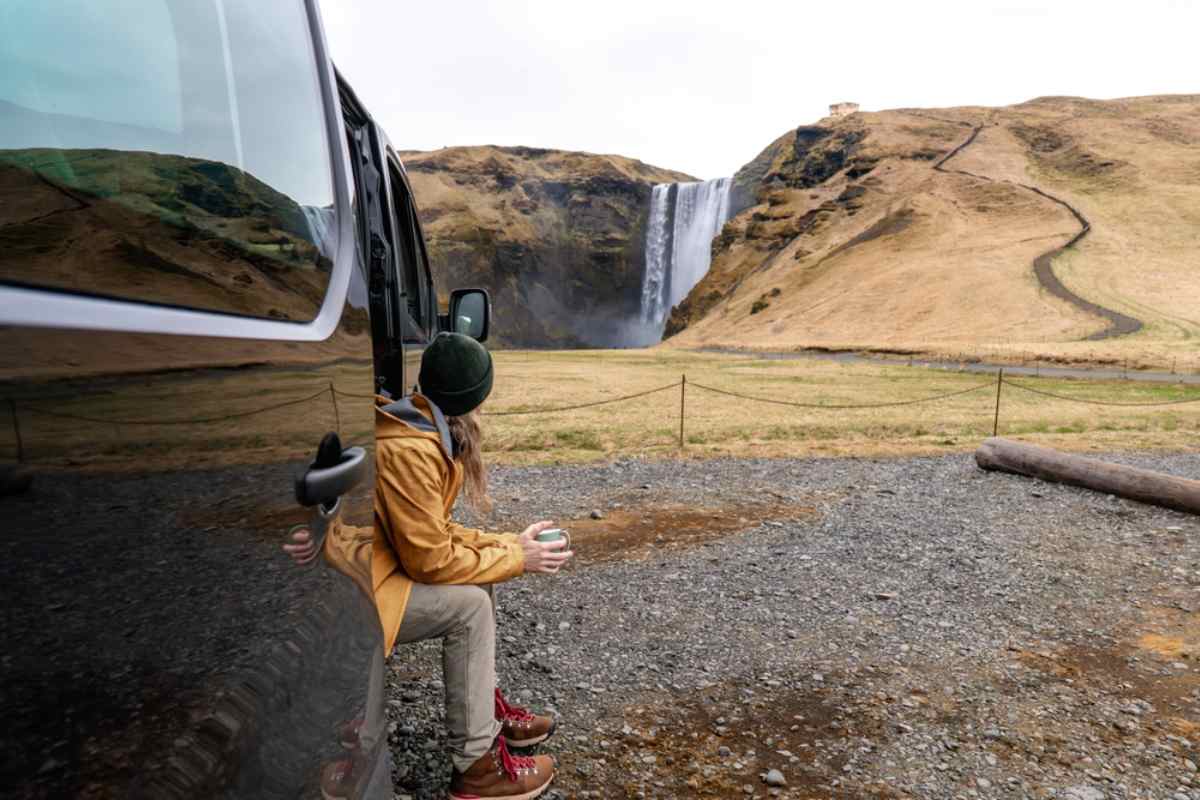
Iceland camper solo travel is a great option because it gives you more flexibility with your travel plans. Campsites don’t generally need to be reserved ahead of time, and they offer plenty of amenities. You can also keep your costs low by combining your vehicle and accommodation costs into one. Campgrounds are significantly cheaper than hotels.
Renting a car or campervan to get around the country allows you to adjust your travel plans according to the weather or your personal preferences. Because you’re traveling alone, you are the sole decider of where you go.
Using Buses and Public Transport
Depending on your itinerary, you may be able to use buses and public transport to get around. These options are best used if you’re planning to mostly stay around Reykjavík or simply want to travel from town to town. Keep in mind that public transport, including buses, doesn’t generally stop at tourist sights.
Joining Guided Tours for Flexibility and Socializing
Not all solo travelers are comfortable driving themselves in a foreign country. Guided tours can be a great option to help you see everything you want to see and more. While you will lose some of the autonomy of solo travel, you will gain the possibility of making friends and socializing along the journey. Many solo travelers combine solo travel and guided tours to get the best of both worlds.
Best Solo Travel Itineraries in Iceland
Planning your Iceland solo travel itinerary is the next step to enjoying the trip of a lifetime. Your exact itinerary will depend on various factors, such as how long you have to spend in the country and what you prefer to see during your trip. The following are some examples of solo travel itineraries:
2-Day Solo Itinerary (Reykjavík + Golden Circle)
Two days may not seem like a lot for solo travel in Iceland, but it can be a great introduction to the country, showing you why you should plan a longer trip. When you only have two days in Iceland, it’s best to spend one day in Reykjavík, visiting the museums, enjoying delicious food, and walking the city streets.
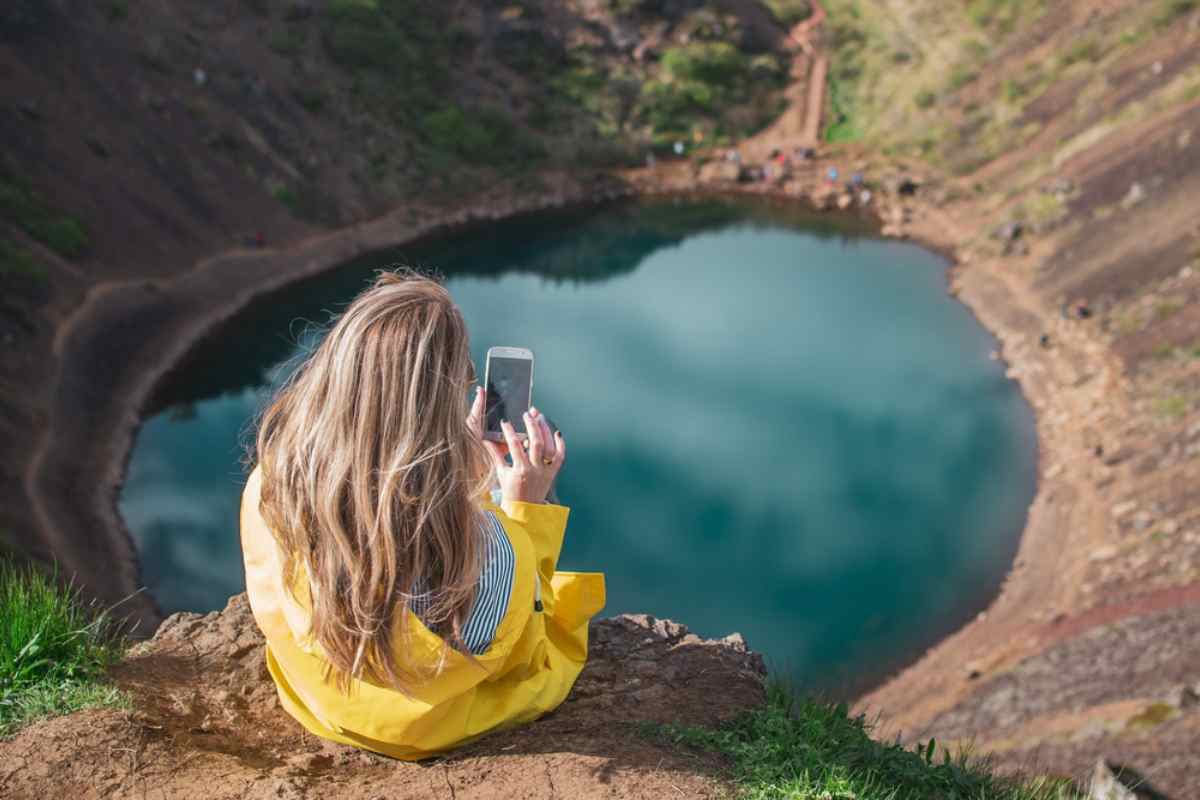
On your second day, a tour of the Golden Circle will give you an overview of what the country offers. This route includes three primary sites: Þingvellir, Geysir, and Gullfoss. There are other stops you can add if you have time, such as Kerið Crater, Brúarfoss, and Efstidalur Dairy Farm.
5-Day Solo Itinerary (South Coast Highlights)
A five-day Iceland solo travel itinerary allows you to expand on the Golden Circle and Reykjavík. With your extra days, you can spend the time on the South Coast, enjoying the many highlights found along the way. Some of the most common stops to add to your South Coast itinerary include:
- Seljalandsfoss
- Skógafoss
- Sólheimajökull Glacier
- Reynisfjara Black Sand Beach
- Fjaðrárgljúfur Canyon
- Skaftafell National Park
- Jökulsárlón Glacier Lagoon & Diamond Beach
With several days, you can easily add additional stops as you go along.
7-Day Solo Itinerary (Ring Road Express Trip)
While more time is always better for the Ring Road, if you have seven days in the summer, you can complete an express Ring Road trip. This itinerary is perfect if you aren’t including your arrival and departure days:
- Reykjavík to the Vík area: Make stops along the way, including Seljalandsfoss, Gljúfrabúi, Skógafoss, and Reynisfjara Black Sand Beach.
- Vík to Höfn: Stop at more iconic South Coast sites like Fjaðrárgljúfur Canyon, Vatnajökull National Park, Svartifoss, Jökulsárlón Glacier Lagoon, and Diamond Beach.
- Höfn to the Eastfjords: The Eastfjords are often overlooked. Consider stops in Djúpivogur, Stöðvarfjörður, and Fáskrúðsfjörður.
- Eastfjords to the Mývatn area: Add stops to your itinerary like Dettifoss, Hverir geothermal area, and Mývatn Earth Baths.
- Akureyri area: Drive to Akureyri, making several stops, including Goðafossand Eyjafjörður. You may want to consider staying further west to shorten the drive for the following day.
- Northwest to the Snæfellsnes Peninsula: Include popular stops around the peninsula, such as Kirkjufell Mountain, Snæfellsjökull National Park, and Búðir Black Church
- Snæfellsnes to Reykjavík: As you complete your Ring road trip, there are several stops to make, including Hraunfossar and Barnafoss, Grábrók Crater, and Deildartunguhver Hot Spring.
This itinerary can be adjusted based on your needs or expanded if you will be spending more time in Iceland.
Top Things to Do Alone in Iceland
Iceland solo travel offers plenty of things you can easily do alone. Here are some of the top things to consider adding to your solo adventure itinerary.
Northern Lights Chasing
You don’t have to take a tour to see the Northern Lights in Iceland. As long as the conditions are right, you can see them anywhere in the country. When you’re visiting alone, you can track the cloud forecast on the Icelandic meteorological website and drive to a location with clear skies on a night with solar activity. However, use caution when driving in an unfamiliar country in the dark.
Hot Springs and Geothermal Pools
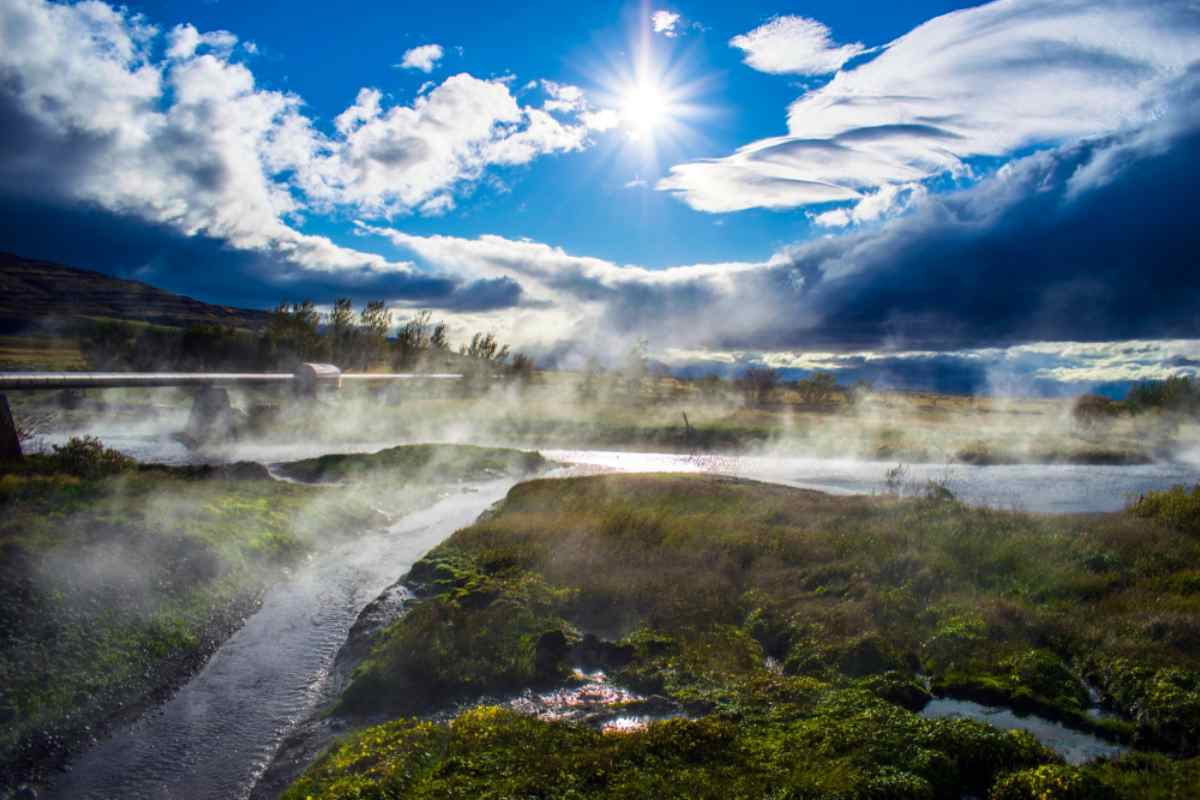
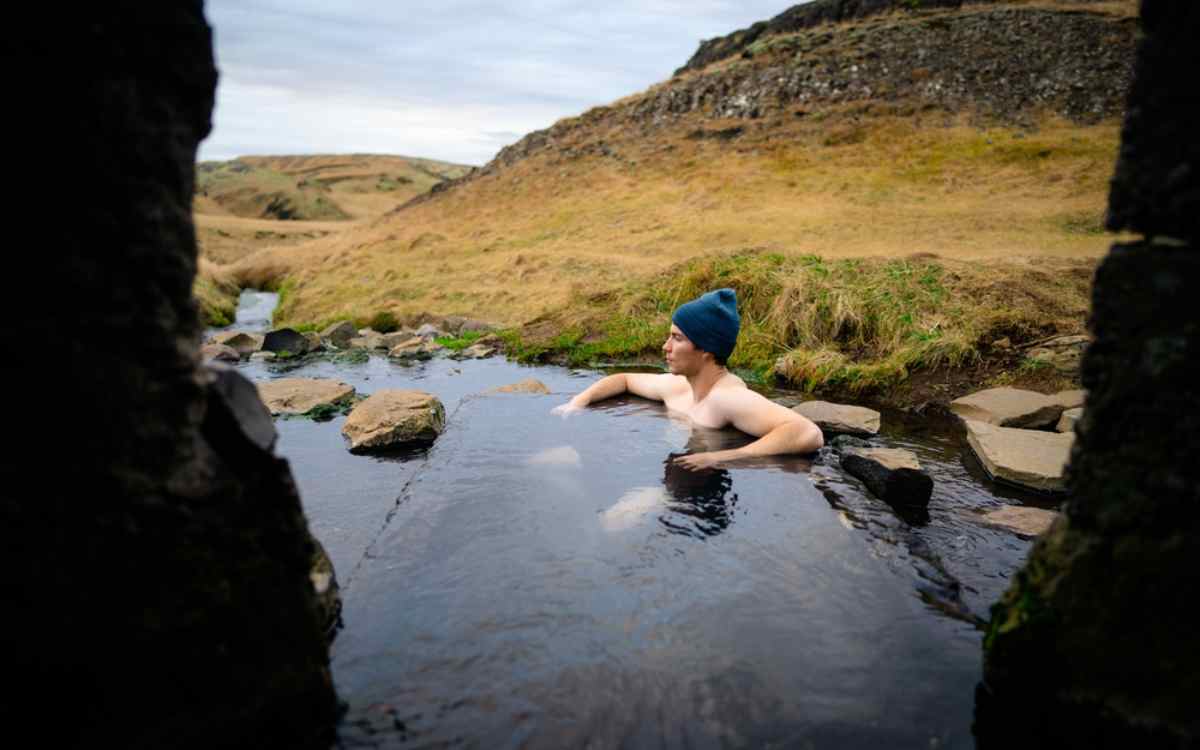
Iceland is known for its many hot springs and geothermal pools, which can easily be visited alone. Whether you book one of the popular tourist lagoons, visit local pools, or seek natural hot springs that are off the beaten path, there’s no shortage of options for relaxing in the therapeutic warm waters.
Hiking and Outdoor Adventures
Another major draw to visiting Iceland is all the hiking opportunities and natural sights. If you love communing with nature and enjoying the peace and solitude, Iceland is one of the best places for it. Know your limitations, and make sure someone always knows where you are going for your safety, and you can get the experience of a lifetime that can change your world.

Cultural and Urban Experiences in Reykjavík
Despite its small size, Reykjavík has a little something for everyone’s interests. Whether you’re interested in the art scene, which includes beautiful street art and several art museums, or prefer to experience the nightlife with bars and clubs, you’ll always find something to do in the city.
Reykjavík is a bustling city with numerous museums, shows, restaurants, bars, clubs, and beautiful architecture. If you want to enjoy the local swimming scene, you can choose between a spa experience at Sky Lagoon or do as the locals do and visit the community pools.
Budgeting for Iceland Solo Travel
Creating your Iceland solo itinerary is just part of the process before you go. You will also need to create a budget to ensure you know how much you can spend on every aspect of your journey. Iceland can be an expensive destination, especially if you don’t have someone to share the costs with, but you can generally find options to fit just about any budget.
Daily Costs and Money-Saving Tips
The daily costs for your trip will depend on your preferences. For instance, you can get accommodations for as low as $30/night, but more expensive hotels could cost closer to $180 or more per night. Food also varies greatly, from $20 per day for self-catering to over $120 for three-course dining.
Daily transportation costs can be between $60 and $150, depending on whether you rent a car or campervan or you book guided tours instead. Most natural sights are free, but you can expect to pay around $8 for parking at many of them. Shows and other attractions can cost $30 to over $100, depending on the activity.
If you’re looking for ways to save money, consider the following solo travel tips:
- Consider camping so you can self-cater and save on your accommodation costs.
- Shop at local grocery stores and prepare your own meals.
- Focus on visiting free attractions.
- Bring along a debit or credit card with no foreign transaction fees. Always choose ISK when given an option to get the best exchange rate.
- Look into the City Pass or other discounts to save money.
- Consider visiting in the shoulder season when prices are lower and crowds are fewer.
- Bring a reusable water bottle. There’s no need to buy bottled water.
Campervan vs. Hotel Stays for Solo Travelers
One of the best ways to save money on your solo trip is to book a campervan and stay at campgrounds instead of renting a regular car and staying in hotels. The cost of hotels can be expensive for a solo traveler. Campgrounds generally charge a per-person fee and are significantly cheaper. While renting a campervan can be slightly more than a regular vehicle, the costs are still typically lower.
If you prefer to stay in accommodations, consider finding hostels instead of traditional hotels. Guesthouses can also sometimes cost less, especially if they have shared bathrooms. Even if you rent a campervan, it can be beneficial to know where to find lower-cost accommodations in case of bad weather.
How to Meet People While Traveling Solo
Just because you’re traveling by yourself doesn’t mean you have to remain alone the entire trip. Many solo travelers enjoy meeting new people, including other travelers and locals. Visiting Iceland alone allows you to get to know other people, but you need to know where to meet them.
Hostels, Campsites, and Social Hubs
Where you stay and go can impact whether you meet people on your solo journey. For instance, hostels and campsites are known for being easier to socialize with other visitors due to the way they are set up. Social hubs like bars and clubs can be other great places to meet people. Anywhere people are likely to gather is a perfect place to strike up conversations with strangers.
Joining Group Tours and Activities
Finding the best tours in Iceland for solo travelers is another way to meet other like-minded people on your journey. Although you may be traveling solo for the solitude, it can be beneficial to mix in some group tours and activities to maintain some socialization. You’ll meet people who are interested in the same things as you and may even make lifelong friends in the process.
Hot Springs and Iceland’s Social Culture
If you’re more interested in meeting and mingling with locals, the hot springs and local pools are your best choices. While locals don’t spend much time visiting the main tourist lagoons, you will always find locals in the community pools and possibly some of the more remote hot springs. These spots act as a gathering place for locals to relax, socialize, and rejuvenate.
Practical Tips for Solo Travelers in Iceland
Iceland solo travel can be a great way to reset and enjoy the solitude of nature. However, as you plan and execute your trip, you’ll need to know how to approach your journey safely and with the highest chance of success. The following tips will help you along your travels.
Essential Apps and Resources
Downloading and bookmarking certain apps and resources will be invaluable as you make your way around the country. Whether you’re tackling the entire Ring Road or focusing on one or two regions, these resources will serve you well:
- Safe Travel: A website/app that provides weather warnings and safety guidance.
- Vedur.is: The most accurate way to keep track of the weather in Iceland. It’s best not to look too far ahead.
- Umferdin.is: A website to track the latest road conditions throughout the country.
- Aurora Forecast: Check the upcoming KP number and cloud coverage map to find a clear spot to catch the Northern Lights.
- 112 Iceland App: An app that connects you to emergency services.
- Easy Park and Parka Apps: Parking apps that are required for parking in the city and at various tourist sights.
- Tjalda.is: A website to help you find campsites throughout the country.
- GSM Bensin: A website to track fuel prices in real-time.
Packing Checklist for Solo Trips
Being prepared is critical for all travelers to Iceland, but even more so for solo travelers. Here’s a start to your solo travel packing list:
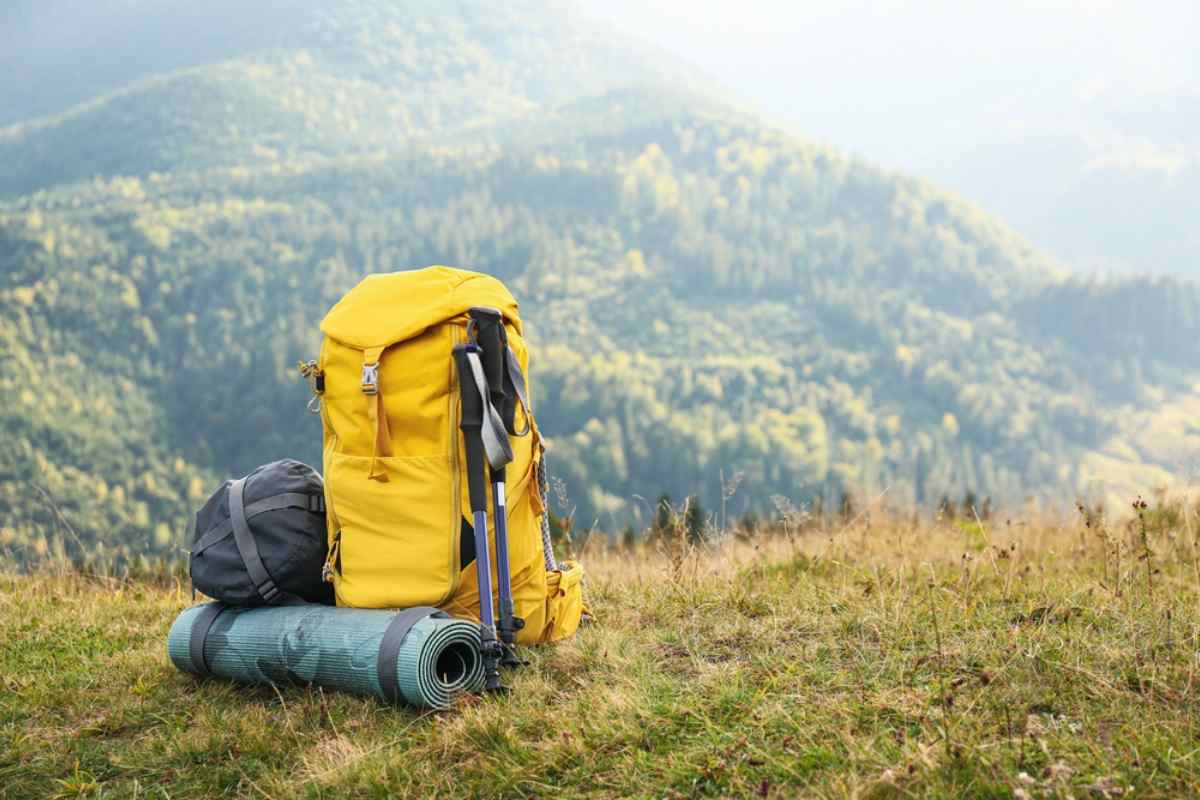
- Warm base layers (merino wool is recommended)
- An insulating middle layer
- Waterproof/windproof outer layer
- Hiking pants or leggings (jeans aren’t a good choice for Iceland)
- Hat, gloves, and scarf (useful all year long)
- Swimsuit
- Quick-dry towel
- Sunglasses
- Buff or neck gaiter
- Hiking boots
- Wool or synthetic socks
- A reusable water bottle
- Portable battery pack
- Hiking poles
- Micro-spikes in the winter
- Headlamp or flashlight (not needed in summer)
- European plug adapter
- Personal medication, including over-the-counter medicine
- A first aid kit
Your final list may vary, depending on your unique needs.
Staying Connected (Wi-Fi, SIM cards, emergency numbers)
As a solo traveler, it’s vital to stay connected in case you experience an emergency. If your cell phone plan doesn’t include international service or it is too costly, consider purchasing a SIM card in Iceland. They are available at the airport. Renting a Wi-Fi box is also possible, allowing you to connect your phone to Wi-Fi everywhere you are.
If you do need emergency assistance, the most important number to know is 112. This number will connect you to all emergency services, including police, ambulance, fire, and search and rescue.
FAQs About Iceland Solo Travel
Below are answers to some of the most frequently asked questions about visiting Iceland solo.
Is Iceland safe to travel alone at night?
In general, Iceland is just as safe at night as it is during the day. However, you should still take reasonable precautions when walking around at night, especially in the city or in dark areas.
What’s the best time of year for solo travel in Iceland?
Any time of year is a good time if you are properly prepared. However, visiting in the summer or the shoulder seasons means a better chance of good weather and more daylight. The shoulder seasons will also have lower costs and fewer crowds.
Can you see the Northern Lights on a solo trip?
Whether you can see the Northern Lights depends on the season. They are not visible in the summer months when there is nearly 24 hours of daylight. If you wish to see the Northern Lights, you should visit between September and April.
Is hitchhiking safe in Iceland?
Yes, overall, hitchhiking in Iceland is safe. However, keep in mind that the roads are narrow and sometimes, there can be minimal traffic. It also isn’t safe in the winter months. It is often better to rent a vehicle or take tours whenever possible.
Final Thoughts: Why Iceland Is Perfect for Solo Travelers
Iceland solo travel is the perfect option due to the country’s safety. Whether you intend to rent a campervan and travel the country or prefer to stay in the city and take tours, there’s plenty to do for those who are traveling alone. You can enjoy the solitude of nature and connect with your inner self or make new friends along the way.
Your solo journey in Iceland awaits!