This guide is for people who prefer figuring things out themselves. If you’ve got a campervan, even better. You’ll see more, spend less, and avoid most of the nonsense that comes with fixed plans and overpriced hotels.
Campervans are hands down the best way to take on Iceland’s Ring Road. You can pull over when something’s worth it, cook your own food, and sleep where it makes sense. If you’re doing it in a car, that’s fine too. You’ll just need to be more organized and book ahead.
What follows is everything you actually need to plan a proper trip. Real drive times. Logical overnight stops. Honest notes on when to go and how much it costs. If you're going to drive the full loop, you may as well do it right and start here.
What is the Ring Road in Iceland?
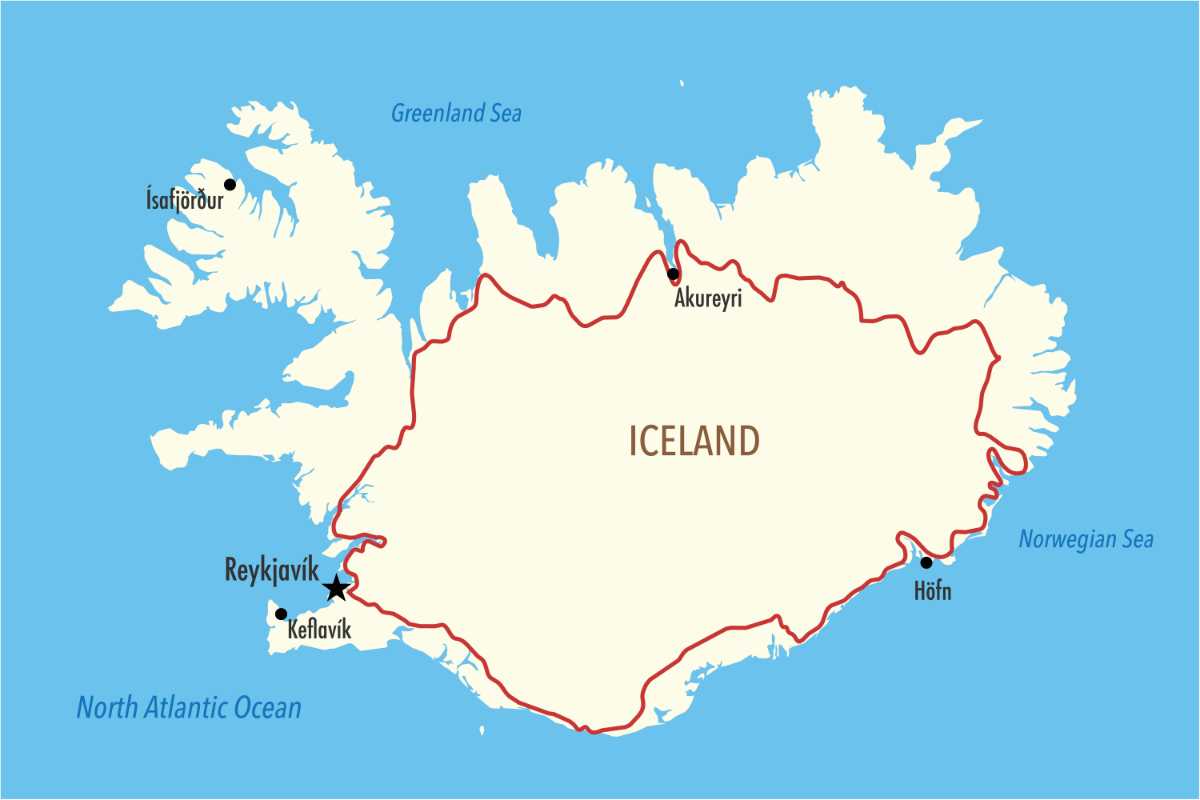
Iceland’s Ring Road is Route 1. Locals call it Hringvegur. It loops around the entire country in one continuous circuit, covering roughly 1,332 kilometers, or about 828 miles. It’s the main artery for life on the island. Everything from fuel trucks to fresh produce to tourists in rental vans ends up on this road.
It connects Reykjavík, Vík, Höfn, Egilsstaðir, Akureyri, Borgarnes, and most of the towns you’ll actually care about. Over 98% of it is paved. The few gravel patches left are short and easy to handle. It’s open year-round unless the weather says otherwise. Some stretches close temporarily in winter, especially in the East and North. Iceland doesn’t do snow days. It does snow weeks.
The road was completed in 1974. Before that, half the country might as well have been on the moon. Route 1 made it possible to get from one side to the other without a plane, a ferry, or a very long detour.
It doesn’t cover everything. You’ll need separate routes for the Westfjords, the Highlands, and the Reykjavík suburbs. Those areas sit outside the loop and require more planning, bigger tires, or lower expectations.
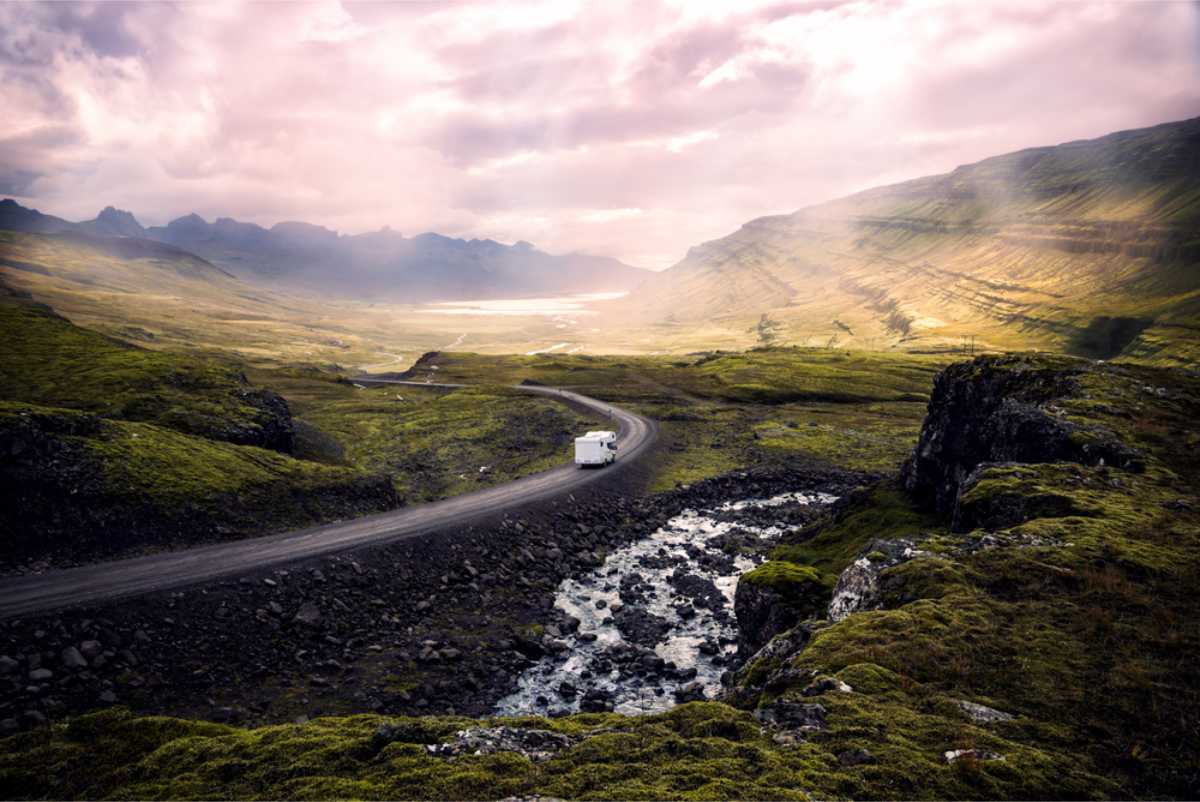
For campervan travelers, Iceland’s Ring Road is built to work. Gas stations, grocery stores, and campsites are all spaced out just enough to make it comfortable. You don’t have to plan every hour. You just have to keep moving. It’s the only road in the country where that actually works.
How Long Does It Take to Drive the Ring Road?
If you’re wondering how long to drive Iceland’s Ring Road, the answer depends on what kind of trip you actually want. In theory, you can drive the entire loop in about 20 to 24 hours without stopping. That’s assuming perfect weather, no traffic, no food, no fuel, and no sleep. In other words, don’t do it.
Realistically, timing comes down to how much driving you’re willing to do per day and how often you want to get out of the vehicle. A 5-day trip is possible, but it’s a slog. Long drive days, rushed stops, and little room for changes. Seven days gives you a bit more breathing room, but it will still feel a bit rushed.
Ten days is the ideal balance for most people. You can see the major sights without having to rush through every campsite dinner. Fourteen days lets you slow things down. You can take detours, stay an extra night when it feels right, and actually enjoy the quieter corners of the island.
There are things that slow everyone down, no matter how tight the schedule looks on paper. One-lane bridges are common. The weather changes fast and often. You’ll stop for more photos than you think. And if you’re in a campervan, every day comes with setup, cooking, cleaning, dumping waste, refilling water, and figuring out where to park next. None of it takes forever, but it all adds up.
The best move is to build in space. Always assume things will take longer than you expect. Never count on arriving late in the day. Iceland isn’t designed for tight schedules. If you treat the Ring Road like a race, you’ll miss half of what makes it worth doing in the first place.

Best Time to Drive the Iceland Ring Road (Summer vs Winter)
Driving Iceland’s Route 1 is a different experience depending on when you go. The road stays the same. Everything else changes. Here’s what to expect from Iceland’s weather:
Summer (May to September)
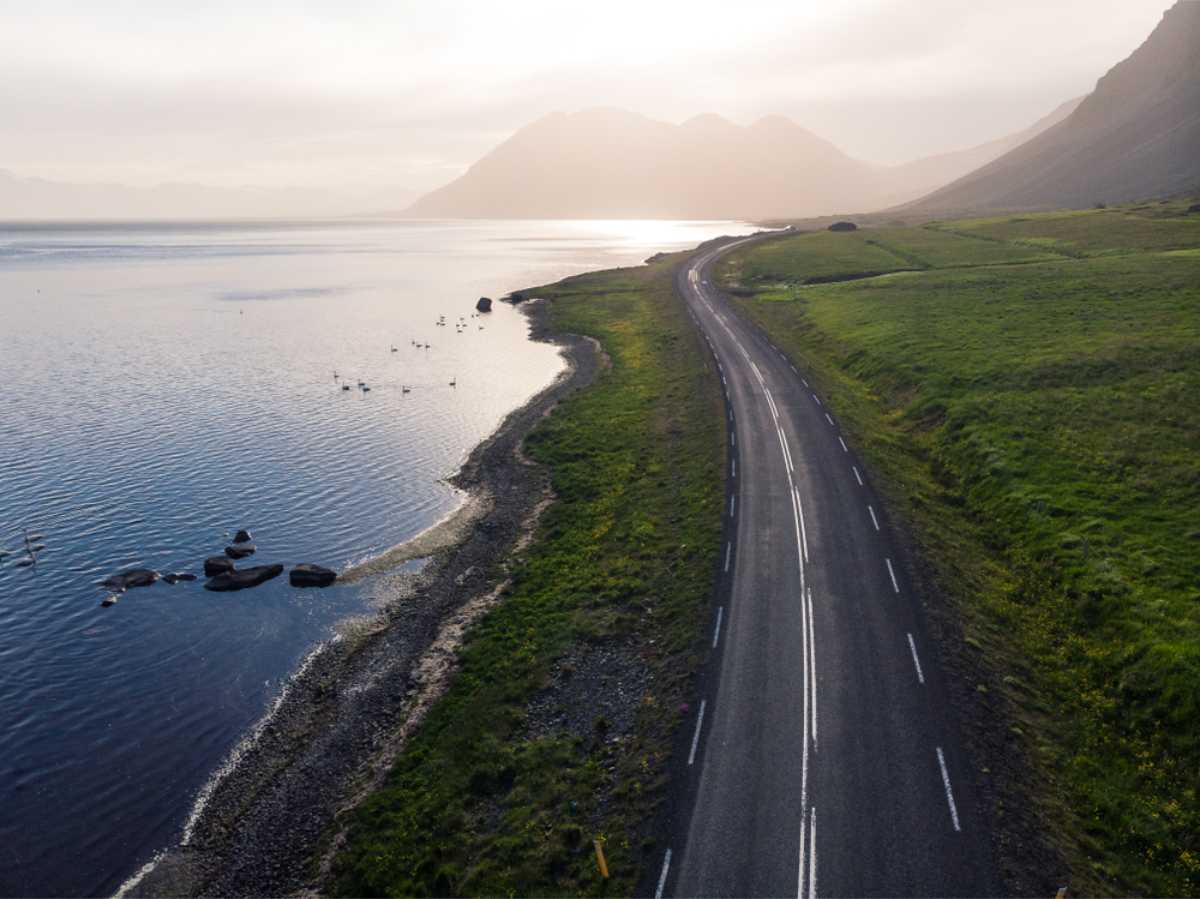
This is the easiest time to drive. Daylight is near constant, especially around the solstice, which gives you as much time as you want for both driving and sightseeing. Road conditions are solid. Most routes are clear, including many of the highland F-roads, though those are outside Iceland's Route 1. Campsites are open and fully staffed. You’ll always find a place to stop, rest, or refuel.
The downside is the crowds. This is peak tourist season. Major stops are packed. Campervan rental prices jump. If you’re coming in summer, book early. Temperatures sit between 10°C and 15°C (50°F to 59°F), with light wind, frequent rain, and the occasional fog.
Winter (October to April)
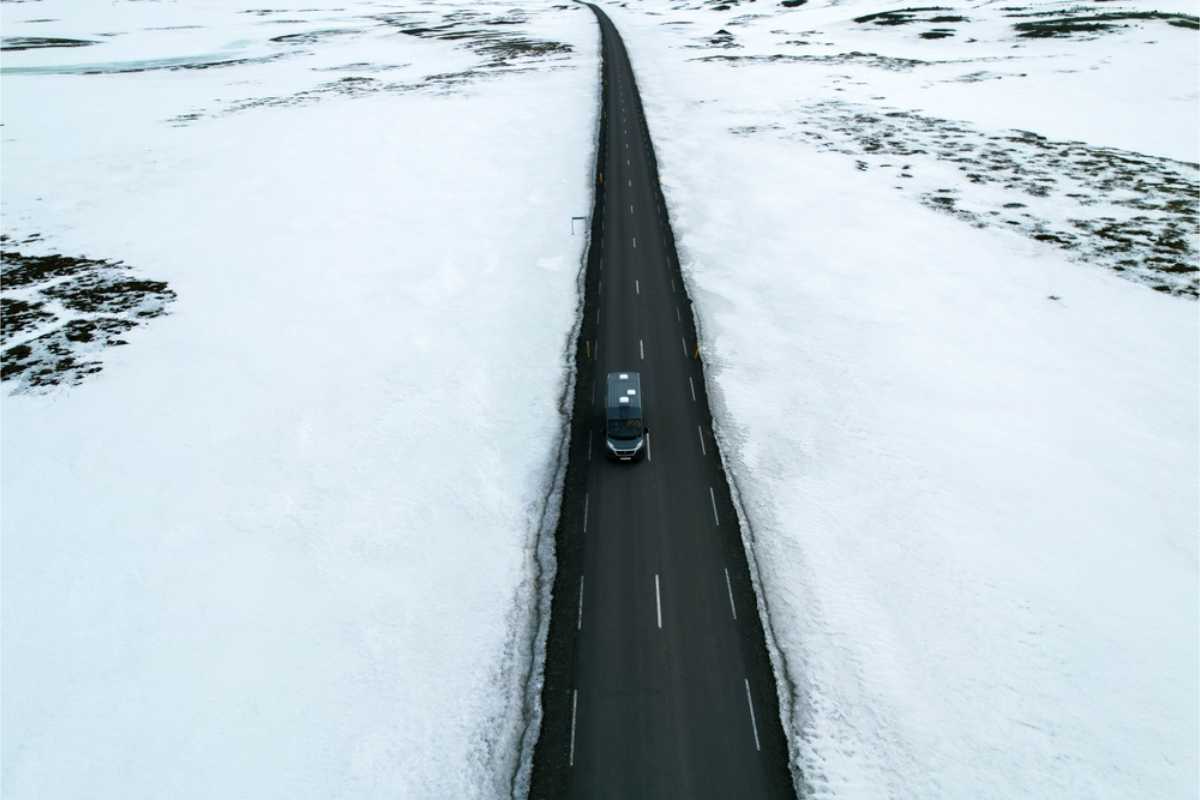
Iceland’s winter is not for first-timers. Daylight drops to four to six hours in the worst months. Snow and ice cover long stretches of road, especially in the East and North. Closures are common. Conditions shift quickly. Wind, snowstorms, and low visibility are regular problems.
We’ve got some of the most extreme weather in Europe, and it comes without much warning. Most campsites are closed or operating with reduced service. You need a plan before you start.
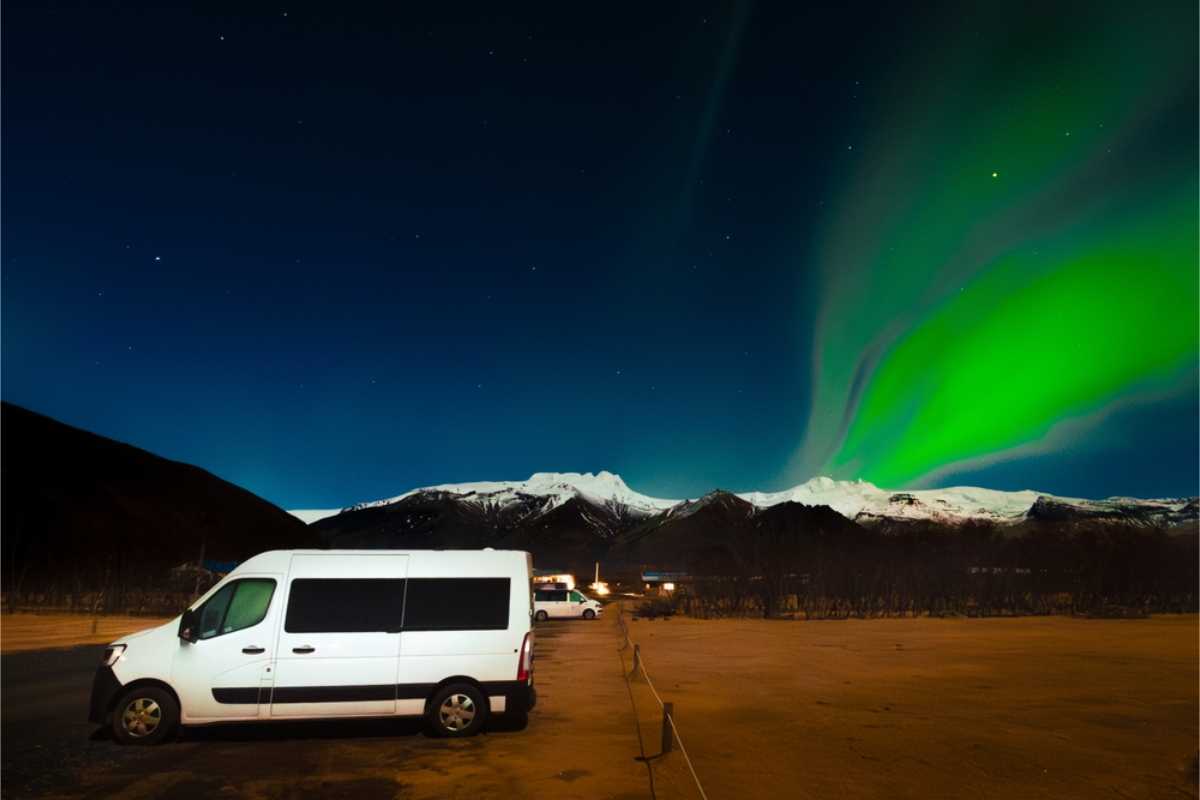
Winter tires and a working heater are essential. Temperatures range from -2°C to 2°C (28°F to 36°F), but wind chill often makes it feel colder. The one advantage is the Northern Lights if the skies stay clear.
Shoulder Seasons (April/May and September/October)
These months are unpredictable. Some days feel like spring. Others feel like early winter. Roads are mostly open but still need caution. Campsites may be open or half-open. Crowds are smaller. Prices drop. The trade-off is flexibility. If you’re experienced and comfortable adjusting your plans, it can be a great time to go.
|
Season |
Daylight Hours |
(°C / °F) |
Road & Camping Conditions |
|
Summer (May-Sep) |
16-24 hrs |
10-15°C / 50–59°F |
Roads fully open. All campsites operational. High traffic. |
|
Winter (Oct-Apr) |
4-7 hrs |
-2-2°C / 28-36°F |
Frequent closures. Limited campsites. Snow, ice, strong wind. |
|
Spring (Apr-May) |
12-18 hrs |
0-10°C / 32-50°F |
Some closures. Mixed road conditions. Fewer campsites open. |
|
Autumn (Sep-Oct) |
10-13 hrs |
2-10°C / 36-50°F |
Roads mostly open. Less crowded. Campsites start closing. |
Ring Road Itinerary Options (5/7/10/14 Days)
Now, for the juicy part. If you plan to rent an RV in Iceland, here’s how to break down the Ring Road by trip length so you don’t waste time or fuel:
5-Day Ring Road Itinerary (For the Rush Crowd)
If you're short on time but still want the full loop, this ring road itinerary for Iceland gives you five fast-paced days. Expect around 20 to 25 hours of total drive time with minimal downtime. Skip the West and move quickly through the North.
Day 1: Reykjavík | Golden Circle | Vík (4.5 hrs)
Start at Thingvellir National Park, Geysir, and Gullfoss Waterfall early. Pass Selfoss and Hella. Stop at Seljalandsfoss or Skógafoss if time allows. Overnight in Vík.
Day 2: Vík | Skaftafell | Jökulsárlón | Höfn (4 hrs)
Pass Reynisfjara black sand beach early if the light’s good. Drive the South Coast, stop at Skaftafell for short hikes. Catch sunset at Jökulsárlón glacier lagoon. Overnight in Höfn.
Day 3: Höfn | East Fjords | Egilsstaðir (3 hrs)
Wind through the fjords with brief stops in Djúpivogur or Breiðdalsvík. Fuel up and rest in Egilsstaðir.
Day 4: Egilsstaðir | Mývatn | Akureyri (3 hrs)
Quick geothermal stops near Mývatn. If the timing works, book an evening whale watching tour from Akureyri. Overnight nearby.
Day 5: Akureyri | Borgarnes | Reykjavík (5 hrs)
Make the long return drive with a final stop in Borgarnes. Return the van before closing. You're done.
7-Day Ring Road Itinerary (Recommended Minimum for Full Loop)
If you want to drive the Ring Road in Iceland without rushing every day, seven days is the minimum that still feels manageable. You’ll be driving about 22 to 26 hours in total time, covering the full loop without skipping the North.
Day 1: Reykjavík | Vík (3 hrs)
Head out early and stop along the South Coast if time allows. Overnight in Vík.
Day 2: Vík | Höfn (4 hrs)
Cover the rest of the South Coast. Short hikes or a glacier tour at Skaftafell are possible if you keep moving. Overnight in Höfn.
Day 3: Höfn | Egilsstaðir (3 hrs)
Follow the East Fjords. Stop in small villages for supplies or a quick walk. Overnight in Egilsstaðir.
Day 4: Egilsstaðir | Mývatn (2.5 hrs)
Cross the northeast and settle near Mývatn. If there’s time, hit the Mývatn Nature Baths or drop into the free hot spring cave at Grjótagjá. Overnight nearby.
Day 5: North Day (+- 2 hrs)
Visit Dettifoss or Húsavík. Whale watching is a good option if the weather allows. Overnight in Akureyri.
Day 6: Akureyri | Borgarnes (4 hrs)
Drive the northwestern section. Take breaks in roadside towns. Overnight in Borgarnes.
Day 7: Borgarnes | Reykjavík (1.5 hrs)
Easy final stretch. Return your van and wrap up the loop.
10-Day Ring Road Itinerary (Balanced, Best for Campervans)
This Icelandic road trip has a few short, optional detours marked along the way. Everything else sticks to the main loop. Expect to drive roughly 26 to 30 hours with extra stops in the East, North, and West.
Day 1: Reykjavík | Golden Circle | Hella (3.5 hrs)
Start with Þingvellir, Geysir, and Gullfoss. Optional stop at the Secret Lagoon in Flúðir. Overnight in Hella.
Day 2: Hella | Vík | Klaustur (2.5 hrs)
Stop at Seljalandsfoss, Skógafoss, and Reynisfjara. Overnight near Klaustur.
Day 3: Klaustur | Skaftafell | Höfn (3-4 hrs)
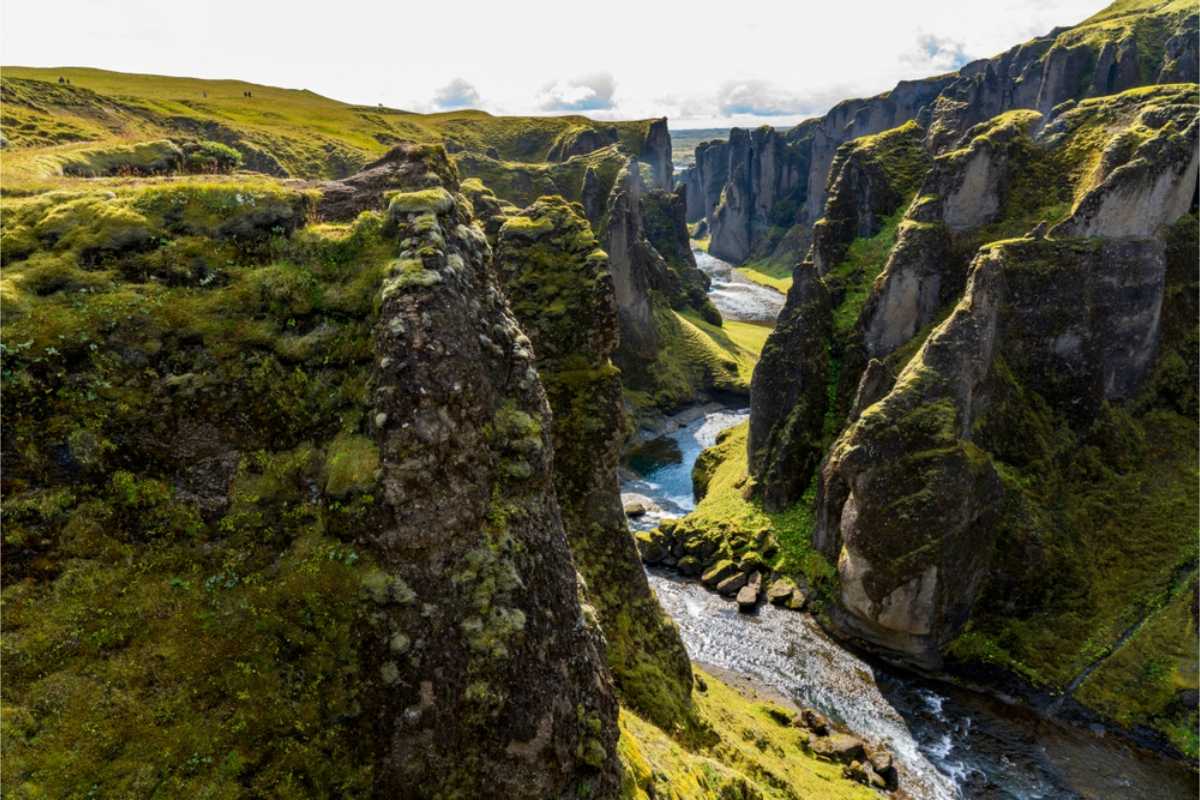
Optional morning detour to Fjaðrárgljúfur. Short hikes at Skaftafell or book a glacier tour. End in Höfn.
Day 4: Höfn | Djúpivogur (3 hrs)
Drive the East Fjords with optional stops at Stokksnes, Hvalnes viewpoint, and Breiðdalsvík. If the Öxi Pass is open, take it for a shortcut with better views. Overnight in Djúpivogur.
Day 5: Djúpivogur | Egilsstaðir (2 hrs)
Stop in Breiðdalsvík or Petra’s Stone Museum. Easy drive. Overnight in Egilsstaðir.
Day 6: Egilsstaðir | Mývatn (4 hrs)
Pass through Möðrudalur or stop at Hrossaborg crater. Overnight near Mývatn.
Day 7: Dettifoss | Húsavík | Akureyri (2 hrs + detours)
Detour to Dettifoss and Ásbyrgi canyon. Book a whale watching tour in Húsavík. Overnight in Akureyri.
Day 8: Akureyri | Hvammstangi (4 hrs)
Visit Goðafoss before heading west. Option to stop at Glaumbær turf farm or Blönduós. Overnight in Hvammstangi.
Day 9: Hvammstangi | Borgarnes (1.5 hrs)
Drive south via Route 1, stopping in Laugarbakki or Grábrók crater. Overnight in Borgarnes.
Day 10: Borgarnes | Reykjavík (1.5 hrs)
Easy morning. Option to stop at Akranes lighthouse or Hvalfjörður tunnel viewpoint. Return the van in Reykjavík.

14-Day Ring Road Itinerary (For Max Stops + Flexibility)
If you're looking for a route that lets you take your time, this 14-day ring road itinerary for Iceland is the one to follow. It sticks to Route 1 with a few short detours worth the fuel. You’ll drive more or less 28 to 32 hours with enough time for unplanned stops.
Day 1: Reykjavík | Selfoss (1.5 hrs)
Grab groceries in Hveragerði or stop at the Reykjadalur hot spring trailhead. Optional detour to the Golden Circle if you’re starting early. Overnight in Selfoss.
Day 2: Selfoss | Vík (2 hrs)
Visit Seljalandsfoss, Gljúfrabúi, and Skógafoss along Route 1. Stop at Reynisfjara if the tide is low. Overnight in Vík.
Day 3: Vík | Skaftafell (2.5 hrs)
Optional detour to Dyrhólaey or Fjaðrárgljúfur canyon. Take your time on the way to Skaftafell. Overnight nearby.
Day 4: Skaftafell | Jökulsárlón | Höfn (3 hrs)
Short hikes in Skaftafell or book a glacier tour. Stop at Jökulsárlón and Diamond Beach before heading east. Overnight in Höfn.
Day 5: Höfn | Djúpivogur (2.5 hrs)
Drive the scenic East Fjords. Optional stop at Stokksnes or Hvalnes for photos. Overnight in Djúpivogur.
Day 6: Djúpivogur | Egilsstaðir (2 hrs)
Break up the drive in Breiðdalsvík or visit Petra’s Stone Collection. Overnight in Egilsstaðir.
Day 7: Egilsstaðir | Seyðisfjörður | Egilsstaðir (2 hrs)
Drive the pass into Seyðisfjörður and walk the harbor, check the Blue Church, or stop at the art center. Hike Vestdalur valley or take a coastal lookout before heading back. Overnight in Egilsstaðir.
Day 8: Egilsstaðir | Mývatn (3 hrs)
Stop at Möðrudalur farm for fuel or food. Optional detour to Hrossaborg crater. Overnight near Mývatn.
Day 9: Mývatn | Húsavík (2 hrs)
See Hverir, Grjótagjá, or Krafla before heading north. Book a whale tour in Húsavík if weather allows. Overnight in town.
Day 10: Húsavík | Akureyri (1.5 hrs)
Stop at Goðafoss on the way into Akureyri. Stock up, rest, or explore the harbor. Overnight in Akureyri.
Day 11: Akureyri | Blönduós (2.5 hrs)
Head west through Skagafjörður. Optional stop at Hofsós pool or Varmahlíð turf house. Overnight in Blönduós.
Day 12: Blönduós | Hvammstangi (1.5 hrs)
Take it slow. Visit the Icelandic Seal Center or Kolugljúfur Canyon. Overnight in Hvammstangi.
Day 13: Hvammstangi | Borgarnes (2 hrs)
Optional detour to Grábrók crater or Hraunfossar waterfalls before continuing south. Overnight in Borgarnes.
Day 14: Borgarnes | Reykjavík (1.5 hrs)
Wrap it up with a stop in Akranes or Hvalfjörður tunnel viewpoint. Return the van or stay one last night in the city.
Best Stops on the Iceland Ring Road (South, East, North, West)
Now that you have your game plan ready for Iceland’s ring road, let’s take a closer look at each of the stops we covered:
South Iceland Highlights
This is where most people begin their trip, and for good reason. South Iceland packs more sights into a few hundred kilometers than any other stretch of the Ring Road. If you're looking for the best stops in Iceland along the ring road, this region delivers early and often.
Reykjavík is the launch point, not part of the Ring Road, but a logical start. Hveragerði and Selfoss are useful for groceries, gas, or lunch before you get into the real scenery.
If you’re doing a pre-loop detour, the Golden Circle offers three must-visit stops: Thingvellir National Park, Geysir, and Gullfoss. All are paved and well-marked, with easy access for campervans. Expect heavy crowds unless you're there early. Nearby, Flúðir has the Secret Lagoon for a soak, and Friðheimar is known for its tomato soup and greenhouse lunch setup. Skip it if you're short on time.
Back on Route 1, Seljalandsfoss and Gljúfrabúi sit just off the road. Parking fills fast. The walk to Gljúfrabúi is wet, but worth it. Skógafoss is next, with excellent campervan parking and easy photo access.
Dyrhólaey is a detour but gets you views and puffins in season. Reynisfjara is more accessible, just west of Vík. The beach is stunning but comes with strong warnings. Watch for sneaker waves and read the signs.
Vík itself is functional: fuel, overpriced food, and a laundromat. Nothing more. Head east.
Fjaðrárgljúfur Canyon is a 10-15 minute detour with a fragile walking path and regular closures. Check before driving in. Kirkjubæjarklaustur (Klaustur) is a decent overnight stop with fuel and a couple of campgrounds.
Skaftafell has paved access, marked hikes, and glacier tours. Camper-friendly if you arrive early. Jökulsárlón and Diamond Beach are right on Route 1 and absolutely worth the stop. Just expect to share them with dozens of vans and drones.
Höfn is your exit point from the south. Stock up on supplies here. The next stretch gets quiet from here.
East Iceland Highlights
East Iceland is where your Icelandic road trip starts to feel quieter. Fewer vans, more reindeer, and long coastal roads with fewer gas stations. This stretch is all about space and views, with a few worthwhile stops that break the silence without trying too hard.
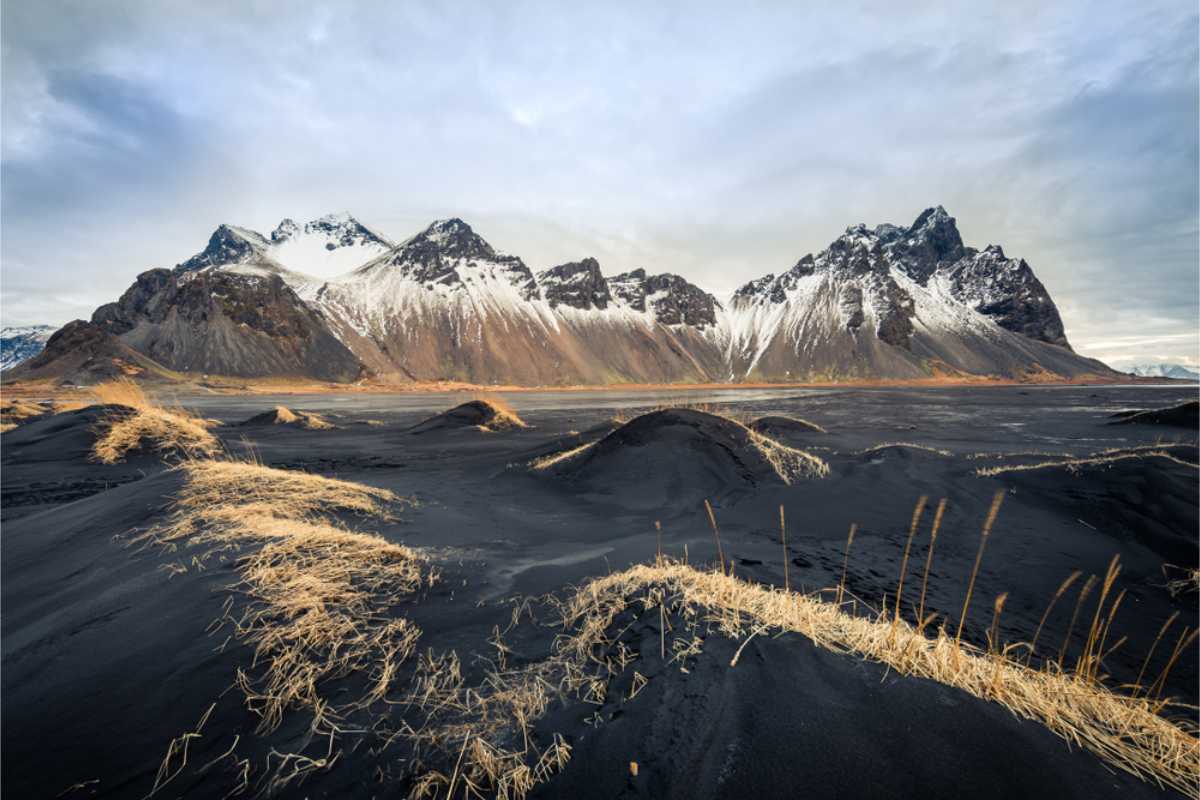
Stokksnes is a detour just past Höfn. It’s a paid stop, often windy, and popular with photographers. If the light’s right, go. If not, skip it.
Hvalnes viewpoint is a quick pull-off with a black sand beach and strong winds. Worth a stretch, just don’t linger too long.
Djúpivogur has a calm harbor, a sculpture trail, and just enough shops to restock snacks or take a proper break. It’s also one of the better spots for a night if you’re not pushing too far.
Breiðdalsvík is blink-and-you-miss-it small, but it has a guesthouse, a campsite, and usually no one in your way.
Petra’s Stone Collection in Stöðvarfjörður is weird, old-school, and absolutely worth 45 minutes if you’re passing by during open hours. If not, keep driving.
Egilsstaðir is the region’s hub, with supermarkets, fuel, a local pool, and solid campsites. This is the last town of size before you turn inland.
From Egilsstaðir, take a short detour over the pass to Seyðisfjörður. The drive is steep but paved. The town is small but scenic, with the Blue Church and a few cafes worth your time.
Heading inland, Möðrudalur sits right on Route 1 and is a good fuel or food stop with a remote vibe. If visibility is good, detour to Hrossaborg crater for a quick viewpoint before heading toward Mývatn.
You’ll pass a lot in East Iceland without needing to stop. But the few places worth it are easy to reach, uncrowded, and made for a slower day.
North Iceland Highlights
This is where Iceland’s Ring Road turns inland, thins out, and starts throwing a few detours at you. You’ll spend more time behind the wheel here, but the stops are spaced just right, and the region delivers more than most expect.
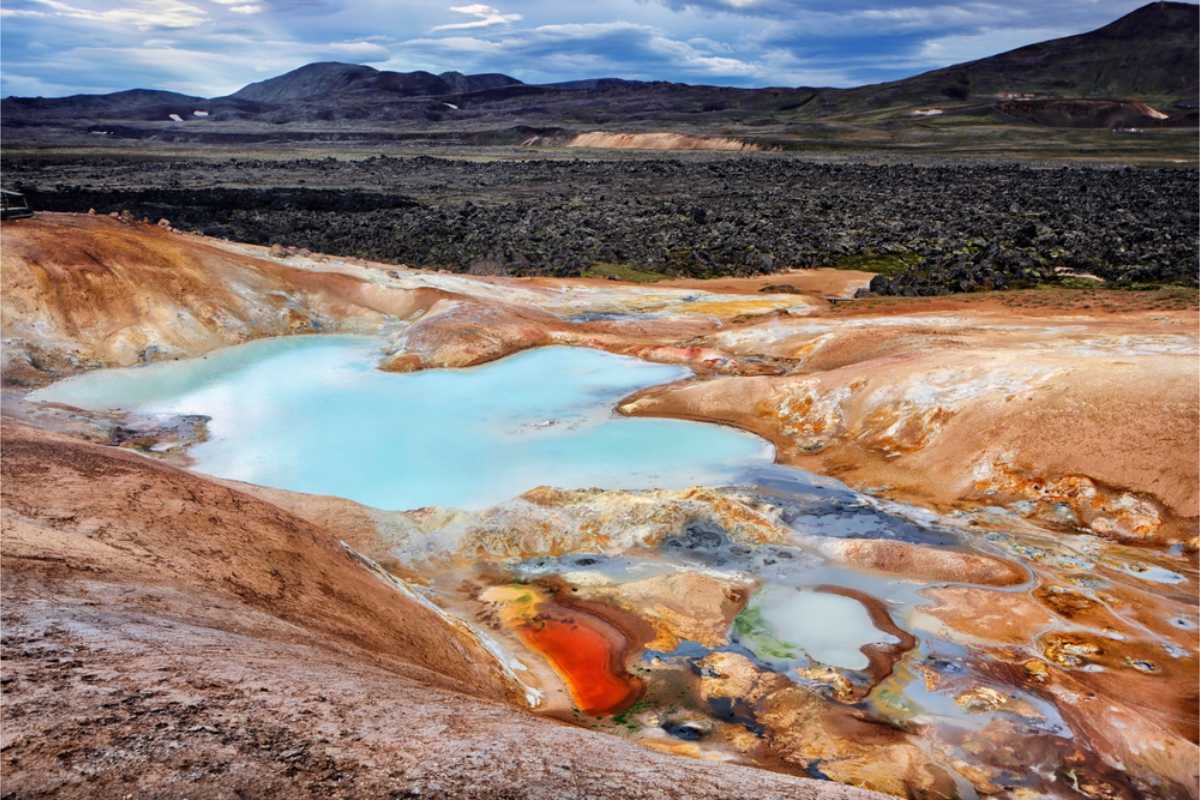
Start with Mývatn, a crater lake area with geothermal chaos in every direction. It’s easy to base yourself here for a night or two. Parking is simple. Most sites are clustered close, and the main campground is walkable to key spots.
Hverir is a quick stop off Route 1. Steam, mud, sulfur. Worth it, but don’t expect to stay long. Grjótagjá cave is nearby, half-buried in lava, and usually empty unless a tour van just pulled in.
Krafla sits just beyond. It's still active and full of short, marked trails. If you're already near Mývatn, it makes sense to stop.
Dettifoss is a detour north off Route 1. You’ll drive gravel. It’s loud, wet, and overrun in peak season. Selfoss is just upriver. See both if you make the drive. If you don’t feel like bouncing around on loose rock for an hour, skip it.
Ásbyrgi is another off-route option. Horseshoe-shaped canyon, quiet roads, and easy hiking. It works if you’re staying in Húsavík or doing the full Diamond Circle loop.
Húsavík has fantastic campervan facilities and multiple whale tour operators. Tours leave from the harbor and usually fill up fast in summer.
Goðafoss is directly on Route 1 with easy parking. You’ll see it from the road. Stop if it’s not raining sideways.
Akureyri is your best shot at real food, fuel, and a proper restock. The city campground fills early. Book ahead if you're landing here late in the day.
Hofsós is a detour west with a good pool and better views. Varmahlíð has a turf house and a decent lunch spot. Blönduós is a rest stop more than a destination. Sleep there or keep moving.
West Iceland Highlights
West Iceland is often rushed at the end of the trip, but it still has some of the best stops in Iceland along the ring road if you don’t blow past them. This section mixes easy roadside stops with a few longer detours worth considering if you have time left in the tank.
Hvammstangi is a decent overnight stop with fuel, groceries, and a good campground. The Icelandic Seal Center is here. Small, but informative if you're curious about the local wildlife or just want an indoor break.
A short drive east brings you to Kolugljúfur Canyon. It’s a rough gravel detour, but not far off Route 1. A quick walk from the parking lot gives you a solid view of waterfalls crashing into the gorge. Worth the stop if you're not already behind schedule.
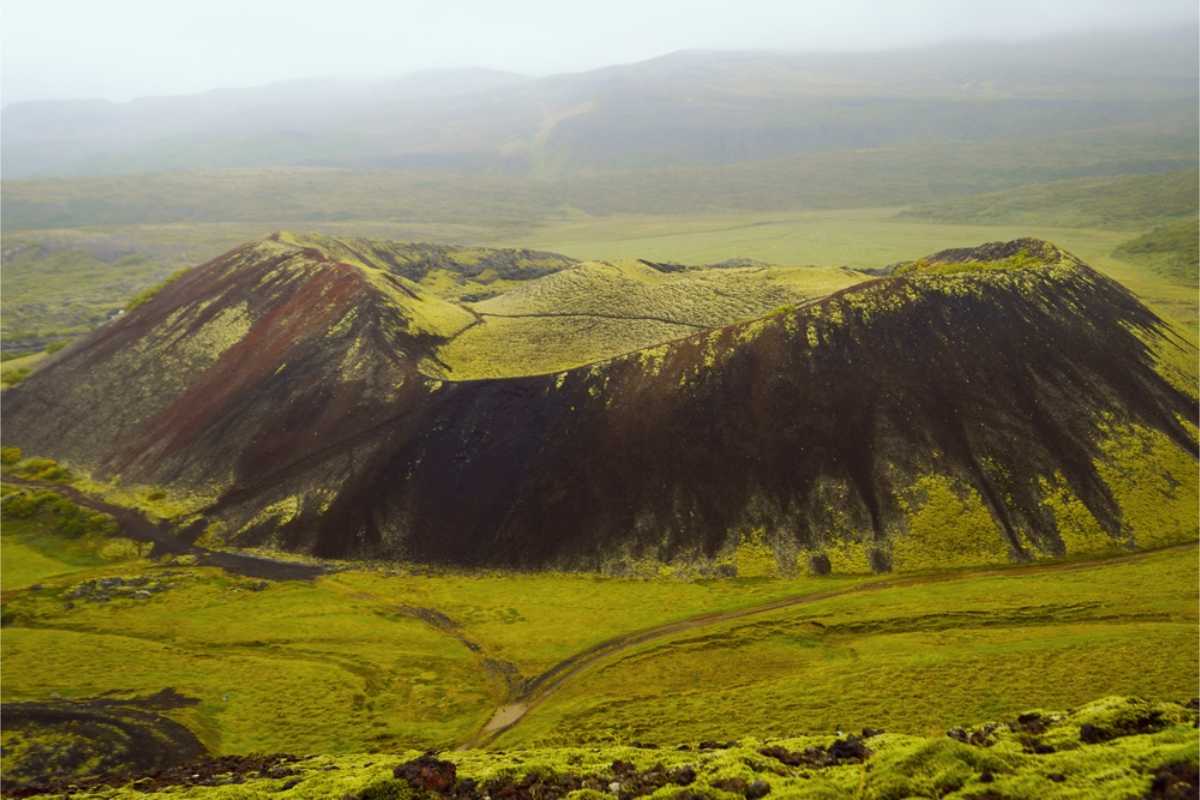
Further south, Grábrók crater is right off the road. The walk up is short, and the view is wide open. Safe bet for a quick break.
Hraunfossar waterfalls are a bit off Route 1, but worth the drive if you’re spending a night in the area. Easy parking, short trails, and low crowds compared to the South.
Borgarnes is mostly functional. Fuel, food, and a Bonus grocery store if you need to restock. Good overnight if you’re timing your return to Reykjavík.
If you're heading back late, Akranes is an optional stop before reentering the city. The lighthouse and coastal view are a good wrap-up if the weather holds. Hvalfjörður tunnel viewpoint is another quick pull-off before you drop under the fjord.
If you’re extending your trip, the Snæfellsnes Peninsula gives you a full mix of lava fields, mountains, cliffs, and beaches. Arnarstapi, Hellnar, Stykkishólmur, Ytri Tunga, Búðir, and Kirkjufell all deliver if you have the extra day or two. Just don't try to cram them into your Ring Road plan unless you cut something else.
Tips for Driving the Ring Road (Safety, Weather, Gas, Food)
Driving Iceland’s Route 1 isn’t difficult, but it’s not casual either. The road is remote in places, the weather can be a bit problematic sometimes, and mistakes are rarely cheap. Here’s what you need to know to stay safe and stay moving.
Wind, Animals, and Road Hazards
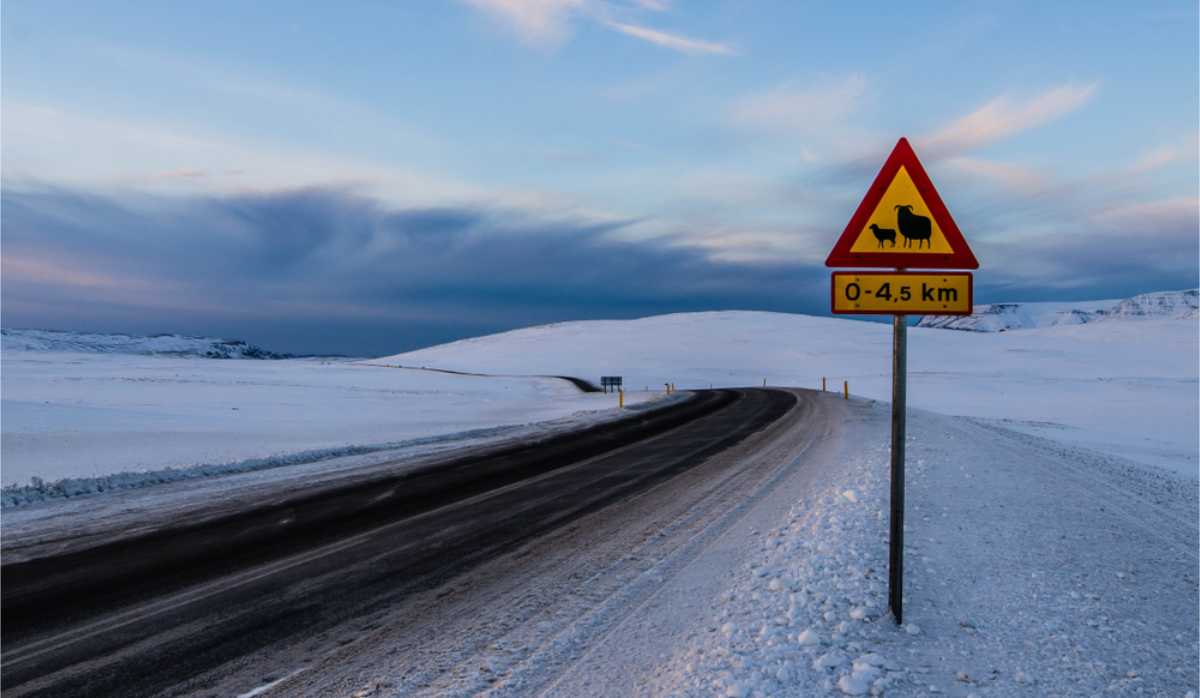
Strong winds are common, especially near mountain passes and coastal stretches. Always park facing into the wind to avoid damaging your doors. Keep both hands on the wheel in exposed areas. Sheep and reindeer can appear suddenly on the road. They don’t move fast, and they don’t care about your van. Slow down.
Single-lane bridges are frequent. The first driver to arrive typically gets the right of way, but always slow down and assess. Use headlights and eye contact to coordinate if needed. Gravel patches and potholes still exist, even on Route 1, so stay alert.
Fuel and Supplies
Gas stations are not everywhere. The East and North have long stretches without one. Fill up whenever your tank drops to half. Most stations accept cards, but keep a backup just in case.
Stock up on groceries at Bónus or Krónan. Outside larger towns, café hours are unreliable and often seasonal.

Weather and Road Conditions
The weather in Iceland flips fast. Sunshine can turn to snow or fog within minutes. Check vedur.is daily for accurate weather forecasts. For road closures and surface conditions, use umferdin.is before starting any drive.
Campervan Etiquette and Tools
Use Parka.is to locate legal campsites. For emergencies, 112 Iceland is the official SOS app. Never park on moss or block views. If a site looks questionable, it probably is. Respect camping rules and avoid fines.
Ring Road Iceland Costs (Campervan, Fuel, Accommodation)
Planning an Iceland road trip cost is straightforward once you break it into pieces. Here’s what to expect when budgeting your drive around the island, especially if you’re camping at the Ring Road in Iceland in a campervan.
Campervan Rental Prices
Campervan costs depend on season, van type, and features. In low season (spring, autumn, winter), basic vans rent from $75 to $125 per day. In summer (June to August), prices rise to $150 to $250 per day for mid-range vans. Larger motorhomes or premium options can top $250 daily. The cheapest vans often lack heating, insulation, or support. Those are deal-breakers if you hit bad weather or need emergency help.
Fuel Costs
As you are aware by now, a full Ring Road loop covers about 1,332 km (828 mi). Depending on your van’s fuel efficiency (around 10 to 15 km/l), expect to burn through 100 to 130 liters. With gas prices in Iceland averaging $2.25 per liter, you’re looking at $225 to $300 for fuel.
Campsite Fees
Most campsites charge $10 to $20 per person or per vehicle per night. Some charge extra for showers or power. For trips longer than 10 days, the Camping Card can save you money. It costs around $187 and covers stays at many official sites. Wild camping is heavily restricted and not worth the risk.
Food and Supplies
Stock up at Bónus or Krónan. Eating out is expensive and hit-or-miss once you leave bigger towns. Cooking your own food in the van is cheaper, easier, and more reliable.
Other Costs
If your rental doesn’t already include extras like gravel protection, sleeping bags, or Wi-Fi, you’ll either end up paying for them at pickup or regretting it halfway around the loop. We keep things simple. You can add anything you’re missing when booking with us.
Need proper insurance?
- Collision and gravel coverage?
- Sand and ash protection?
- Zero-excess plans?
We’ve got all three, and you can bundle them under our Premium or Platinum insurance options.
Want comfort?
Add sleeping bags, linen sets, or towel packs so you don’t have to travel heavy. Grab a table and chairs if you plan to actually enjoy those fjord views outside the van.
Want peace of mind?
We offer extras like GPS, 4G WiFi, child seats, and even a fuel discount chip that gets you better rates at gas stations across Iceland.
FAQs About the Iceland Ring Road
Do you need a 4x4?
No. Iceland’s Route 1 is paved and passable in a standard van. Save the 4x4 for Highlands. Not needed for a regular Ring Road loop.
Is wild camping legal?
Not really. It’s restricted and heavily policed near popular spots. Use official campsites unless you want a fine or a local knocking on your window.
Are campsites open year-round?
Some are, especially near major towns. But many close in winter. Always check ahead if you're traveling October to April.
What’s the best direction to drive?
Clockwise works best. You hit the South Coast early while energy’s high, and finish slower through the quieter North and West.
Is it safe solo?
Yes. Iceland is safe, even alone. Just let someone know your route, especially in winter. Always check road conditions before setting off.
Do I need to book in advance?
In summer, yes. Campgrounds and vans fill up fast. In shoulder season, you’ll have more flexibility, but don’t wing it last minute.
Why Iceland’s Ring Road Is Still the Best Route
Driving Iceland’s Ring Road is still the best way to see the country without missing the good parts. Whether you’re out for five days or stretching it to two weeks, this loop covers it all. With the right pacing, weather tools, and campervan, it’s a trip that just works.
Check out our range of campers and find your perfect match. Big, small, winter-ready or summer-light. We promise you’ll fall in love with any of them. Iceland rewards those who do it their own way. The Ring Road just happens to make that a whole lot easier.